




Open Permits and Unpermitted Work: What Venice and Englewood Sellers Must Clear Before Closing

Luxury Homes By Carol Blog
Can you sell a house in Venice or Englewood with an open permit or unpermitted work? Yes, but an open or expired permit will usually show up in the title search and can hold up your closing until it is resolved or escrowed for.
Here is the situation that catches Venice and Englewood sellers off guard more than almost anything else. You accept a good offer. Inspection goes fine. The appraisal comes in where you hoped. Then the title company runs its municipal lien and permit search, and an email lands in your inbox about a permit from 2019 that was never closed out. Maybe it was a water heater. Maybe it was a lanai cage. Maybe you have no idea what it was, because the previous owner pulled it.
Now you have a buyer whose lender will not fund, a closing date two weeks out, and a county inspector who needs to see work that was finished six years ago. This is fixable. It is almost always fixable. But the sellers who handle it well are the ones who found out before they listed, not the ones who found out eleven days before closing.
This one hits Sarasota and Charlotte County especially hard right now, because of the volume of repair work that happened fast after Hurricane Helene and Hurricane Milton. A lot of roofs, screens, docks, drywall, and electrical panels got fixed in a hurry. Some of that work has paperwork behind it. Some of it does not. If you are thinking about selling in Venice, Englewood, or anywhere along Manasota Key, this is the file you want to open early.
Open permit or unpermitted work? They are two different problems
People use these terms interchangeably. They are not the same thing, and the fix is different for each.
An open or expired permit
An open permit means the county issued a permit, the work may or may not be finished, and the final inspection never got recorded. The permit is technically still alive in the county's system, waiting on something.
An expired permit is an open permit that has gone quiet. Under Florida law, a permit expires if no work starts within 180 days of issuance, or if no approved inspection gets recorded within 180 days of the last one. You can read the actual language in Florida Statutes section 553.79.
The most common reason a permit expires is boring. A contractor finished the work, never called for the final inspection, and moved on to the next job. Nobody was hiding anything. The paperwork just stopped.
Work that never had a permit at all
This is the harder one. Somebody enclosed a lanai, added a bathroom, ran new electrical, replaced a water heater, or rebuilt a dock without pulling a permit. There is no record in the county system because there was never an application.
That sounds like it would be easier, since nothing is flagged. Sometimes it is, for a while. But unpermitted work tends to surface three ways: a buyer's inspector notices that the square footage in the county record does not match what is standing there, an insurance carrier asks for documentation on a roof or an electrical panel, or an appraiser refuses to give value to a room that does not legally exist.
How to check what is on your property in Sarasota and Charlotte County
You do not need to wait for a title company to tell you. Both counties put permit history online and neither one charges you to look.
If your home is in unincorporated Sarasota County, or in Venice, start with the Sarasota County permit search. You can search by address and pull the permit history for the parcel. Note that the City of Venice and the City of Sarasota run their own permitting, so if your property sits inside a city limit, you may need to check that jurisdiction as well as the county.
For Englewood addresses on the Charlotte County side of 34223, and for anything in Port Charlotte, Punta Gorda Isles, or Placida, use the Charlotte County building and permitting resources and its Citizen Access portal. You do not have to register an account just to research.
Englewood 34223 straddles the Sarasota and Charlotte county line, which trips up plenty of owners. If you are not certain which side of the line your parcel falls on, check the county property appraiser record for the parcel before you go hunting for permits in the wrong system.
What you are looking for is any permit with a status other than finaled, closed, or completed. Words like issued, active, expired, void, or pending inspection are the ones to write down.
What Florida law actually says, and why it helps you
Florida made real changes here, and most of them work in a seller's favor.
First, you are not locked into the original contractor. If the company that pulled the permit is out of business, has moved, or simply will not return your calls, you can hire a different licensed contractor to do whatever is needed to satisfy the permit conditions and get it closed.
Second, the local building department may send written notice before a permit expires, generally no less than 30 days out. That does not always reach an owner who has changed addresses or emails, so do not rely on it as your warning system.
Third, and this is the piece that helps your buyer relax, a local enforcement agency may close a permit six years after it was issued when there are no apparent safety hazards. And the law limits what a local agency can do to an arm's length purchaser who buys a property that has an open or expired permit on it. Your buyer is not walking into a fine.
That last point is useful in a negotiation. A buyer who hears "open permit" often imagines a code enforcement nightmare landing on them. Usually the real exposure is the cost of the inspection and any corrective work, not a penalty.
Why an open permit stalls a closing even when the work is fine
The work being good and the file being closed are two separate things, and lenders care about the file.
Most lenders will not fund when an open permit has been flagged unless one of three things happens. The permit gets closed before closing. The title company agrees to insure over it, which is uncommon and sits at an underwriter's discretion. Or money gets held in escrow at closing to cover the resolution.
Insurance is the second pressure point, and in Southwest Florida it is often the bigger one. Carriers want documentation on roofs, electrical panels, and windows. If your roof was replaced after Milton and the permit never closed, your buyer may have trouble binding a policy, and no policy means no loan. That is worth knowing before you are under contract, not after.
The third pressure point is the appraisal. An appraiser is not required to give value to space that the county does not recognize as living area. A 400 square foot enclosed lanai that appears nowhere in the permit record can quietly cost you real money on the appraised value.
Your four options as a seller
Once you know what is open, you have a manageable set of choices. None of them require panic.
1. Close the original permit
This is the cleanest path and it is the most common outcome. Reactivate or reinstate the permit, get the required inspection scheduled, and let the inspector sign off. When the work was done correctly and only the final inspection was skipped, this can take days rather than weeks.
Cost is usually a reinstatement fee plus a contractor's time if anything needs correcting. Start this before you list, and it never touches your transaction.
2. Pull an after the fact permit
For work that was never permitted, you apply retroactively. The county reviews it as if you were building it today, which means the work has to meet current code, not the code from whenever it was done.
Expect after the fact permit fees to run higher than a standard permit, sometimes double, and expect the review to be more involved. On an enclosed lanai or an added bathroom, you may need a licensed contractor or an engineer to document what is behind the drywall. This is the option that takes the most time, so it is the strongest argument for checking your permit history months before you want to list.
3. Sell as is and disclose it in writing
Florida's standard as is contract does not require you to fix the problem. It shifts remediation to the buyer. What it does not do is relieve you of your disclosure obligation. Known unpermitted work and known open permits belong on your Florida Seller's Property Disclosure Statement, plainly stated.
Selling as is works best with a cash buyer, since there is no lender demanding a closed file. In the Venice and Englewood market, where a large share of buyers relocate from out of state and pay cash, this is a more realistic path than it would be in a heavily financed market.
4. Escrow funds at closing
When you are close to the finish line and there is not time to get an inspection scheduled, a holdback can bridge it. An agreed amount stays in escrow, the permit gets closed after closing, and the money releases. Your title company and the buyer's lender both have to agree to the arrangement, so it is not automatic. But it saves deals.
The post hurricane version of this problem
Helene and Milton changed the shape of this issue across Englewood, Manasota Key, and the Venice barrier island. When water is in your house and your roof is open, you hire whoever can start tomorrow. That urgency was the right call at the time. It also produced a lot of work with incomplete paperwork.
The categories worth checking if you had storm repairs done in 2024 or 2025: roof replacement, soffit and fascia, screen enclosures and pool cages, docks and seawalls, electrical panel replacement, HVAC condensers, drywall and insulation replacement above a certain value, and any flooring or cabinetry work tied to a flood claim.
Roofs deserve special attention because insurance depends on them. A buyer's carrier will ask for the roof's age and documentation, and a permit that never closed can read as a roof with no verified installation. That is a hard conversation to have with 10 days left on a contract.
The flood zone wrinkle: the 50 percent rule
If your home sits in a mapped special flood hazard area, and plenty of Englewood, Manasota Key, and South Venice property does, there is a second layer to understand.
Under National Flood Insurance Program rules, a substantial improvement is any reconstruction, rehabilitation, addition, or other improvement where the cost of the work equals or exceeds 50 percent of the structure's market value before the work starts. Substantial damage uses the same 50 percent threshold, measured against the cost of restoring the structure to its condition before the damage. FEMA's Substantial Improvement and Substantial Damage Desk Reference lays out how the determination works.
When work crosses that line, the structure has to be brought into compliance with current floodplain standards, which can mean elevation. Only your local floodplain official can make a substantial improvement or substantial damage determination. Not your contractor, not your appraiser, and not an agent.
Why this matters to a seller: a stack of unpermitted repairs that individually looked small can add up in a way that raises questions about whether the 50 percent threshold was crossed. If you did significant storm repair work in a flood zone without permits, talk to your county floodplain office before you list. Finding out during a transaction is far more expensive than finding out now.
What this does to your price, and how to protect it
An unresolved permit issue does not usually kill a sale outright. It costs you leverage, and leverage is money.
A buyer who learns about an open permit after they are emotionally invested and 20 days into a contract asks for a concession. A buyer who sees a clean permit history in your listing file has nothing to ask about. The difference between those two positions is often several thousand dollars, and it is decided entirely by when the information surfaces.
This is the same logic behind getting a wind mitigation and four point inspection before you list rather than letting the buyer's inspector find things first. Information you deliver is a selling point. Information a buyer discovers is a discount request.
If you want to walk through what your specific property needs before it goes on the market, that is exactly the conversation on our selling page.
A pre listing permit check, step by step
Here is what to do, in order, ideally 60 to 90 days before you want to list.
- Confirm which jurisdiction your parcel sits in. County, city, Sarasota side or Charlotte side.
- Pull your full permit history from the county portal and print it.
- Flag every permit that is not finaled or closed. Write down permit numbers and dates.
- Make a separate list of every improvement you know about that you cannot match to a permit. Include work done by previous owners if you know about it.
- Call the building department about the open items. Ask specifically what is needed to close each one and whether reinstatement or reapplication is required.
- Get a licensed contractor out for anything needing corrective work or an after the fact application.
- Gather your documentation in one folder: closed permits, roof paperwork, wind mitigation report, insurance claim records, contractor invoices.
- Complete your Seller's Property Disclosure Statement honestly against that folder.
Sellers across our service area who do this in advance tend to close on schedule. The ones who skip it are the ones renegotiating in week three.
Frequently asked questions
Does an open permit show up in a title search in Florida?
Open and expired permits typically surface in the municipal lien search that title companies order as part of a residential closing. That is why so many sellers first hear about a decade old permit from their title company rather than from the county. Running your own permit search before you list is the way to avoid that surprise.
Can I be fined for unpermitted work a previous owner did?
Code enforcement exposure generally attaches to the property, so as the current owner you can be the one asked to resolve it even though you did not do the work. Florida law does limit what a local enforcement agency can do to an arm's length purchaser who acquires a property with an open or expired permit already on it. Your county building department is the right place to ask about your specific situation.
How long does it take to close an open permit in Sarasota or Charlotte County?
When the work was done properly and only the final inspection was missed, reinstating the permit and getting an inspection can move in a matter of days to a couple of weeks. An after the fact permit for unpermitted work takes considerably longer, because the county reviews it against current code and may require contractor or engineer documentation. Build in months, not weeks, for that path.
Do I have to disclose unpermitted work if I am selling as is?
Yes. An as is contract addresses who pays to fix things. It does not erase your duty to disclose what you know about the property. Known unpermitted work and known open permits belong on your Florida Seller's Property Disclosure Statement, and leaving them off is the kind of thing that produces a claim after closing.
Will an open permit stop my buyer from getting insurance?
It can, particularly when the permit involves a roof, an electrical panel, or windows. Carriers in Southwest Florida want documentation on those systems, and an unclosed permit can read as undocumented work. Because no policy means no loan, an insurance problem becomes a closing problem quickly. Have your buyer get quotes early rather than late.
Let's get ahead of it
Nobody wants to spend a Saturday on a county permit portal. But an hour of checking now is worth far more than a concession request later, and most of what turns up is small. A water heater final. A screen enclosure inspection. A roof permit that just needed a phone call.
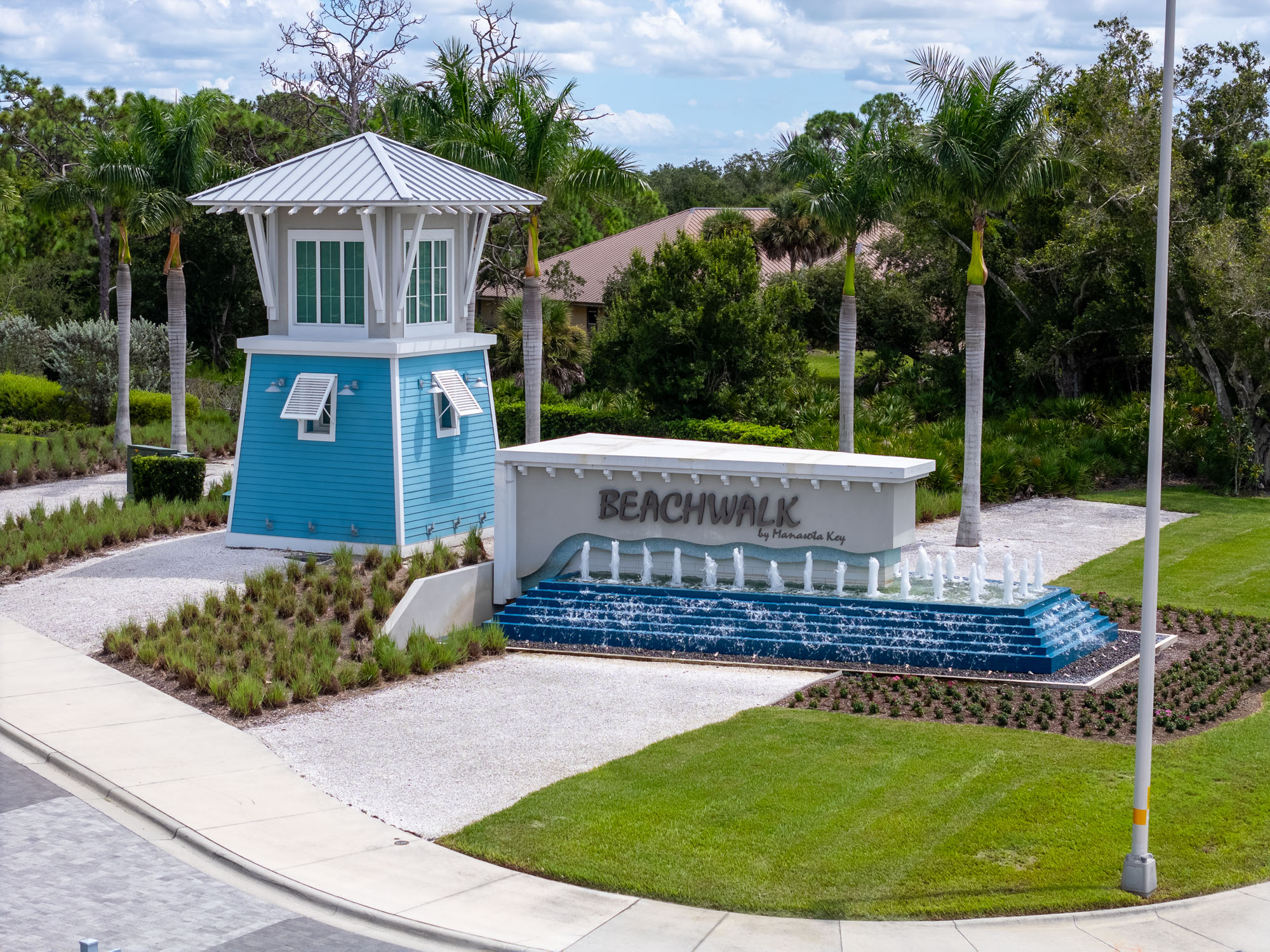
If you are planning to sell in Venice, Englewood, Beachwalk by Manasota Key, Wellen Park, or anywhere in Sarasota or Charlotte County, I will help you pull your permit history and build a plan before your home ever hits the market. Get in touch through the contact form at luxuryhomesbycarol.com/contact and let's look at it together.
Have a great day!
Carol Burdelik
Luxury Realtor • ADTV Host • Coastal Lifestyle Expert
LPT Realty, LLC • Florida License SL3549489
Serving Venice, Englewood, Beachwalk by Manasota Key, Wellen Park, and Sarasota, Charlotte, and Manatee Counties
Carol Burdelik is a licensed Florida real estate Sales Associate, not a CPA, attorney, insurance agent, or building official. Nothing in this post is tax, legal, insurance, or code compliance advice. Permit requirements, fees, and floodplain determinations vary by jurisdiction and by property. Confirm your specific situation with your county building department, your floodplain administrator, and the appropriate licensed professionals.
Communities
Featured Articles
Trending Articles from Southwest Florida’s Top Real Estate Team
Stay updated with our most popular real estate and luxury lifestyle articles.

Client Feedback
Read what previous homeowners have said about working with us.

Let's Connect
Get in Touch
We’re here to assist you with your real estate needs.
Say Hello
Reach out to us anytime.

Office
Luxury Homes by Carol
26040 Seastone Dr.
Englewood, FL 34223

Pushing You Forward
Our Team
Meet the dedicated professionals behind your real estate journey.


@CarolBurdelik on YouTube
Latest Youtube Videos
Get the latest videos by Carol Burdelik on her YouTube channel.
Get Started
Start Your Luxury Property Journey Today
Contact Carol for a personalized consultation and discover your dream waterfront property in Florida.