





Selling a Hurricane-Damaged Home in Venice or Englewood: Repair First, Take the Insurance Money, or Sell As-Is?

Luxury Homes By Carol Blog
Should you repair a storm-damaged home before selling it in Venice or Englewood, Florida? Not always. Many sellers do better selling as-is with full disclosure and a clear plan for the insurance claim, but the right answer depends on your damage estimate, your flood zone, and how fast you need to close.
If your house took water or wind damage from Helene, Milton, or any storm since, you are probably stuck between two bad feelings. One says fix everything so it sells. The other says walk away from the whole mess. Neither one is a plan.
Here is the good news. Storm-damaged homes do sell in Venice, Englewood, and the surrounding Sarasota and Charlotte County communities. Cash buyers, investors, and owner-occupants who want a project all shop this segment. What separates a clean sale from a painful one is the order you do things in. Most of the trouble I see comes from sellers who signed a quick contract before they understood three things: the insurance claim, the permit rules, and what they are required to disclose.
So let's walk through it in the order that protects you. None of this is legal, tax, or insurance advice. It is the sequence I use to help sellers figure out which questions to ask the attorney, the insurance professional, and the building department.
Start with what you actually know about the damage
Before you pick a strategy, get your facts in one place. Sellers who skip this step end up negotiating from guesses, and buyers can smell a guess.
Pull together the following:
- Photos and video of the damage, ideally from right after the storm.
- Your claim number, adjuster notes, and any payment letters from your insurance company.
- Contractor estimates, even rough ones.
- Any permits pulled for repairs, open or closed.
- Your flood zone designation and, if you have one, an elevation certificate.
- Receipts for work already done, including who did it.
Put it all in one folder you can share. A buyer's agent who sees a clean folder tends to price the risk lower than one who sees a shrug. That alone can change your net.
The three paths, and who each one fits
Almost every storm-damaged sale lands in one of three buckets. Here is how I think about them.
Path one: repair first, then list
This works when the damage is limited, the repair is quick, and you have the cash or the insurance payment in hand. Think roof, windows, drywall, flooring, an AC replacement. You finish the work, close out the permits, and list a clean house that can qualify for financing and insurance.
The upside is a wider buyer pool. Financed buyers need a house that an insurance company will write and a lender will approve. A repaired, permitted home gets you there.
The downside is time and carrying costs. You keep paying taxes, insurance, utilities, and lawn care while contractors work. Schedules slip. And if you are managing repairs from out of state, every delay gets more expensive.
Path two: sell as-is, with the damage disclosed
This works when the repair is big, the timeline is unclear, or you simply want out. You price the house for what it is, disclose what you know, and sell to someone who wants to take on the work.
Selling as-is means you are not agreeing to make repairs. It does not mean you can stay quiet about a problem you know about. More on that in a minute.
The upside is speed and certainty. The downside is a smaller buyer pool, because many financed buyers cannot close on a house with unrepaired damage. Expect cash buyers and investors to lead the conversation.
Path three: settle the claim, then decide
Sometimes the smartest first move is to get the claim resolved. If the insurance payment is still pending, selling can get complicated fast, because the money and the damage are now tied to the same house. Once you know what the carrier will pay, your repair-or-sell math gets much clearer.
The tradeoff is time. Claims can take months, and you may not have months. That is a call for you to make with your adjuster or attorney, not something to guess at.
What happens to the insurance claim if you sell?
This is the question that trips up more sellers than any other. If you sell a damaged house while a claim is open, who gets the insurance money?
According to one Florida policyholder law firm's overview, there are generally two options. Either the claim goes with the house, with the buyer taking over the right to the benefits. Or you keep the right to the claim and lower the sale price to reflect the unrepaired damage. The firm also notes that the sale documents should disclose the open claim and the unrepaired damage, and that a line-item repair estimate helps support the price.
Two practical points follow from that.
First, whether a claim can be transferred depends on your policy and your carrier. Do not assume. Ask a Florida real estate attorney and your insurance company before you sign anything, and get the answer in writing.
Second, a buyer who inherits an open claim may have trouble getting new coverage while it is pending. That affects financed buyers most. If your claim stays with you, the contract should say so clearly, along with how the price reflects the damage.
One more tip. Once a buyer starts repairs, the evidence of the original damage disappears. Document everything before closing. If the carrier disputes the cause of the loss, the same firm suggests having a licensed engineer inspect the property before the sale. That is a conversation to have with your attorney.
The FEMA 50% rule, in plain English
If your home is in a mapped flood zone, the 50% rule can decide your whole strategy. It surprises sellers because it can apply even when you plan to sell, not rebuild.
Here is the idea. According to FEMA, a building in a designated floodplain is considered substantially damaged when the cost to repair it reaches 50 percent or more of its market value before the disaster. Local officials make that call, and some communities use a different percentage.
The legal summary from Bradley adds details worth knowing. The comparison uses the market value of the structure, not the land. Counted costs include materials, labor, demolition, and code-compliance work. Planned improvements made alongside the repairs are added to the repair cost. And officials can look back at earlier improvements over a set period.
Why it matters when you are selling
If your home is declared substantially damaged, repairs generally have to bring it into compliance with current floodplain standards. That can mean elevating the structure, using flood-resistant materials, or in some cases rebuilding. That is a very different project than a roof and some drywall.
For a seller, that cuts two ways. If you were planning to repair first, a substantial damage determination can turn a modest repair into a major one. If you were planning to sell as-is, the buyer inherits that reality, and the price needs to reflect it.
Sarasota County's disaster recovery page explains that the county must make substantial damage determinations under federal flood program rules, that owners receive a formal inspection notice, and that substantially damaged structures submit FEMA 50% rule forms during permitting. It also says that if the repair cost comes in under 50 percent, no additional flood-proofing is required at permitting.
Check with the building department that covers your address. Venice has its own building department inside city limits, Sarasota County covers the unincorporated areas, and the Charlotte County side of Englewood answers to Charlotte County. I wrote about how those lines split the 34223 ZIP code in other posts, and you can see the geography on my areas served page.
A note on the old reduced-fee permit windows
If you had repairs in mind and heard about reduced storm permit fees, check the dates. The county's disaster recovery page listed reduced-fee windows for applications tied to Debby, Helene, and Milton, and those windows ran through spring 2025. Do not plan around a discount that has expired. Call the building department and ask what applies today.
Increased Cost of Compliance coverage
FEMA also describes a benefit called Increased Cost of Compliance, or ICC, that can come with a federal flood insurance policy. It can provide up to $30,000 toward elevating, relocating, or demolishing a substantially damaged building. Whether it applies to you depends on your policy and your claim. Ask your insurance agent. I cannot tell you what your policy covers.
What you must disclose, and why silence costs you
This is where well-meaning sellers get hurt. Florida sellers have to disclose known material defects that a buyer cannot easily see. One Florida law firm's FAQ describes it as material defects "which are not known to the buyer" and notes that defects readily observable are treated differently. Hidden storm damage generally falls on the disclose side of that line.
Florida also added a flood-specific rule. Under Florida Statute 689.302, effective October 1, 2024, sellers of residential property must disclose, at or before signing the contract, whether they have filed an insurance claim for flood damage and whether they have received federal assistance for flood damage. Florida Realtors covers the details.
Here is what that means in practice:
- If the house took water, say so. Do not leave a flood claim off the form.
- If you received federal assistance, that is part of the disclosure too.
- If you do not know something, write that you do not know. Do not guess and do not repeat what a neighbor told you.
- Disclose repairs you made, including who did them, and whether they were permitted.
The reason I push this so hard is simple. A buyer who finds out about hidden damage after closing has a lawsuit. A buyer who read about it up front has a price discussion. You want the price discussion.
Watch out for the quick-cash offer
After big storms, investors send letters, knock on doors, and text homeowners. Some are fair buyers who offer a real service. Some are not. The same Florida law firm warns that after Helene, investors targeted flood-damaged areas with quick cash offers, and that those contracts are legally binding and can leave a seller with far less than the home's true value.
Before you sign any investor contract, check these points:
- Assignment clause. Can the buyer assign the contract to someone else? If so, the person at your closing may not be the person who signed.
- Inspection period. How long does the buyer have to back out, and what does it cost them to do it?
- Deposit. Is it real money, and is it refundable?
- Closing date. Does it match your probate, repair, or claim timeline?
- Your price. Does it come from comparable sales, or from a number someone made up?
Have a Florida real estate attorney read the contract before you sign. I say that about every contract, and it matters most here. Cash offers are not bad. Rushed ones are.
How to price a damaged home
Pricing a storm-damaged house is not a normal pricing exercise. A damaged house two streets over rarely makes a perfect comparable, because no two repair scopes match.
The method I use works from the outside in:
- Start with what the house would be worth repaired, using recent sales of comparable homes in similar condition.
- Subtract the realistic cost of repairs, using contractor estimates, not guesses.
- Subtract the cost of time. A buyer who takes on a project wants to be paid for the carrying cost and the risk.
- Check the result against what cash buyers have actually paid for similar projects nearby.
If the numbers surprise you, that is a good thing to learn before the sign goes in the yard. I never quote prices before I have run the comparable sales for the specific address, and anyone who does is guessing.
Who actually buys a damaged house?
Understanding your buyer pool helps you set expectations.
- Cash investors. They move quickly and price in the risk. They also expect a discount.
- Owner-occupants with a renovation plan. They want a project and often have contractors lined up. They may pay more than an investor if the layout and lot are right.
- Builders and land buyers. If the damage is severe, the lot may be worth more than the house. A teardown is a real outcome in some cases.
- Financed buyers. Fewer of them can close on unrepaired damage, because lenders and insurers have requirements. Some renovation loan programs exist, and a lender can tell you whether a specific house qualifies.
Your goal is to match the house to the buyer type most likely to pay a fair price, then market it in a way that reaches them.
What to fix, and what to leave alone
If you decide to sell as-is, you still do not have to do nothing. A few low-cost steps can raise your net and lower your stress.
What generally pays off:
- Drying out and cleaning the house, so buyers can see the real condition instead of a worst-case guess.
- Removing damaged materials that create safety or mold concerns, once you have documented them.
- Temporary protection such as tarping a roof to prevent further damage.
- Closing out open permits from earlier repairs. Title companies and lenders flag them.
- Getting a contractor estimate in writing, so buyers can price the work.
What generally does not pay off:
- Cosmetic upgrades on a house that still needs structural or systems work.
- Starting a large renovation you cannot finish before you need to sell.
- Unpermitted shortcuts. They create a bigger problem than the one they solve.
If you are managing this from out of state
A lot of the owners I work with live in another state. It is manageable, and you do not have to fly in every month.
Keep the utilities on so the house does not grow mold while it sits. Tell your insurance company if the home is vacant, because a standard policy may treat vacancy differently than you expect. Have someone local check the property on a schedule. Use a remote or mail-away closing, which title companies here handle routinely. And pick one person, you or an attorney, to be the single point of contact for contractors, adjusters, and buyers.
A realistic sequence
- Gather your photos, claim paperwork, estimates, permits, and flood zone information.
- Contact the building department that covers your address and ask whether a substantial damage determination applies.
- Talk to your insurance company about the status of your claim and what happens if you sell.
- Speak with a Florida real estate attorney about your contract, your claim, and your disclosures.
- Get a market valuation for the house as-is and as-repaired.
- Choose your path: repair first, sell as-is, or settle the claim first.
- Complete your flood and defect disclosures accurately.
- Review every offer, including cash offers, for assignment clauses and deposits.
- Close, and give your CPA the closing statement for tax purposes.
Frequently asked questions
Can you sell a hurricane-damaged house in Florida as-is?
Yes. Selling as-is means you are not agreeing to make repairs, and many storm-damaged homes sell this way, often to cash buyers or investors. You still have to disclose known material defects that a buyer cannot easily see, and Florida requires flood-related claim and assistance disclosures for residential sellers.
What happens to my insurance claim if I sell the house?
It depends on your policy, your insurance company, and the contract. In general, either the claim goes with the house, or you keep the claim and lower the price for the unrepaired damage. Ask a Florida attorney and your insurer before you sign, and make sure the contract spells out who gets the proceeds.
What is the FEMA 50% rule, and does it affect selling?
It is a flood program rule. In a mapped floodplain, a building is considered substantially damaged when repair costs reach 50 percent or more of its market value before the damage. If that happens, repairs generally must bring the building up to current floodplain standards, which can add major cost. A buyer inherits that reality, so it affects your price.
Should I take a cash offer from an investor after a storm?
Maybe, but slow down first. Review the assignment clause, the deposit, the inspection period, and the closing date, and compare the price to real comparable sales. Have a Florida real estate attorney read the contract before you sign, because these contracts are binding.
Let's talk it through
If you own a storm-damaged home in Venice, Englewood, or anywhere in Sarasota or Charlotte County and you are not sure what comes first, reach out. I can walk you through what the house is realistically worth as-is, what a repaired version might bring, which buyers are likely to be interested, and what your timeline looks like. If you need an attorney, a contractor, or an insurance professional, I will give you several options to choose from.
There is no pressure and no obligation. Most of these conversations start with someone who just wants to know where they stand. Get in touch through the contact page, and you can also read how I approach pricing and preparation on my selling page.
Have a great day!
Carol Burdelik
Luxury Realtor • ADTV Host • Coastal Lifestyle Expert
LPT Realty, LLC • License SL3549489
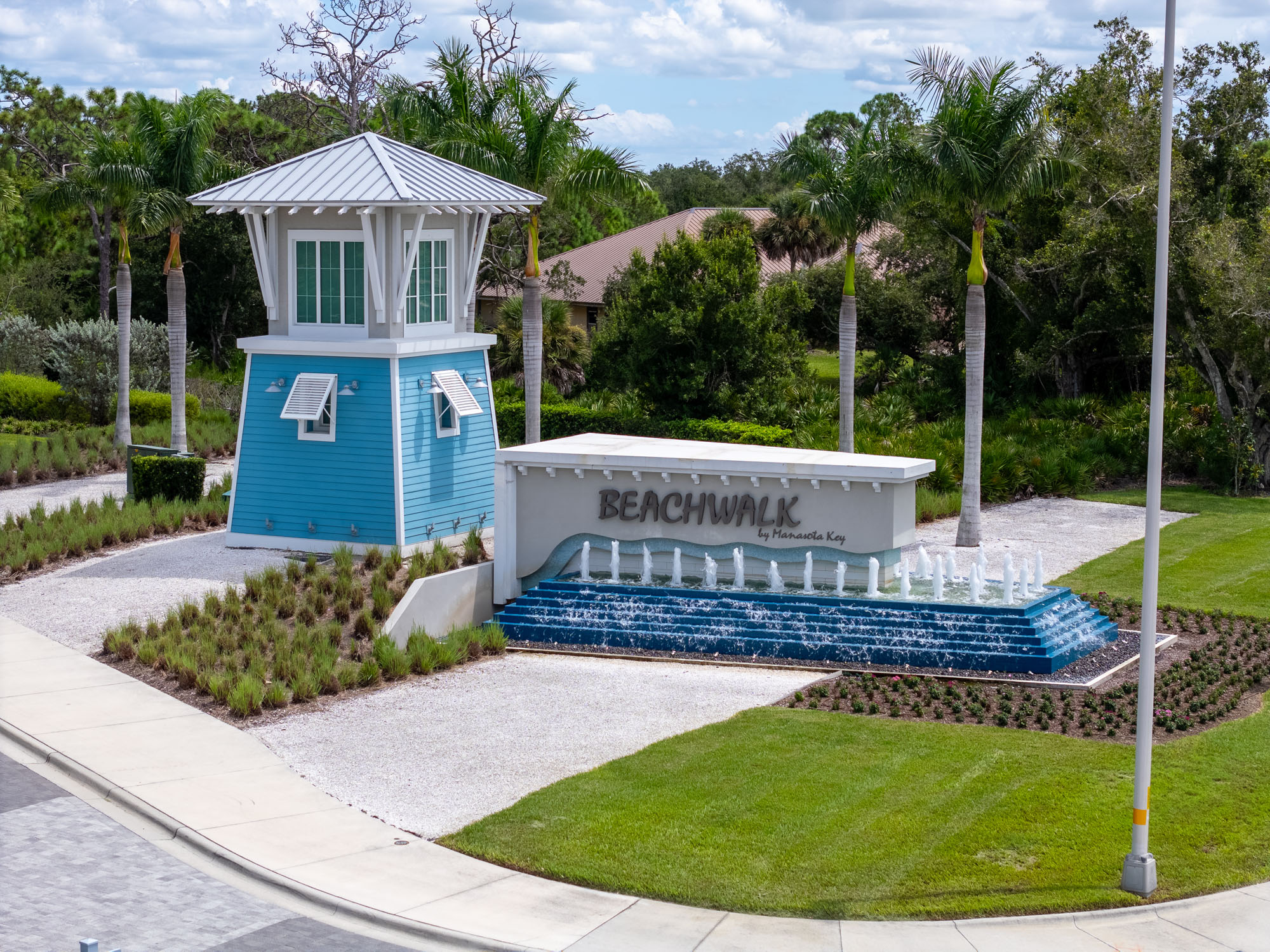
Serving Venice, Englewood, Wellen Park, Beachwalk by Manasota Key, and Sarasota, Manatee, and Charlotte counties
Carol Burdelik is a licensed Florida real estate Sales Associate, not a CPA, attorney, or insurance agent. Nothing in this post is tax, legal, or insurance advice. Storm damage, insurance, permit, and tax outcomes depend on your specific facts. Please consult a qualified professional before acting.
Communities
Featured Articles
Trending Articles from Southwest Florida’s Top Real Estate Team
Stay updated with our most popular real estate and luxury lifestyle articles.

Client Feedback
Read what previous homeowners have said about working with us.

Let's Connect
Get in Touch
We’re here to assist you with your real estate needs.
Say Hello
Reach out to us anytime.

Office
Luxury Homes by Carol
26040 Seastone Dr.
Englewood, FL 34223

Pushing You Forward
Our Team
Meet the dedicated professionals behind your real estate journey.


@CarolBurdelik on YouTube
Latest Youtube Videos
Get the latest videos by Carol Burdelik on her YouTube channel.
Get Started
Start Your Luxury Property Journey Today
Contact Carol for a personalized consultation and discover your dream waterfront property in Florida.