






Should You Get a 4-Point and Wind Mitigation Inspection Before Selling in Venice or Englewood?

Luxury Homes By Carol Blog
Should you get a home inspection, wind mitigation, and 4-point before selling in Venice or Englewood? If your home is older than 20 years or has an older roof, yes, getting the 4-point and wind mitigation reports before you list usually pays for itself in fewer surprises and a smoother closing. Newer homes can often skip the full inspection and keep the wind mitigation report on hand.
Here is the moment that catches Southwest Florida sellers off guard. You accept a good offer. Your buyer orders an inspection, and then their insurance agent asks for a 4-point report and a wind mitigation form. The roof comes back with a note, the electrical panel gets flagged, and suddenly a deal you thought was done is a negotiation again.
None of that is a surprise to your buyer's insurance company. It is a surprise to you because nobody told you those reports were coming. This post walks through what each report is, what it costs you to order one first, and how to decide which ones make sense for your Venice, Englewood, or Wellen Park home.
I will also tell you when I would skip them, because there are homes where ordering everything is just money spent for no benefit. Here is what I would do, based on the age of your home, your roof, and how fast you need to close.
What these three reports actually are
People lump them together as "the inspections," but they answer three different questions. Knowing the difference keeps you from paying for something you do not need.
The general pre-listing home inspection
This is the same kind of whole-house inspection a buyer would order. A licensed inspector walks the property, looks at the structure, roof, plumbing, electrical, HVAC, appliances, and drainage, and writes up what they find. When a seller orders it before listing, it is called a pre-listing inspection.
Redfin's seller guide puts the typical cost for a pre-listing inspection at roughly $300 to $500 for an average home, with higher prices for larger homes and add-ons like termite or sewer checks. You can read the full breakdown in Redfin's explanation of pre-listing inspections. Local pricing varies, so get quotes from a few licensed inspectors before you decide.
The 4-point inspection
The 4-point is narrower, and it is the one Florida insurance companies care about. A licensed inspector looks at four systems: the roof, the electrical system, the plumbing, and the heating and cooling system. The inspector documents the age, type, and condition of each one.
Citizens Property Insurance, the state-backed insurer, requires a 4-point inspection for applications on properties more than 20 years old. You can see how Citizens describes it on its own inspections page. Many private insurers ask for the same report on older homes, so even a buyer who is not going near Citizens will likely need one.
Citizens also says serious hazards, such as exposed wiring or active leaks, should be repaired before an application goes in. That one detail matters a lot for you as the seller, and I will come back to it.
The wind mitigation inspection
This report has nothing to do with whether your house is in good shape. It documents the features of your home that help it stand up to wind. The inspector records things like the shape of your roof, how the roof deck is attached, how the roof connects to the walls, whether you have a secondary water barrier, and whether your windows and doors are protected with impact glass or shutters.
Insurers use that report to decide whether a home qualifies for premium discounts. Florida law requires insurers to account for these features when they set rates, which you can read in Section 627.0629 of the Florida Statutes. I do not quote premiums or promise savings, because that is between your buyer and their insurance agent. What I can tell you is that a clean wind mitigation report gives your buyer something concrete to take to that agent.
Why Florida sellers think about these reports before the buyer does
On the Gulf Coast, a house sale is really two transactions running side by side. One is the contract between you and your buyer. The other is your buyer's search for an insurance policy they can actually get and afford.
If the second one stalls, the first one stalls with it. A lender will not close on a home the buyer cannot insure. So when an insurer says no, or says yes at a number that shocks the buyer, your deal is suddenly in trouble even though nothing is wrong between the two of you.
After the storms of the last few seasons, Venice and Englewood buyers ask about insurance earlier than they used to. Many ask before they ever schedule a showing. Having the reports ready answers the question before it becomes a reason to walk.
You control the timeline when you order first
When the buyer orders the reports, you get the news during the inspection period, which is the worst time to find out. You have a few days to react, the buyer has leverage, and every repair is priced under pressure.
When you order first, you find the same problem on your own schedule. You can get two or three repair quotes, choose the contractor you trust, and decide whether to fix it, credit it, or price around it. That is a very different position to negotiate from.
Disclosure works in your favor here, not against you
Here is the part sellers worry about. If an inspection finds a problem, do you have to disclose it? In Florida, a seller who knows about a defect that materially affects the value of the home, and that a buyer could not easily see, has a duty to disclose it. A report you ordered is proof that you know.
That sounds like a reason not to order one. It is not. You cannot unknow a leak you have noticed, and a buyer's inspector is going to find it anyway. A problem disclosed up front, with a repair quote attached, reads as a known item with a known cost. A problem the buyer discovers on their own reads as something you hid. Buyers forgive the first and walk away from the second.
Talk to your real estate attorney or title company about what your specific situation requires. I am not an attorney, and the rules around disclosure depend on the facts.
When I would order each report
There is no single answer, so here is how I think about it by home type.
Homes older than 20 years
This is where the 4-point matters most. In parts of Englewood 34223, South Venice, Venice Island, and the older neighborhoods around Nokomis and Osprey, plenty of homes were built before the cutoff. Insurers will ask for the report, so ordering it first saves you a week of back-and-forth during your contract.
Pay special attention to the roof, the electrical panel, and any older plumbing. Those are the items that most often turn a clean offer into a negotiation. If the 4-point comes back clean, put that in your listing materials and tell every buyer's agent.
Homes with an older roof
Roof age is the single biggest variable I see. Citizens' public guidance says roofs past certain ages need documentation of remaining useful life, which tells you how seriously insurers take this item. If your roof is near the end of its life, you want a professional opinion before a buyer's insurer gives you one.
I have written separately about whether to replace the roof before selling, which you can find on my blog, and that decision is easier once you have a roofer's honest assessment in hand.
Newer homes in Beachwalk, Wellen Park, and Grand Palm
If you bought new construction in the last several years, your home was likely built to current wind codes and may already have impact windows and a recent roof. In that case, I would skip the full pre-listing inspection and focus on the paperwork.
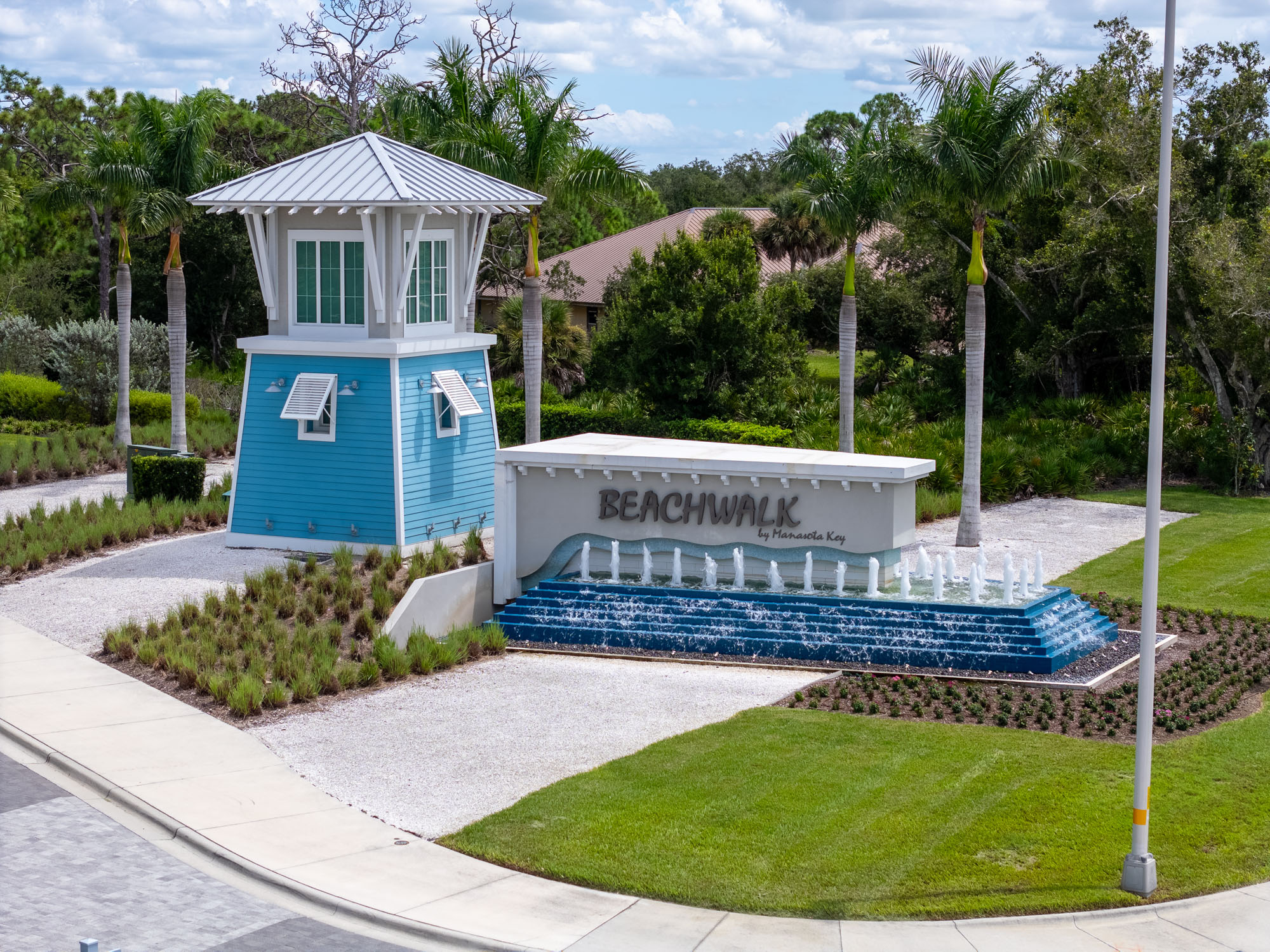
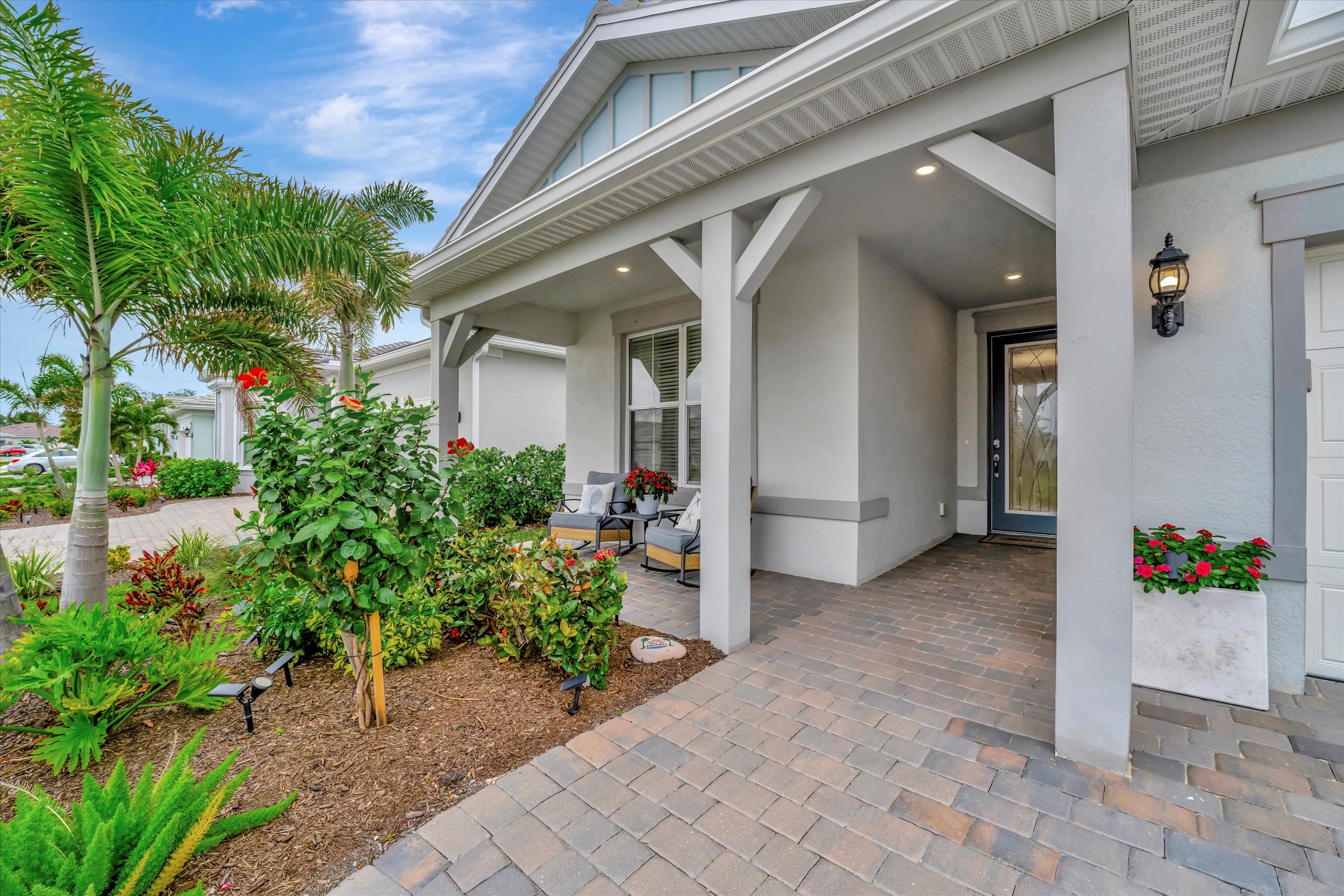
Pull your original wind mitigation report if you have one, along with your builder warranty details and any permits. A home that comes with documentation of its wind-resistant features is easy for a buyer's insurance agent to quote, and that is worth more than a $400 inspection report. Impact windows are a real feature in many Beachwalk homes, and I always list them in my remarks because they matter to insurance conversations.
Homes you are selling as-is or to an investor
If you plan to sell as-is, or you expect cash buyers who will do their own diligence, a full pre-listing inspection may not change much. Cash buyers do not need insurance approval to close. They still ask for the reports, so the 4-point and wind mitigation are cheap and useful even in that case.
The case against ordering a full inspection first
I do not want to oversell this. There are honest reasons some sellers skip the pre-listing inspection, and you should hear them.
Redfin's guide points out that anything the inspection finds must be shared with buyers, and that sellers sometimes fix more than they needed to. Both are real. A report with twenty small items can make a perfectly good home look like a project, and a buyer's inspector will write up their own list regardless.
Buyers also tend to order their own inspection no matter what you hand them. Many agents will tell their client to trust only a report they commissioned. So the pre-listing inspection works best as a planning tool for you, not as a document that replaces the buyer's.
That is exactly why I treat the 4-point and wind mitigation differently from the full inspection. The insurance-driven reports are in a form insurers recognize, they are narrow, and they cost less. The full inspection is optional and depends on how much uncertainty you have about your own house.
What to do once the reports come back
The report is not the finish line. What you do next is where the money is.
Sort the findings into three buckets
Go through every item and put it into one of three groups. First, safety and insurability items, such as active leaks, exposed wiring, or a roof near the end of its life. Second, repairs that are cheap and obvious, like a loose gutter or a cracked outlet cover. Third, cosmetic or minor items that every home has.
Fix the first group before you list, or at least get a written quote. Knock out the second group if the cost is low. Leave the third alone and let the buyer know the home is sold in its current condition.
Get written quotes for anything you will not fix
If you decide not to repair a bigger item, get a quote from a licensed contractor and be ready to share it. A buyer can work with a number. They cannot work with "it might be expensive."
Then you have three options on price. Fix it and list at your full price, credit the buyer the quoted cost at closing, or lower the list price to reflect the work. All three are fine. Pick the one that fits your timeline.
Put the reports in your listing package
When you do have clean reports, use them. Mention the 4-point and wind mitigation in your listing, and have copies ready for any buyer's agent who asks. Buyers who are nervous about insurance will read that as a reason to move forward. That is a marketing job, and it is one of the things I walk sellers through on my selling page.
Five mistakes I see sellers make
1. Waiting for the buyer to order the reports. By then the clock is running and you have no leverage on repairs.
2. Ordering a full inspection and then ignoring it. If you know about a defect and do nothing, you still carry the disclosure duty. Order the report only if you are ready to act on it.
3. Hiring the first inspector who answers. Get at least two or three quotes, make sure each one is licensed in Florida, and ask what the report covers and how fast you get it. I do not recommend a single inspector for any seller, because the right choice depends on your home and your schedule.
4. Assuming a new roof fixes everything. A new roof is great, but if the wiring or plumbing is flagged, the buyer's insurer will still ask questions. Look at all four systems together.
5. Not asking an insurance agent first. A short call to an independent insurance agent will tell you what a buyer's insurer is likely to ask for on a home like yours. I cannot quote you a premium, and neither can anyone else without a real application, but an agent can tell you which reports matter.
Timing: when to order before you list
Give yourself time. Inspectors in Sarasota and Charlotte Counties get busy, especially around the start of snowbird season, and a roofer or electrician can take weeks to schedule after a report comes back. If you want to list in the fall or early winter, start the process in late summer or early fall.
Here is a simple order I would follow for a Venice or Englewood home that is older than 20 years.
- Call an insurance agent to ask which reports a buyer is likely to need.
- Order the 4-point and wind mitigation inspections together, since one visit can often cover both.
- Decide on a full pre-listing inspection based on your comfort level with the home's condition.
- Get repair quotes for anything flagged, then decide to fix, credit, or price around it.
- Build the reports into your listing package before photos go live.
If you are closing on a tight timeline, you can order these reports while the listing is being prepared. The goal is to have them in hand before the first offer comes in, not before the first showing.
A note on Venice, Englewood, and the coast
Housing stock here is a real mix. Along Manasota Key, Venice Island, and older parts of Englewood, you will find homes built decades ago that have been renovated, sometimes more than once. A few miles inland, Wellen Park, Grand Palm, and Sarasota National were built much more recently.
That mix is why one rule does not fit everyone. A seller on Venice Island with a 1980s home and an original roof has a very different list of questions than a seller in Beachwalk with a newer roof and impact windows. I treat them differently, and so should you.
The coastline also means flood zone questions come up alongside wind questions. A wind mitigation report does not address flood risk at all. Flood zone status and flood insurance are a separate conversation, and I always tell buyers and sellers to speak with a licensed insurance agent about both. If you are weighing a move to a different part of the area, my communities overview is a good place to compare property types and amenities.
Frequently asked questions
Do I have to get a 4-point inspection to sell my house in Florida?
No, Florida law does not require a seller to order one. But insurers often require a 4-point report on homes older than 20 years, and Citizens does so for its applications on those properties. Ordering one first helps your buyer secure coverage and keeps your closing on schedule.
What is the difference between a 4-point and a wind mitigation inspection?
A 4-point inspection checks the condition of the roof, electrical, plumbing, and HVAC systems. A wind mitigation inspection documents wind-resistant features such as roof shape, roof attachment, and impact-rated windows. One tells an insurer whether the home is in acceptable shape, the other tells them what features may qualify for discounts.
Do I have to disclose problems that a pre-listing inspection finds?
In general, a Florida seller must disclose known defects that materially affect value and are not easy for a buyer to see. A report you ordered shows you know about the issue. Speak with your attorney or title company about what applies to your home, and consider getting repair quotes so you can present a solution along with the disclosure.
Should I fix everything the inspection finds before I list?
No. Fix safety and insurability items first, handle cheap repairs if they make sense, and leave minor cosmetic items alone. For larger items you will not fix, get a written quote so you can offer a credit or price the home to match.
How long before listing should I order these inspections?
Plan on a few weeks of lead time, longer if repairs are needed. Inspectors and contractors in the Venice and Englewood area book up, especially heading into snowbird season, so starting early gives you room to react.
Let's talk about your house before you list
If you are thinking about selling a Venice, Englewood, or Wellen Park home in the next year, the most useful hour you can spend is one where we walk through your home's age, roof, and paperwork together. I will tell you which reports I would order, which I would skip, and what buyers in your price range are likely to ask for first.
No pressure, and no obligation to list. Reach out through the contact form at luxuryhomesbycarol.com/contact and let's get you a real plan. Let's do it!
Have a great day!
Carol Burdelik
Luxury Realtor • ADTV Host • Coastal Lifestyle Expert
LPT Realty, LLC • Florida License SL3549489
Serving Venice, Englewood, Wellen Park, Beachwalk by Manasota Key, and Sarasota and Charlotte Counties
Carol Burdelik is a licensed Florida real estate Sales Associate, not a CPA, attorney, insurance agent, or home inspector. Nothing in this post is tax, legal, or insurance advice. Insurance requirements and disclosure rules change and vary by company and by property, so confirm the details with your own licensed insurance agent, attorney, or title company before making a decision.
Communities
Featured Articles
Trending Articles from Southwest Florida’s Top Real Estate Team
Stay updated with our most popular real estate and luxury lifestyle articles.

Client Feedback
Read what previous homeowners have said about working with us.

Let's Connect
Get in Touch
We’re here to assist you with your real estate needs.
Say Hello
Reach out to us anytime.

Office
Luxury Homes by Carol
26040 Seastone Dr.
Englewood, FL 34223

Pushing You Forward
Our Team
Meet the dedicated professionals behind your real estate journey.


@CarolBurdelik on YouTube
Latest Youtube Videos
Get the latest videos by Carol Burdelik on her YouTube channel.
Get Started
Start Your Luxury Property Journey Today
Contact Carol for a personalized consultation and discover your dream waterfront property in Florida.