







Buying a Home With an Older Roof in Venice or Englewood? What Insurers and Inspectors Will Ask

Luxury Homes By Carol Blog
Can you still buy a home with an older roof in Venice or Englewood, Florida? Yes, but order a roof inspection inside your inspection period. Florida law limits an insurer's ability to refuse a policy over roof age alone when an inspector finds enough life left.
You found the one. It is a Venice home with a big lanai, a good layout and a price that finally fits your budget. Then you see it in the listing details: roof, original. Or worse, the listing says nothing about the roof at all.
That one line can change your whole purchase. In Southwest Florida, the roof is not just a maintenance item. It decides whether you can get insurance, what that insurance may cost, and sometimes whether your lender will close at all. Buyers who understand that early negotiate from strength. Buyers who learn it in the last week of the contract scramble.
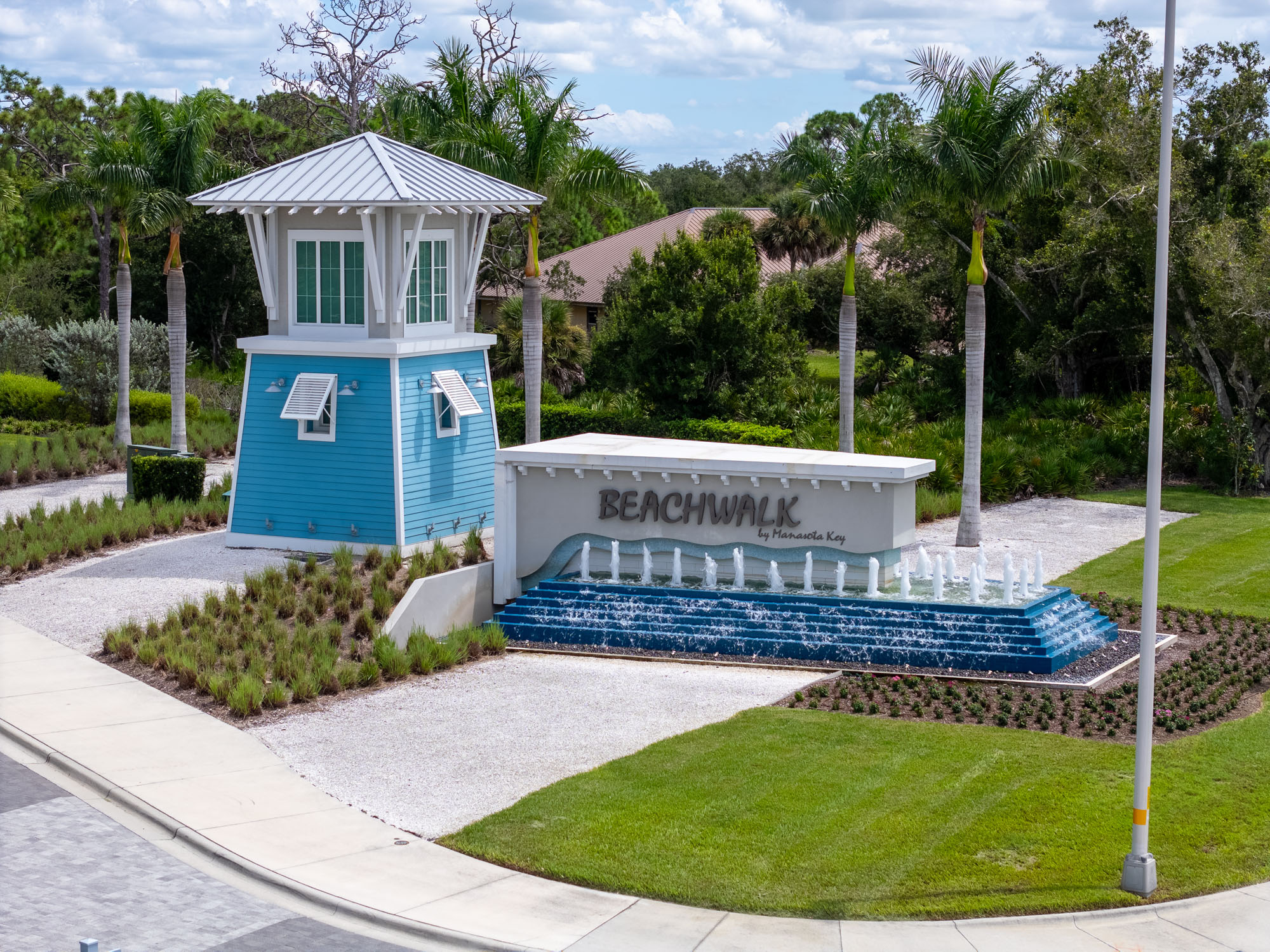
I work with relocation buyers across Venice, Englewood, Wellen Park and Beachwalk by Manasota Key, and the roof conversation comes up constantly. Here is how it works, what Florida law actually says, and what I would do in your shoes before I signed anything.
Why the roof is the first thing insurance asks about in Venice and Englewood
Gulf Coast roofs take a beating. Sun, salt air, summer storms and the occasional hurricane all wear on roofing materials faster than most buyers from up north expect. After Helene and Milton, carriers across the state tightened how they look at older roofs, and that is still the environment you are buying into.
When an insurance company reviews a home, the roof is one of the biggest pieces of the risk picture. They want to know the roof covering, the age, the condition, how the roof deck is attached, and how the roof connects to the walls. A newer roof with strong attachments tells them the house is more likely to hold up in a storm. An aging roof tells them a claim is more likely.
For you as a buyer, that means two things. First, the roof affects your ability to get coverage. Second, it affects what you can ask the seller to do about it. Both are worth sorting out before your inspection period ends.
What Florida's 15-year roof rule actually says
You will hear agents, inspectors and insurance people talk about the "15-year roof rule." People repeat it a lot, and they often repeat it a little wrong. Let's walk through the real language so you know what protection you have and what you do not.
The rule lives in Florida Statute 627.7011, in the section on homeowners policies. Here is the plain-English version.
If the roof is under 15 years old
An insurer may not refuse to issue or renew a homeowner's policy on a roof that is less than 15 years old solely because of the age of the roof. That does not mean they must write your policy. They can still look at the roof material, the overall condition, the age of the home and other factors. It only means age alone cannot be the reason they say no.
If the roof is 15 years old or older
This is the part that matters for most older Venice and Englewood homes. For a roof that is at least 15 years old, the insurer must let the homeowner have a roof inspection done by an authorized inspector, at the homeowner's expense, before requiring that the roof be replaced. And the insurer may not refuse to issue or renew the policy solely because of roof age if that inspection shows the roof has five years or more of useful life remaining.
Read that twice. The question is not how old the roof is. The question is how much useful life an authorized inspector says it has left. A 17-year-old roof in good shape can be insurable. A 12-year-old roof with damage can still cause problems.
What the rule does not do
The statute does not guarantee you a policy. It does not set your price. It does not stop an insurer from asking for repairs, looking at the roof material, or declining a home for other reasons. It also does not replace getting real quotes. Think of the rule as a useful tool in your pocket, not a promise that every older roof will pass.
I am a licensed real estate Sales Associate, not an insurance agent or an attorney, so I cannot interpret the statute for your specific home. A licensed insurance agent can tell you how a particular carrier applies it. What I can tell you is that buyers who know this rule exists ask better questions, and they do it early.
Who counts as an authorized inspector, and when to order the inspection
The statute sets out who qualifies as an authorized inspector. The list is defined in the law, so confirm with your insurance agent that the person you hire meets it and that the carrier will accept the report. A bad surprise here is easy to avoid: just ask before you book.
Timing is where buyers get into trouble. Your contract has an inspection period, and the clock starts the day the contract is fully signed. A roof inspection is not always something you can schedule the next morning, especially in a busy season. So book it fast.
Here is the order I like to follow.
- Ask for the roof age and permit history the moment you start looking at a specific home.
- Talk to an insurance agent before you write the offer, not after.
- Put the roof inspection on the calendar the same day your contract is accepted.
- Have the insurance agent review the report so there are no surprises about what the carrier will accept.
- Use the findings to decide what to ask the seller for while you still have contract protections.
Four-point and wind mitigation: two inspections, two jobs
New Florida buyers often hear "four-point" and "wind mitigation" as if they are the same thing. They are not, and you may need one, the other or both.
The four-point inspection
A four-point inspection looks at four systems: the roof, the electrical, the plumbing and the heating and air conditioning. Many carriers ask for one on older homes. It is a snapshot of the condition of those systems, and it is how the insurer decides whether the home is a reasonable risk. If the roof fails that review, the report will say so, and that gets your attention while you still have negotiating room.
The wind mitigation inspection
A wind mitigation inspection is different. It documents the features of the home that help it resist wind, such as the roof covering, how the roof deck is nailed down, how the roof is tied to the walls, and the protection on windows and doors. The result is recorded on the state's Uniform Mitigation Verification Inspection form. According to the Florida Office of Insurance Regulation, homeowners can hire a licensed inspector to complete that form and then take it to their insurance agent to apply the discounts the carrier offers.
This one can work in your favor. A home with strong features can earn credits. An older home that has been updated may qualify for more than you expect. I never quote a premium, because I cannot, but I can tell you this: the buyer who gets the wind mitigation report and shows it to an agent usually has a better conversation than the buyer who does not.
Roof age on the listing is not the same as roof condition
A listing might say "new roof 2019" and the roof might be in great shape. Or it might say "roof 2008" and be fine for several more years. Age is a clue, not a verdict. Here is what I look at beyond the number.
Material matters
Shingle, tile and metal roofs all age differently. On a tile roof, the tiles can look excellent while the underlayment beneath them is the part that has aged out. A shingle roof can look worn from the street and still be doing its job, or look fine and be brittle. That is why an inspector who gets up there matters more than your eyes from the driveway.
Permits and paperwork
If a seller says the roof was replaced, ask for the permit and the contractor's invoice. In Florida, a roof replacement needs a permit. A permit closed out with the county or city gives you a date you can verify and a record that the work was inspected. No permit on a roof that supposedly got replaced is a flag worth following up on, and I always ask.
Signs your inspector will be looking for
- Cracked, curling or missing shingles and tiles
- Granule loss, where the surface of a shingle is wearing away
- Stained ceilings or soft spots inside the home
- Sealant failures around vents and flashing
- Past patch repairs that were done without a permit
- Signs of storm damage that were never fully repaired
Your options when the roof is older
Say the inspection comes back and the roof is aging. You do not have to walk away, and you do not have to just accept it. Here are the paths I walk buyers through.
Ask for a price reduction
If the roof will need replacing within a few years, you can ask the seller to lower the price to reflect that. This works best when you have a written estimate from a licensed roofing contractor, so the request is based on a real number and not a guess.
Ask for a seller credit
A credit at closing can help you fund the roof after you take ownership. Not every lender allows every kind of credit, so talk to your lender before you write it into the contract. I cannot tell you how your loan will treat it, but your lender can.
Ask the seller to replace or repair the roof
Some sellers would rather fix the roof than renegotiate the price. If they do, ask for the permit, the contractor's information and any warranty transferred to you. Then confirm the finished work with your own inspector. A roof done right before a sale should be documented as well as one done years ago.
Plan to replace it yourself after closing
If you love the home and the price already reflects the roof, you may decide to budget for the replacement yourself. This is a perfectly reasonable choice when you know the timeline and the cost up front. The trouble comes when buyers skip the inspection and learn about the roof from the insurance company a month later.
Walk away
Sometimes the right answer is no. If the inspection finds major problems, the seller will not negotiate, and you cannot get coverage on terms that work for you, your contract may let you cancel during the inspection period. This is exactly why the timing in the contract matters. Have your agent and, if you want one, an attorney review your exact contract language.
Cash buyers still need to care
A lot of my relocation buyers pay cash, and I hear the same thing: "If I am not financing, I do not need to worry about insurance, right?" Not quite.
Without a lender you may not be required to carry homeowners insurance. But going without is a big risk on the Gulf Coast, and if you ever sell, finance or refinance later, the next buyer or lender will care about the roof and the coverage history. A roof that passes today is an asset when you sell. A roof you ignored can become a problem you pass along.
Cash also does not remove the inspection step. If anything, cash buyers have more flexibility to negotiate, because the deal is not tied to a loan approval. Use that flexibility to get the roof facts you need.
What your lender may ask for
If you are financing, your lender may have its own requirements about the home's condition, and the appraisal can raise roof questions of its own. Rules vary by loan type and by lender, so I will not guess at yours. The practical advice is simple: tell your lender about the roof as soon as you know, and ask what documentation they need. You can find more on how I help buyers prepare on the financing page.
Questions to ask before you write the offer
Here is the short list I give my buyers when they are looking at any home with a roof older than they would like.
- What year was the roof installed, and is there a permit that shows it?
- What is the roof made of, and has it been repaired?
- Has the seller ever filed an insurance claim on the roof?
- Does the seller have a current wind mitigation report or four-point inspection?
- Has the current owner been renewed by their insurance company, and were there any conditions?
- Are there any open permits on the property?
- What does the home's flood zone look like, and does that change coverage needs?
None of those questions are rude. Sellers and listing agents get them every week. A good answer gives you confidence. A vague answer tells you what to inspect harder.
How the roof fits into the total cost of owning in Venice and Englewood
A roof is one of the biggest line items in owning a home here. When you compare a home with a new roof to a home with an older one, you are not just comparing list prices. You are comparing what you will spend over the next several years on insurance, repairs and replacement.
That is why I always tell buyers to look at the full picture: purchase price, taxes, insurance, HOA or CDD fees where they apply, and the age of the big systems. In Beachwalk by Manasota Key, for example, a lot of the homes are newer, which changes the roof conversation in a big way. You can see how the different areas compare on the communities page, and I am happy to walk through the specifics for any home you are considering.
My simple rule for older roofs
Here is what I would do. Never fall in love with a house before you know the roof. Get the age and permit history early. Talk to an insurance agent before the offer. Order the inspection the day the contract is signed. Then decide with real information instead of hope.
An older roof is not a deal breaker. It is a negotiating point, a budget line and a timing question. Handle it early and it is just one more thing you checked off. Handle it late and it can cost you the house or a lot more money than you planned.
Frequently Asked Questions
Can I get homeowners insurance on a Florida home with a roof older than 15 years?
Often yes, but it depends on the roof's condition and the carrier. Under Florida Statute 627.7011, an insurer cannot refuse a policy solely because of roof age if an authorized inspector finds the roof has five or more years of useful life remaining. An insurance agent can tell you how a specific company applies that.
What is the 15-year roof rule in Florida?
It is a consumer protection in state law. For a roof under 15 years old, an insurer cannot refuse to write or renew a policy solely because of the roof's age. For a roof 15 years or older, the homeowner can have an authorized inspector evaluate it, and a passing result limits the insurer's ability to decline based on age alone.
Should I get a roof inspection before buying a home in Venice or Englewood?
Yes, especially if the roof is older or the age is unknown. Schedule it inside your inspection period so you still have the option to negotiate or cancel based on what the inspector finds. Ask your insurance agent which type of report the carrier wants before you book.
What is the difference between a four-point and a wind mitigation inspection?
A four-point inspection reviews the roof, electrical, plumbing and HVAC systems, and many carriers ask for it on older homes. A wind mitigation inspection documents wind-resistant features such as the roof covering, deck attachment and roof-to-wall connections on the state's mitigation form, and can support insurance discounts.
Can I ask the seller to replace the roof?
You can ask for a repair, a replacement, a credit or a price reduction. Whether the seller agrees depends on the market, the contract and the inspection findings. A written estimate from a licensed roofer makes your request stronger. Have your agent and attorney review any roof terms before you sign.
Looking at a home with an older roof?
Every home and every roof is different, and the right move depends on your timeline, your budget and how much risk you are comfortable with. If you are looking at a home in Venice, Englewood, Wellen Park or Beachwalk and the roof is a question mark, I am happy to help you think it through before you write an offer.
Reach out through the contact form on my website and let's talk it through. Browse more buyer resources on the buying page too.
Have a great day!
Carol Burdelik
Luxury Realtor • ADTV Host • Coastal Lifestyle Expert
LPT Realty, LLC • Florida License SL3549489
Serving Venice, Englewood, Wellen Park, Beachwalk by Manasota Key and the Sarasota and Charlotte County coast
Carol Burdelik is a licensed Florida Sales Associate, not a CPA, attorney, home inspector or insurance agent. Nothing in this post is tax, legal or insurance advice. Verify all coverage, statutes, contract terms and inspection requirements with the appropriate licensed professional before you rely on them.
Communities
Featured Articles
Trending Articles from Southwest Florida’s Top Real Estate Team
Stay updated with our most popular real estate and luxury lifestyle articles.

Client Feedback
Read what previous homeowners have said about working with us.

Let's Connect
Get in Touch
We’re here to assist you with your real estate needs.
Say Hello
Reach out to us anytime.

Office
Luxury Homes by Carol
26040 Seastone Dr.
Englewood, FL 34223

Pushing You Forward
Our Team
Meet the dedicated professionals behind your real estate journey.


@CarolBurdelik on YouTube
Latest Youtube Videos
Get the latest videos by Carol Burdelik on her YouTube channel.
Get Started
Start Your Luxury Property Journey Today
Contact Carol for a personalized consultation and discover your dream waterfront property in Florida.