







Buying a Condo in Venice or Englewood? The Questions to Ask Before You Sign

Luxury Homes By Carol Blog
What should you ask before buying a condo in Venice or Englewood, FL? Ask for the milestone inspection report, the structural integrity reserve study, the last two years of board meeting minutes, and the association budget. Those four documents tell you whether a special assessment is coming.
You found the condo. Two bedrooms, a screened lanai, ten minutes to the water, and the monthly fee looked reasonable when you did the math on the plane ride home. Then somebody at the closing table mentions a reserve study, and suddenly you are reading a forty page engineering report you did not know existed.
This is the single biggest change in Florida condo buying over the last four years, and most out of state buyers walk into it blind. After the 2021 Surfside collapse, Florida rewrote the rules on how condo buildings are inspected and how associations save money for big repairs. The result is a wave of new reports, new budget requirements, and in some buildings, special assessments that land on whoever owns the unit when the bill goes out. That could be you, sixty days after you close.
Here is the good news. Every one of those risks shows up on paper before you sign, and Florida law gives you the right to see the paper. You just have to know what to ask for and how to read it. Below is what changed, why Venice and Englewood buyers feel it more than most, and the exact questions to bring to your next showing.
What changed in Florida condo law, and why it lands on you
Two requirements drive almost everything you are about to read. Both came out of the legislature's response to Surfside, and both apply to condominium and cooperative buildings that are three or more habitable stories tall.
The milestone inspection
A milestone inspection is a structural safety check performed by a licensed engineer or architect. Under Florida Statute 553.899, buildings three stories or higher get their first milestone inspection at thirty years old, then every ten years after that. Coastal buildings can be pulled onto an earlier schedule depending on how the local enforcement agency applies the rule, so a building near the Gulf may be inspected sooner than one further inland.
The inspection runs in two phases. Phase One is visual. If the engineer sees signs of substantial structural deterioration, the building moves to Phase Two, which is invasive and far more expensive. A Phase Two finding is the loudest possible signal that repair money is going to be needed soon.
The structural integrity reserve study
The structural integrity reserve study, usually shortened to SIRS, is the money side of the same problem. It is a professional look at the building components that cost the most to replace, then a calculation of what the association should be setting aside every year to cover them.
A SIRS covers eight specific categories: roof, load bearing structure, fireproofing and fire protection, plumbing, electrical, waterproofing and exterior painting, windows and exterior doors, and any other item with a deferred maintenance or replacement cost above the statutory threshold. Associations that existed before July 2022 were required to complete their first SIRS by December 31, 2025.
Read the SIRS and you are reading the building's future maintenance bill. Compare that number against what the association actually has in the bank, and you have the honest answer to whether an assessment is coming.
What HB 913 changed in 2025
The legislature adjusted the rules again with CS/CS/HB 913, effective July 1, 2025. Three pieces matter to you as a buyer.
First, the SIRS deadline moved to the end of 2025, so some associations completed theirs very recently and are only now digesting the results. Second, associations can pause reserve contributions for up to two years in order to put money toward critical repairs identified in the study. Third, an association required to have a SIRS can now fund reserves through a special assessment, a line of credit, or a loan, with approval from a majority of the total voting interests.
That last point is the one buyers miss. A building with a paused reserve or a fresh loan on the books is not automatically a bad building. But the money has to come from somewhere, and "somewhere" is either your monthly fee, a one time assessment, or a loan payment baked into the budget for years.
Why this hits Venice and Englewood buyers harder
Salt air, storm exposure, and an older coastal housing stock make Sarasota and Charlotte County condos expensive to maintain. Roofs, exterior paint, waterproofing, and window systems all wear faster within a few miles of the Gulf than they do inland. When an engineer prices out those eight SIRS categories on a thirty five year old building in Englewood 34223, the number tends to be large.
Layer on the last few hurricane seasons. Buildings that took wind or water damage have been spending reserve money on repairs at the same time they were being told to rebuild those reserves. Some associations are handling that well. Some are not. The documents tell you which is which.
Here is the part that works in your favor. Condos across the Venice and Englewood area have generally been taking longer to go under contract than single family homes, and that gap has opened up real negotiating room on price, closing costs, and concessions. A buyer who does the document homework can use what they find. A buyer who skips it just inherits the problem.
Not every condo here is covered
This is the local nuance nobody explains. A large share of the condo inventory in Venice and Englewood sits in two story buildings, and the milestone inspection and SIRS requirements apply to buildings of three or more habitable stories. If you are looking at a two story building, it likely has neither report.
Do not read that as a clean bill of health. It just means the state is not forcing the building to document its condition, so you have to do more of the work yourself. In a two story building, ask harder about the roof age, the last exterior paint and waterproofing job, and whether the association funds reserves at all. Then get your own inspector into the unit and ask them to look at the building, not just the four walls you are buying.
The documents you should be reading, and when you get them
Your document package and the three day window
Florida Statute 718.503 governs what a resale condo buyer receives. The package includes the declaration of condominium, articles of incorporation, bylaws, rules, the most recent year end financial report, the frequently asked questions and answers sheet, the condominium governance form, and where applicable the milestone inspection summary and the SIRS.
You also get a cancellation right. A buyer may cancel a resale condo contract within three days, not counting Saturdays, Sundays, and legal holidays, after signing and after receiving those documents. The catch is that on a resale you generally have to request the documents in writing to start that clock running. Ask for them the day you go under contract, in writing, and keep the request.
Three business days is not much time to read a hundred pages. Start the request early and read the SIRS and the minutes first.
The estoppel certificate
The estoppel certificate comes from the association and states what is owed on the unit: regular assessments, any special assessment balance, transfer fees, and whether anything is delinquent. It exists mostly so the title company can clear the unit for closing, because unpaid assessments follow the unit, not the person who racked them up.
Read yours. If there is a special assessment already voted in and partially paid, you need to know whether the remaining balance is yours or the seller's, and get that spelled out in the contract rather than assumed.
Board meeting minutes, the one people skip
If you read only one thing, read the last twenty four months of board meeting minutes. The SIRS tells you what the building needs. The minutes tell you what the board plans to do about it and how the owners feel.
You are looking for discussion of the milestone findings, roof or waterproofing bids, insurance renewal problems, any vote on pausing reserves, any talk of a loan or line of credit, and any owner pushback on raising fees. A board that is openly planning and phasing repairs is a very different situation from a board that has been tabling the roof conversation for six meetings straight.
One more piece of leverage: associations with 25 or more units are now required to make official records including budgets and reserve studies available to owners through a dedicated website or app. If the association cannot produce basic documents on request, treat the delay itself as information.
Nine questions to ask before you sign
- Is this building three or more habitable stories, and if so, has the milestone inspection been completed?
- Did the inspection stop at Phase One, or did it move to Phase Two?
- Has the SIRS been completed, and can I see the full report rather than a summary?
- What does the SIRS say the annual reserve contribution should be, and what is the association actually contributing?
- Has the association voted to pause reserve funding, and if so, when does the pause end?
- Is there a loan or line of credit on the association's books, and what is the payment?
- Has any special assessment been voted in, discussed, or projected in the last two years?
- How much has the monthly fee changed in each of the last three years?
- What did the last insurance renewal do to the budget, and what is the deductible on the master policy?
Bring these in writing. Send them to the listing agent and the association manager the same week you go under contract. Written answers are worth far more than a friendly verbal reassurance at a showing.
How this affects your financing
Condo lending has its own layer of review that has nothing to do with your credit score. Lenders evaluate the building as well as the borrower, looking at reserve funding levels, deferred maintenance, litigation, the owner occupancy mix, and how much of the budget one entity controls. A building that comes back non warrantable narrows your financing options considerably, and it can turn a routine approval into a scramble two weeks before closing.
The practical move is to get the building screened early. Give your lender the association documents as soon as you have them and ask them to check the project, not just your file. If you want to understand how the financing side of a Florida purchase fits together before you start touring, our financing overview walks through the sequence.
On insurance, the master policy covers the building and your own policy covers the interior and your belongings. What matters for your budget is the master policy deductible, because a large deductible after a storm often becomes an assessment split among the owners. Get an insurance quote on the unit before your inspection period ends, not after.
What this means for price and negotiation
A building with a completed milestone inspection, a finished SIRS, funded reserves, and a board that has already phased its repairs is worth more than one without, and it should be. You are buying a known quantity.
When the documents show a gap, you have three honest options. Negotiate the price down by something close to your share of the projected cost. Ask the seller to escrow or pay a defined portion of a pending assessment. Or walk, and use your three day window or your inspection period to do it cleanly.
What you should not do is assume the fee you see today is the fee you will pay in three years. Model it. Take the current monthly fee, the annual reserve shortfall from the SIRS divided across the units, your unit's taxes, your own insurance quote, and utilities, and look at the real monthly number. That total cost view is how I run it with every buyer, and it is a much better basis for a decision than the list price alone.
If the paperwork is a dealbreaker, look at the alternatives
Some buyers read all this and decide they still want a condo, because lock and leave ownership with no yard work is exactly the point. That is a completely reasonable call, and plenty of well run buildings here deserve the money.
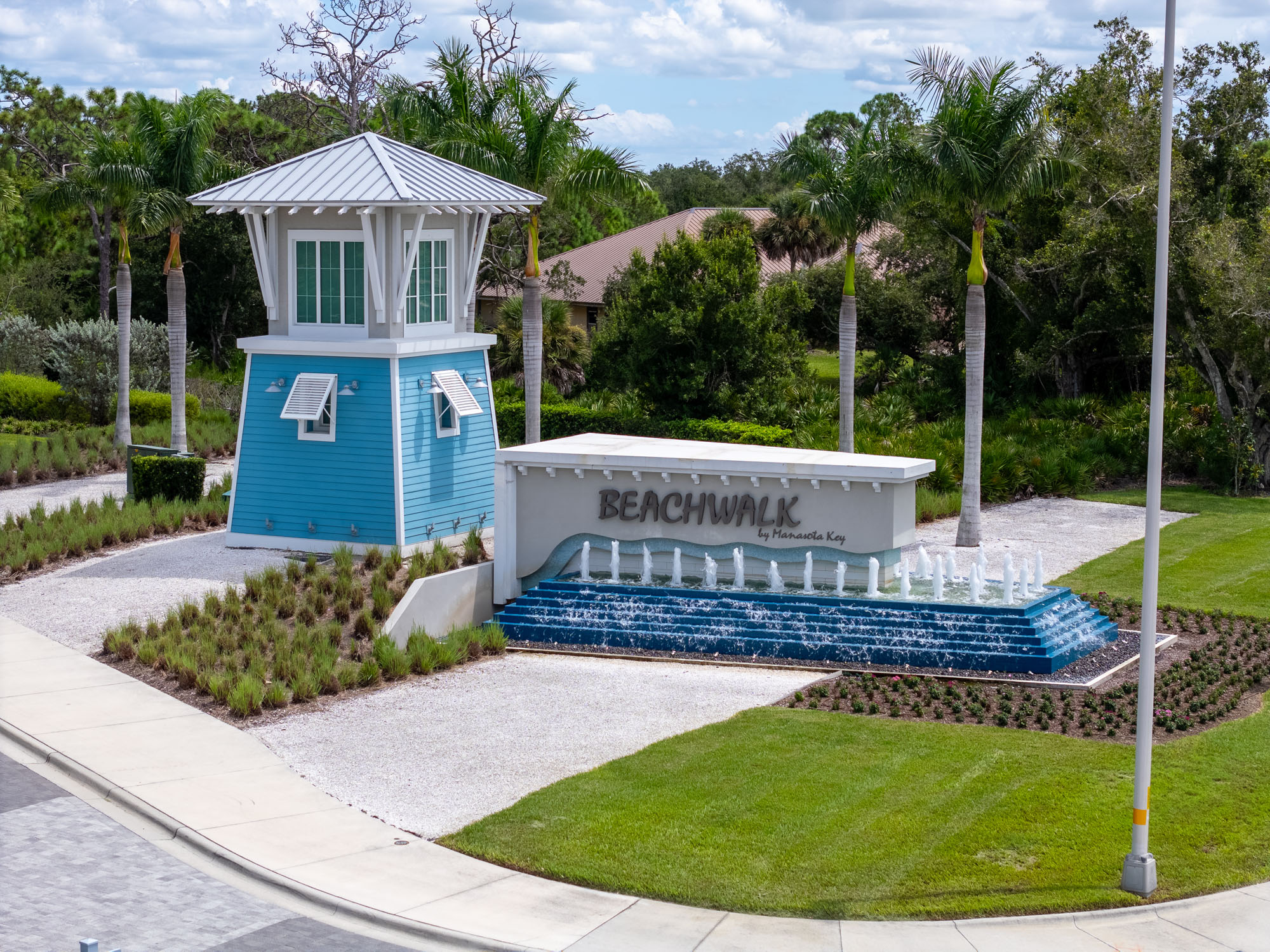
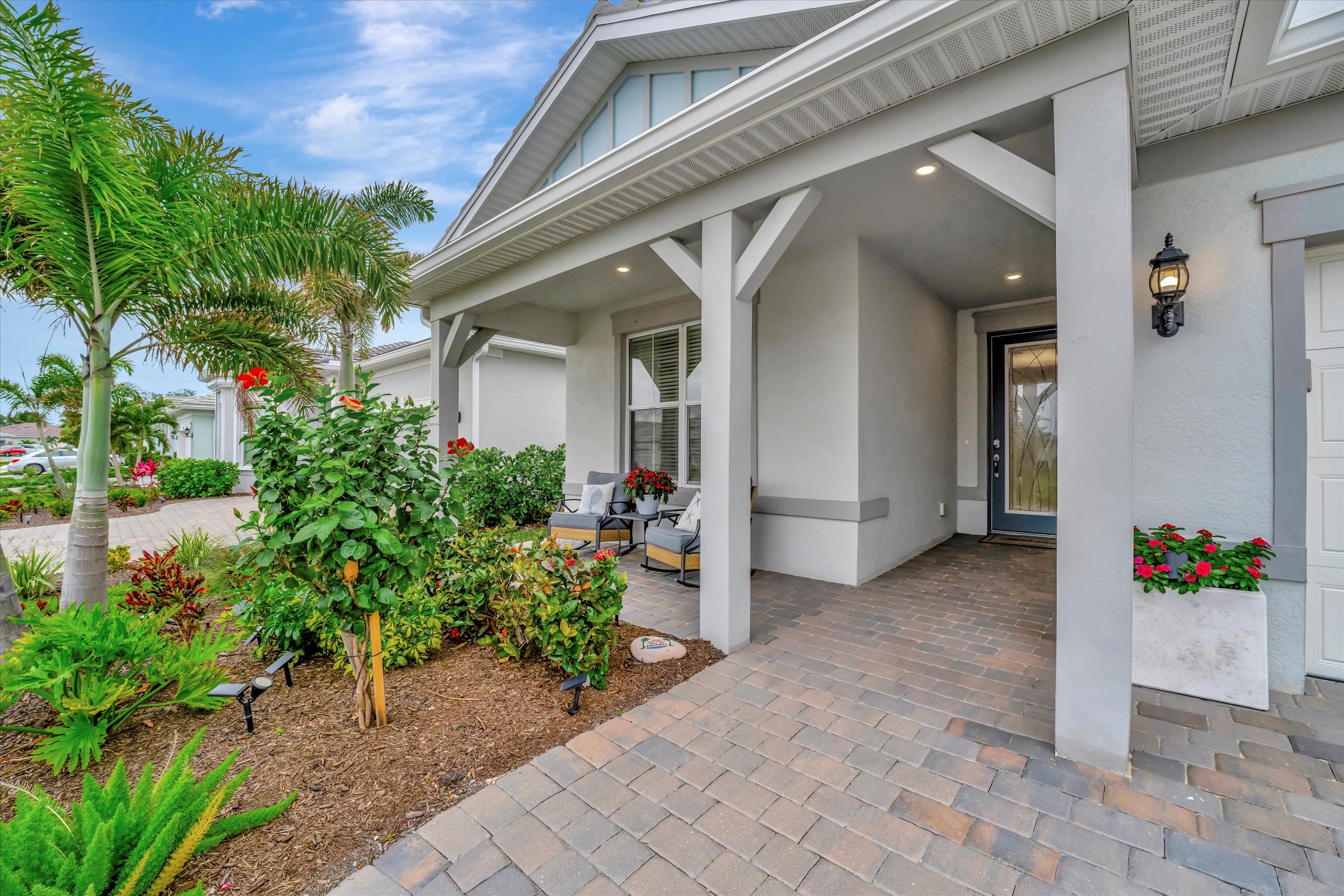
Other buyers realize what they actually wanted was low maintenance living, not a condo specifically. In that case, a villa or a newer single family home in a maintenance included community solves the same problem with a different ownership structure. Newer construction in communities like Beachwalk by Manasota Key and Wellen Park skips the aging building question entirely, and Beachwalk has no CDD fees, which changes the monthly math in a way most buyers do not expect. You can compare the communities I work in most and see how the fee structures differ, and the buying page lays out how the process runs here start to finish.
There is no universally right answer. There is a right answer for your budget, your travel schedule, and how much building risk you want to carry.
Frequently asked questions
Does every condo in Venice or Englewood need a milestone inspection?
No. The requirement applies to condominium and cooperative buildings that are three or more habitable stories tall, which leaves out a large portion of the two story inventory in this area. If your building is exempt, the state is not documenting its condition for you, so ask directly about roof age, exterior waterproofing, and reserve funding instead.
Can a special assessment be charged to me after I close?
Yes, and this is the risk that catches out of state buyers. Assessments are generally the responsibility of whoever owns the unit when they are levied, and unpaid amounts attach to the unit rather than the previous owner. Check the estoppel certificate and the board minutes, and if an assessment is pending, negotiate in writing who pays what before you sign.
How long do I have to review the condo documents?
Under Florida Statute 718.503, a resale buyer may cancel within three days, excluding Saturdays, Sundays, and legal holidays, after signing the contract and receiving the required documents. On a resale you generally need to request those documents in writing to start the clock, so make the request the same day you go under contract.
Are Venice and Englewood condos harder to finance than single family homes?
They can be. Lenders review the association itself in addition to your finances, looking at reserves, deferred maintenance, litigation, and the ownership mix, and a project that fails that review limits your loan options. Hand your lender the association documents early so the building gets screened well before your financing deadline.
Should I still consider a condo here at all?
Absolutely, if the building checks out. A well run association with a completed SIRS, funded reserves, and a board that plans ahead offers exactly what people move here for, which is a low maintenance place near the water. The documents are how you tell the well run buildings from the rest.
Ready to look at the paperwork together?
I read these reports with buyers every week, and I know which questions get real answers out of an association manager. If you are considering a condo, a villa, or a newer home in Venice, Englewood, Beachwalk by Manasota Key, or Wellen Park, send me the address and I will help you figure out what you are actually buying into before your deadlines run out.
Get in touch here and let's talk through it.
Have a great day!
Carol Burdelik
Luxury Realtor • ADTV Host • Coastal Lifestyle Expert
LPT Realty, LLC | License SL3549489
Serving Venice, Englewood, Beachwalk by Manasota Key, Wellen Park, and Sarasota County
Carol Burdelik is a licensed Florida Sales Associate, not a CPA, attorney, insurance agent, or licensed engineer. Nothing in this post is tax, legal, engineering, or insurance advice. Association documents, inspection reports, and budgets should be reviewed with the appropriate licensed professional before you make a decision.
Communities
Featured Articles
Trending Articles from Southwest Florida’s Top Real Estate Team
Stay updated with our most popular real estate and luxury lifestyle articles.

Client Feedback
Read what previous homeowners have said about working with us.

Let's Connect
Get in Touch
We’re here to assist you with your real estate needs.
Say Hello
Reach out to us anytime.

Office
Luxury Homes by Carol
26040 Seastone Dr.
Englewood, FL 34223

Pushing You Forward
Our Team
Meet the dedicated professionals behind your real estate journey.


@CarolBurdelik on YouTube
Latest Youtube Videos
Get the latest videos by Carol Burdelik on her YouTube channel.
Get Started
Start Your Luxury Property Journey Today
Contact Carol for a personalized consultation and discover your dream waterfront property in Florida.