







Cash Home Buyer or Listing in Venice or Englewood? How to Compare the Real Numbers

Luxury Homes By Carol Blog
Should you sell to a cash home buyer or list your house in Venice or Englewood? It depends on your net, not the offer. A cash offer wins when you need certainty and speed and the house needs work. A listing usually wins when the house is in decent shape and you can wait. Compare what lands in your account after every cost, not the headline number.
The postcard shows up in your mailbox. Then the text. Then a call from a number you do not know. "We buy houses. Any condition. Close in seven days."
If you own a home in Venice, Englewood, or Wellen Park, you have probably gotten at least one of these. Some of them come from real, established local buyers. Some come from national companies. Some come from people who plan to sign your contract and sell it to somebody else. And some sellers I talk to feel a little tempted, because a quick, clean exit sounds really good right now.
That feeling is fair. Selling a house is work. It can also be stressful, especially if you are relocating, dealing with an estate, carrying two payments, or just worn out from the storm season. I do not think a cash offer is a bad idea. I think it is a decision you should make with the real numbers in front of you.
So here is how I walk sellers through it. What each kind of cash buyer actually is, where the money goes on each side, how to build your own net sheet, the questions to ask before you sign, and when taking the cash offer is the right call.
First, not every cash buyer is the same
"Cash offer" gets used as one phrase for several very different kinds of buyers. They work differently, they price differently, and they carry different risks for you.
The iBuyer
An iBuyer is a company that uses technology to make a fast offer on your home, then does repairs and resells it. The Federal Trade Commission describes them as companies that use technology to make quick offers on homes. The appeal is convenience: an online form, a number, a closing date you pick.
Here is the part worth knowing. In that same consumer alert, the FTC says one large national iBuyer's offers were lower than a home's market value, and that it asked sellers to pay repair costs higher than what people would typically spend in a market sale. The FTC says most sellers typically lost thousands of dollars compared with a market sale. The company was later required to refund sellers; the FTC's refund notice says payments totaled nearly $62 million to 54,689 homeowners.
I am not telling you that every iBuyer cheats people. I am telling you that "fast and easy" and "most money" are two different promises, and the FTC found that at least one company blurred them. Read every line of the offer, including the service fee and the repair deductions.
The local investor who buys and renovates
This is a person or a small company that buys homes to fix and resell, or to hold as rentals. Good ones are real businesses with real money. They buy with their own funds, they close on a date you agree to, and they take the house as is.
Their price is built to leave room for repairs, holding costs, and profit. That is a fair way to run a business. It also means the offer is, by design, below what a finished home sells for. You are paying for speed and for someone else taking the risk.
The wholesaler
A wholesaler signs a contract to buy your house and then looks for another buyer to take over that contract, keeping the difference. They often do not have the cash to close on your house themselves.
That is not automatically wrong, but it changes what you need to watch. Your closing depends on a second buyer showing up. If one does not, the deal can fall apart late. Ask directly: "Will you close on this house yourself, with your own funds, or do you plan to assign the contract?" A straight answer tells you a lot.
The retail buyer who happens to pay cash
Here is one people forget. Plenty of cash buyers in Venice and Englewood are not investors at all. They are second-home buyers and relocating retirees who sold elsewhere and have the money in hand. When you list on the open market, these buyers can see your house. They pay market price and they close fast, with no financing contingency and no appraisal gap.
That is a very different thing from a "we buy houses" offer. It is also a big reason listing can beat a quick offer, because a good listing can bring you a cash buyer at a real price.
Where the money goes when you list
To compare fairly, you have to put the listing side on paper too. Sellers sometimes compare a clean cash number to a list price, and that is not a fair fight. The list price is not what you take home.
When you sell through a listing, your costs generally include these.
- The agent compensation you agree to in your listing agreement. This is negotiable and it is set between you and your brokerage, so get it in writing before you list.
- Documentary stamp tax on the deed. In Florida this is the "doc stamps" line on your settlement statement, and it is customarily a seller cost.
- Title and closing charges, which vary by title company and by county, so ask for an estimate for your address.
- Any repair credits you negotiate after the inspection or the appraisal.
- Carrying costs while the home is on the market: mortgage payment, taxes, insurance, utilities, HOA dues, and lawn and pool service.
- Any seller concessions you agree to in the contract.
Some of those are fixed. Some depend on how the negotiation goes. That uncertainty is the real cost of listing, and I want you to see it clearly instead of pretending it does not exist.
If you want the broader picture of selling costs, I broke it down in a recent post on the blog about what it costs to sell in Venice and Englewood. Use it alongside this one.
Where the money goes when you take a cash offer
A cash offer is not free of costs either. It just moves them around.
- The discount. The offer is usually lower than what an open-market sale would bring, because the buyer is pricing in repairs, risk, and profit.
- Fees. Some buyers charge a service fee or a transaction fee. Ask whether the number in the offer is the number on your settlement statement.
- Repair deductions. Some offers are adjusted after the buyer inspects the home. The FTC alert above is about exactly this pattern, so ask whether the price can change after the inspection.
- Closing costs. Ask who pays for the title work and the doc stamps. Do not assume.
On the plus side, you may skip commission, showings, staging, repairs, and the months of carrying costs. Those are real savings and they belong in the math.
Build your own net sheet before you answer anyone
This is the single most useful thing you can do, and it takes about twenty minutes. You are going to put two columns side by side: what you keep from the cash offer, and what you would likely keep from a listing.
Here is an illustration with round numbers, used only to show the math. These are not quotes for any home or any buyer.
Say a cash buyer offers $430,000. Say your home would likely sell for around $500,000 on the open market. If your estimated selling costs on that sale come to $40,000, covering commission, doc stamps, title charges, and a repair credit, you would keep about $460,000. The difference in your favor is $30,000.
Now add the carrying costs. If listing and closing takes four months and your monthly costs for the mortgage, taxes, insurance, utilities, and HOA add up to $3,000, that is another $12,000. The gap shrinks to $18,000.
Now subtract the cost of getting the house ready, if it needs it. If a new roof, a repaint, and some flooring would cost you $20,000 to bring the house to the condition that earns $500,000, the gap is gone. In that example the cash offer wins.
Change one input and the answer flips. If the home is in good shape and needs only a deep clean, the listing wins by a wide margin. That is why the answer is never "always list" or "always take cash." It is whatever your numbers say.
The five lines to put on the page
1. The cash number, after every fee. Ask the buyer to put the net amount to you in writing, including any fee, any repair deduction, and who pays which closing costs.
2. The realistic listing price. Ask for a pricing opinion based on recent closed sales of comparable homes, not asking prices. I will give you the closed sales and explain every adjustment.
3. The full cost of selling on the market. Use the list above, with real estimates for your address.
4. The cost of getting the house ready. Be honest here. If you would not repair it, price it as is.
5. The cost of time. Count every month the house sits on your books.
Venice and Englewood factors that change the math
This is Southwest Florida, so a few local details can move your numbers more than they would in a generic market.
Insurance and roof age
Roof age matters a lot to Florida insurers, and it matters to buyers who have to insure the home. A home with an older roof can be harder for a retail buyer to insure, which makes some sellers more open to a cash buyer who does not care. If you are in that spot, get insurance feedback from a few agents about what the roof means for coverage before you decide. I cannot quote you a premium, and nobody should promise one before the buyer's own quote comes back.
Flood zone and storm history
If your home took water or wind damage in a recent storm, or sits in a flood zone, a retail buyer may ask for more documentation and more inspections. A cash buyer may skip most of that and buy as is. That is a real convenience. It is also part of why the price is lower, so do not give it away for free.
Snowbird season
Buyer traffic in Venice and Englewood changes through the year. If you can wait for the stronger showing season, you may get more eyes on the house. If your timing is tight, the fast close of a cash offer may be worth more to you than the extra exposure.
Open permits and unpermitted work
Older additions, lanai conversions, and pool cages sometimes carry permit questions. A retail buyer and their lender may press on those. A cash buyer may accept them. If you suspect an issue, find out about it early so you know what you are really selling.
Questions to ask any cash buyer before you sign
Whoever the buyer is, get these answered in writing.
- Will you close on this property with your own funds, or do you plan to assign the contract to another buyer?
- What is the exact amount I will receive at closing, after all fees?
- Can the price change after your inspection? Under what conditions?
- Who pays for title work, doc stamps, and other closing costs?
- Is there a service fee or transaction fee? How much?
- How long is the inspection or due diligence period, and can you cancel during it?
- What happens to my deposit if the deal falls through?
- Do you want exclusive rights to buy, or any option to extend the closing?
- Will you give me proof of funds?
Pay special attention to the last two on that list. A buyer who needs a long option period and keeps the right to walk away is not really offering you the certainty you thought you were buying. And proof of funds is a normal request. A serious buyer will not mind it.
Have a real estate attorney review any contract before you sign it. I am a Realtor, not an attorney, and a contract that binds you to sell is worth an hour of a professional's time.
When the cash offer is the right call
I tell sellers all the time that the cash route is a perfectly good answer in the right situation. It tends to fit when:
- The house needs major work and you do not want to fund it or manage it.
- You have a firm deadline, such as a relocation, an estate timeline, or a purchase you are about to close on.
- You are carrying a second property and every month of double costs hurts.
- The home has condition or permit problems that would scare off a lender-backed buyer.
- Showings, staging, and open houses would be a real hardship for you.
In those cases, certainty has a price tag, and many sellers decide it is worth paying. That is a legitimate decision. My job is to make sure you know the price.
When listing is usually the better call
Listing tends to come out ahead when:
- The home is in good shape and needs little beyond cleaning and light prep.
- You are not in a rush and can carry the home for a few months.
- The home is in a desirable location or community, where open-market demand is strong.
- You want to see competing offers, including from cash buyers who are paying a market price.
One more point. You do not have to choose before you learn what the market says. A listing can bring you a retail cash offer, and a pricing review costs you nothing. Many of my sellers get a net sheet from me, compare it to a cash offer in hand, and decide with a clear head.
Frequently asked questions
Is a cash offer always lower than listing the house?
Often, but not always once you count everything. Cash offers from investors and iBuyers are usually priced below what a finished home earns on the market, because the buyer is covering repairs, risk, and profit. But listing has its own costs and its own uncertainty. The only way to know is to compare your net on both sides, with carrying costs and repairs included.
What is a wholesaler, and is it risky to sign with one?
A wholesaler signs a contract to buy your house and then tries to assign that contract to a different buyer for a fee. The risk is that your closing depends on that second buyer. Ask whether the company will close with its own funds, ask for proof of funds, and have an attorney read the contract before you sign.
Can a cash buyer lower the price after they inspect the house?
Some can, depending on what your contract says. The FTC's consumer alert about one national iBuyer says sellers were asked to pay repair costs higher than what people typically spend in a market sale. Before you sign, ask in writing whether the price can change after the inspection and under what conditions.
Do I still pay commission if I sell to a cash buyer?
If you sell directly to an investor without an agent, there is usually no listing commission, but you should confirm that in the contract and compare the full net. If you have signed a listing agreement with a brokerage, read it, because it may say what happens if you sell to a buyer you find yourself. Compensation is negotiable and set between you and your brokerage.
How fast can I close with a cash buyer compared to listing?
A true cash buyer with funds in hand can often close faster than a financed buyer, since there is no loan underwriting or appraisal. The timeline is set by the contract and by the title work, so ask the buyer for a specific closing date and what could delay it. A listing takes time to find a buyer first, and then the closing period follows.
Should I get a pricing opinion before I decide?
Yes. It costs you nothing and it gives you the number that makes the comparison honest. Without a realistic market price, you cannot tell whether a cash offer is fair, low, or a good deal for the speed.
Let's run the numbers on your house
You do not have to guess at this. If you have a cash offer in hand, or you are just wondering whether your home is worth listing, send me the address. I will pull the recent closed sales near you, put together an honest net sheet, and lay the cash offer next to it so you can see both sides.
If the cash offer wins, I will tell you so. If listing wins, I will show you why. Either way, you will make the call with real numbers instead of a mailbox postcard.
Visit my selling page to see how I work with sellers, or get in touch here and tell me about your home.
Have a great day!
Carol Burdelik
Luxury Realtor • ADTV Host • Coastal Lifestyle Expert
LPT Realty, LLC • License SL3549489
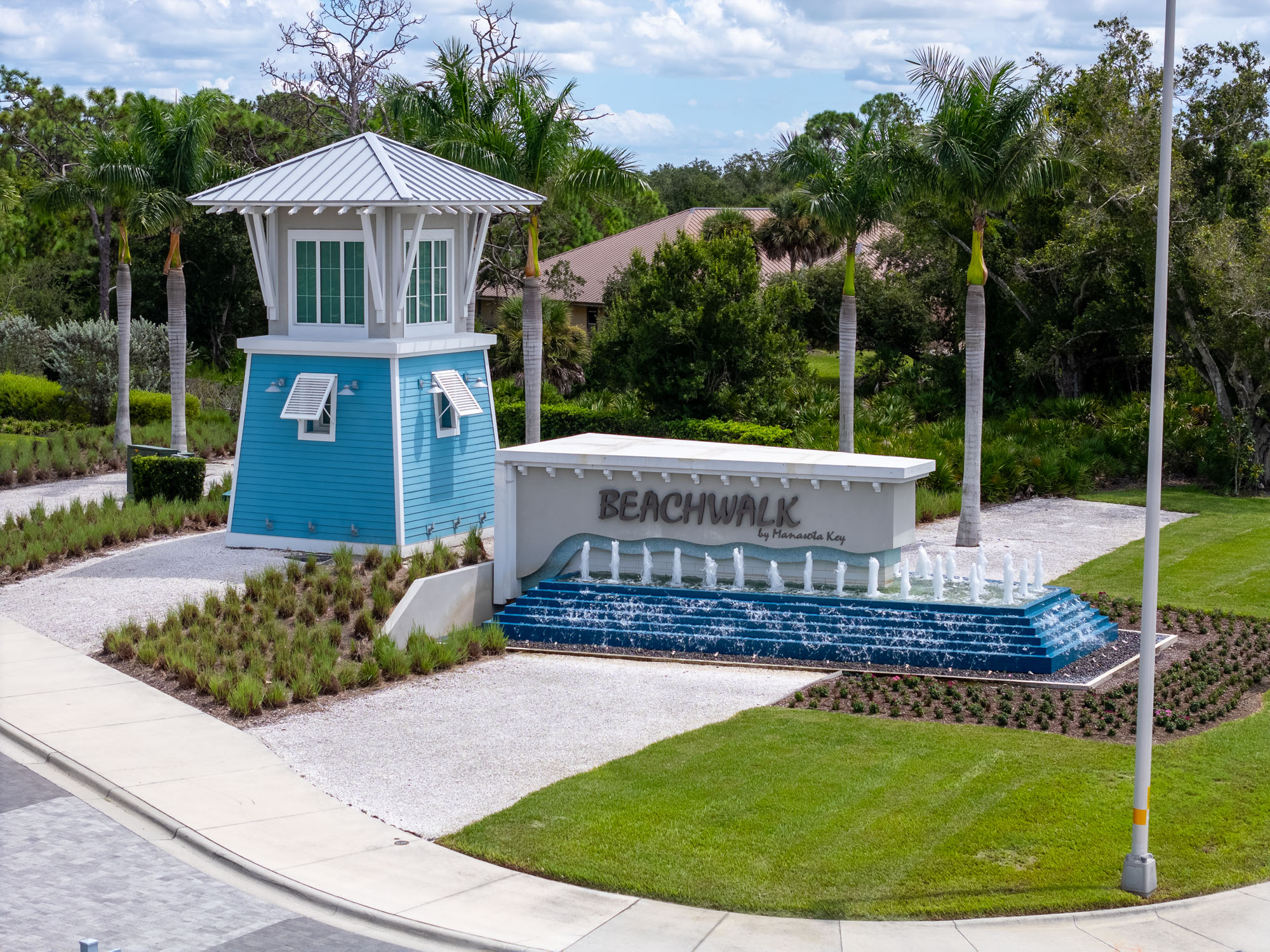
Serving Venice, Englewood, Wellen Park, Beachwalk by Manasota Key, Nokomis, Osprey, North Port, and Sarasota County
Carol Burdelik is a licensed Florida Sales Associate, not a CPA, attorney, or insurance agent. Nothing in this post is tax, legal, or insurance advice. Dollar figures in the examples are illustrations only, not quotes. Costs, offers, and contract terms vary, so confirm the details for your own sale with the right professionals.
Communities
Featured Articles
Trending Articles from Southwest Florida’s Top Real Estate Team
Stay updated with our most popular real estate and luxury lifestyle articles.

Client Feedback
Read what previous homeowners have said about working with us.

Let's Connect
Get in Touch
We’re here to assist you with your real estate needs.
Say Hello
Reach out to us anytime.

Office
Luxury Homes by Carol
26040 Seastone Dr.
Englewood, FL 34223

Pushing You Forward
Our Team
Meet the dedicated professionals behind your real estate journey.


@CarolBurdelik on YouTube
Latest Youtube Videos
Get the latest videos by Carol Burdelik on her YouTube channel.
Get Started
Start Your Luxury Property Journey Today
Contact Carol for a personalized consultation and discover your dream waterfront property in Florida.