







Buying Before You Sell in Venice or Englewood: Contingency, Bridge Loan, or Sell First?

Luxury Homes By Carol Blog
Should you buy a home in Venice or Englewood before your current home sells? It can work if you can carry two housing payments or protect yourself with a home sale contingency, a bridge loan, or a longer closing. If you cannot absorb the overlap, selling first is the lower-risk path.
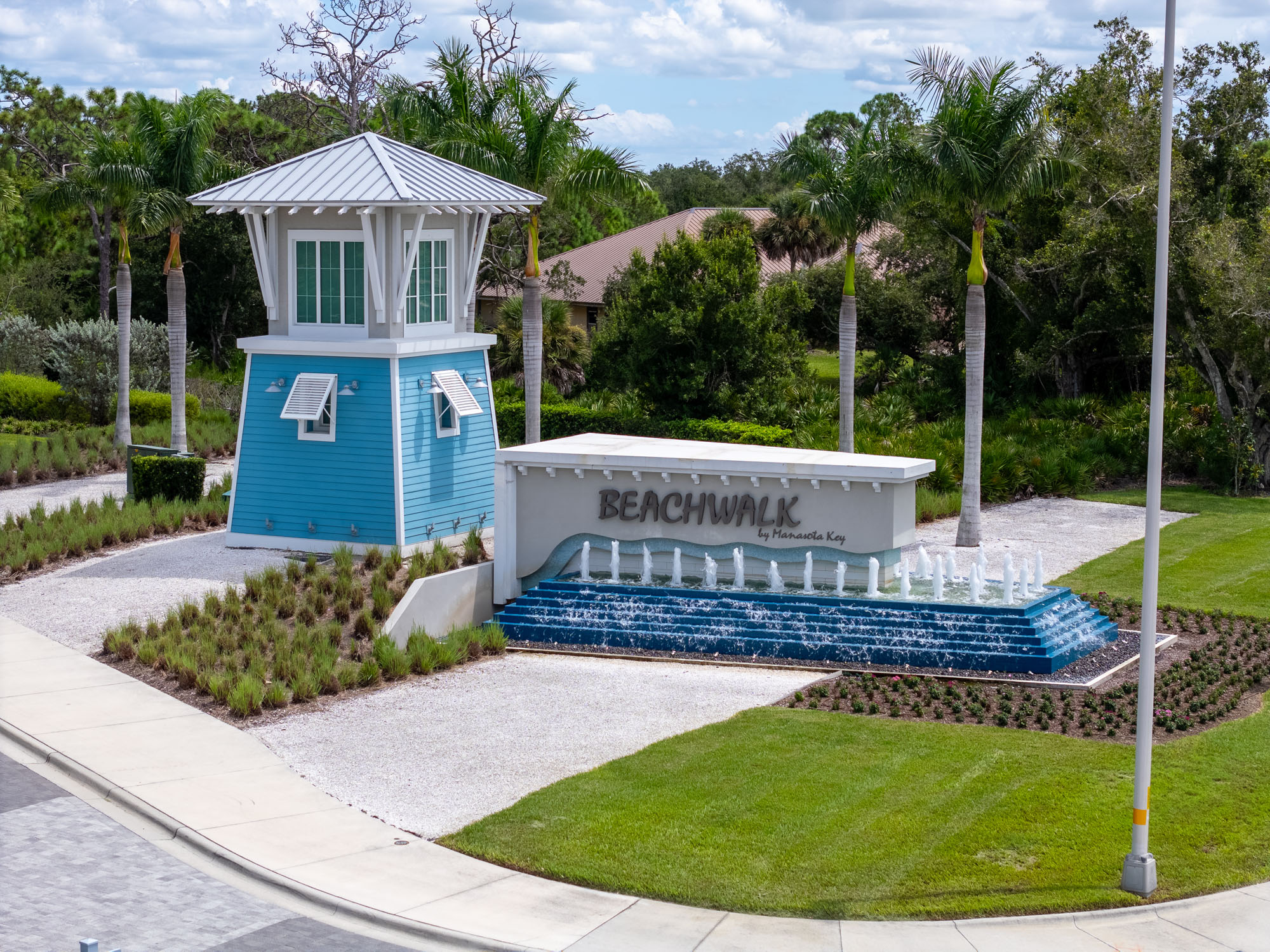
You found the house. Maybe it is a new build in Wellen Park with a lanai that faces the preserve. Maybe it is a Beachwalk by Manasota Key home with a golf cart ride to the beach. You walked through it and thought, "Yes. This one." Then the second thought hit: your current home is not sold yet.
That moment is where a lot of buyers in Venice and Englewood freeze. Some make an offer and hope for the best. Some walk away from a home they love. Both reactions cost money, and both can be avoided if you understand your real options before you write an offer.
I work with relocating buyers and move-up buyers across Venice, Englewood 34223, Wellen Park, and the rest of Sarasota and Charlotte County. The question of buying before selling comes up almost every week. Here is how I walk people through it, step by step, so you can pick the path that fits your finances and your nerves!
The Real Question: Which Risk Can You Carry?
Buying and selling at the same time always involves a trade. You are choosing which risk you would rather take on. There is no path with zero risk, but there is a path that fits you.
If you sell first, your risk is timing and housing. You may need a place to live between closings, and you may feel rushed to find the next home. If you buy first, your risk is money. You may carry two sets of costs for a while, and you may need financing that bridges the gap.
Redfin's guide to buying and selling at the same time lays out the same trade-off. Buying first spares you from finding temporary housing, but you need savings or financing to cover the down payment before your current home closes. Selling first helps you avoid paying two mortgages at once, but you may need a temporary place to live.
So before we talk about contracts, ask yourself three plain questions:
- Could I comfortably pay for both homes for two or three months if my current home sits?
- Do I need the money from my current home to make the down payment on the next one?
- How would I feel about living somewhere temporary for a short stretch?
Your answers point you toward one of four paths. Let's walk through each one.
Path One: Sell First, Then Buy
This is the most conservative route, and for many people it is the right one. You list your home, accept an offer, and use the proceeds to fund your next purchase. You never carry two homes. You know your budget to the dollar because the sale numbers are real, not estimates.
What Sell-First Gets You
Sell-first gives you a clear budget. You are not guessing what your home might bring. You also avoid the pressure of paying for a home you are not living in while you wait for a buyer.
It also makes your next offer stronger in one important way. When you make an offer with no home sale contingency, the seller sees a cleaner, more certain deal. That matters in Venice and Englewood, where well-priced homes in popular communities can draw attention quickly.
What Sell-First Costs You
The downside is housing and timing. If your home closes before you find the next one, you need somewhere to stay. That might be a short-term rental, a stay with friends or relatives, or a corporate-style furnished rental. In a seasonal market like ours, short-term rentals can be harder to find in the winter months when seasonal residents are back in town, so plan early.
You also lose some bargaining power if you feel rushed. A buyer who needs a home in 30 days sometimes makes choices a patient buyer would not.
Two Tools That Soften Sell-First
First, ask for a rent-back. That means you sell your home and then stay in it for an agreed number of days after closing, under a short written agreement. Redfin describes this as a way to buy time to find or close on your next home. Your buyer has to agree, and the terms are negotiated, so bring it up when you list or when you review offers.
Second, ask for a longer closing date on your sale. A closing that is a few weeks further out gives you room to find the next home and line up the two closings close together. Your selling strategy and your buying strategy should be built together from day one, not as two separate projects.
Path Two: Buy First With a Home Sale Contingency
A home sale contingency says your purchase depends on your current home selling. If it does not sell in the agreed window, you can back out under the terms of the contract. For a buyer, it is a safety net. For a seller, it is a risk, and sellers know it.
How Sellers Look at a Contingent Offer
HomeLight's article on buying a house contingent on selling yours explains that sellers often prefer offers with no contingencies, because those offers are faster and more certain. Contingent offers can be harder to get accepted, especially when other buyers are competing.
The same article notes that a contingency usually runs one or two months, with a 30 to 60 day sale window common. It also points out a useful distinction. A buyer whose home is already under contract looks much safer to a seller than a buyer whose home has not even been listed.
That tells you something practical. If you want to use a contingency, list your home first. A listed home with showings and a realistic price tells the other seller you are serious. An unlisted home with a "we'll sell it eventually" plan rarely gets a warm reception.
The Kick-Out Clause
Many sellers who accept a contingent offer will ask for a kick-out clause. This lets the seller keep marketing the home. If another acceptable offer arrives, you typically get a short window, HomeLight describes it as about 72 hours, to either remove your contingency and move forward or step aside.
Before you agree to one, ask yourself a hard question. If you got that call tomorrow, could you actually proceed? If the answer is no, a kick-out clause means you could lose the home you love with very little warning. Know that going in.
How This Works in a Florida Contract
Most Florida residential deals use a standard purchase contract, and a home sale contingency is typically added as a rider or addendum with its own deadlines. The wording matters a great deal: what counts as "sold," what date applies, and what happens if your buyer's financing falls through. This is a place where you want a Realtor who reads every line with you and, for legal questions, a Florida real estate attorney.
If you are looking at new construction in places like Wellen Park or Beachwalk, ask early whether the builder will even accept a home sale contingency. Builders often set their own contract terms, and some are firm about them. It is much better to learn that before you fall in love with a floor plan.
Path Three: Buy First and Bridge the Gap With Financing or Cash
If a contingency will not be accepted, or you do not want one, you can fund the next purchase without waiting for your sale. A few common tools exist. I am a Realtor, not a lender, so I will explain the idea and then send you to a licensed mortgage professional for the real numbers and rules.
Home Equity Line of Credit
A home equity line of credit, or HELOC, lets you borrow against the equity in your current home. Redfin notes that it can help fund the next purchase if you qualify. HomeLight points out the flip side: it adds debt and interest costs. You are also borrowing against a home you are about to sell, so ask how and when it gets paid off at closing.
Bridge Loan
A bridge loan is a short-term loan that covers the down payment until your current home closes. Redfin notes that not every bank offers one and that it can be hard to qualify for. If you are considering it, ask a licensed lender what it costs overall, how long you have to repay it, and what happens if your home takes longer to sell than you planned. Those answers matter more than any headline number.
Cash Reserves or Other Savings
Some buyers simply use savings or investments for the down payment and then replace them with sale proceeds. That is simple, but it only works if you have enough cushion left to handle surprises. A roof estimate, an insurance requirement, or a slow listing can all show up at the wrong time.
Whatever route you choose, talk with a lender before you shop. Your financing options shape your offer, and you want to know whether you qualify to carry both homes before you are under contract. I can introduce you to more than one lender option so you can compare, and the choice is always yours.
Path Four: Line Up the Two Closings
Some buyers do not need a contingency or a bridge. They need coordination. If your home is under contract and you are shopping, you can aim for closings that fall close together, even the same week.
That takes teamwork. The title companies, lenders, and agents on both sides need to talk to each other. Your closing dates need some flexibility. And you need a plan B if one side slips. A buyer's financing delay can push your sale back, and that can ripple into your purchase.
Ask for a few extra days in both contracts if you can. A short cushion on each side costs very little compared with the stress of a closing that is off by one day.
Florida Details That Can Change Your Plan
Homestead and Portability
Florida's homestead rules matter when you move from one Florida home to another. According to the Florida Department of Revenue's Save Our Homes information, many homestead owners can transfer all or part of their assessment difference to a new homestead. You must establish the new homestead within three years of January 1 of the year you gave up the old one. The clock runs from when you abandoned the old homestead, not from the date of the sale.
The same page explains that you file the Transfer of Homestead Assessment Difference form (DR-501T) with your homestead application (DR-501) at your county property appraiser's office by March 1. If you are buying before you sell, think through which home you are treating as your permanent residence on January 1. That is a tax question, so talk with the county property appraiser and a tax professional before you decide.
Insurance on the New Home
In our part of Florida, insurance is part of every offer. You will want to get quotes on the new home before you go under contract, not after. Ask about roof age, wind mitigation features, and flood zone, because those details shape what you can get and what it costs. I do not quote premiums, and neither should anyone who has not run your actual address.
If your current home is still yours, you also need to keep its coverage active until it closes. Do not let a policy lapse because you are focused on the move.
Inspections and Appraisal
Your purchase has its own inspection period and, if you are financing, an appraisal. Your sale has the same two steps from your buyer's side. A low appraisal or a repair request on either home can move a date. This is why the "all of my dates line up perfectly" plan on paper sometimes looks different two weeks later. Build in breathing room.
Timing and the Seasonal Market
Venice and Englewood have a seasonal rhythm. Interest in homes often rises as seasonal residents return in the fall and winter. That can help your sale. It can also mean more competition for the home you want to buy. If you are flexible, talk with me about where you are in that cycle so we can time your listing and your offer to work together.
Resale vs. New Construction When You Are Timing Two Moves
The type of home you are buying changes your plan more than most people expect.
With a resale in Venice, Englewood, or an established part of Wellen Park, you usually have a firm closing date within a normal contract window. That makes it easier to line up with your own sale.
With new construction in Wellen Park or Beachwalk by Manasota Key, the timeline may depend on construction progress. A home that is already built and ready to close behaves like a resale. A home that is still under construction can move your move-in date, and you do not fully control it. If you are selling at the same time, ask the builder for a realistic completion window in writing and plan a cushion around it.
One perk at Beachwalk is that there are no CDD fees, which keeps your monthly costs simpler while you are carrying two homes. Always check the current costs for any community before you commit, because fees and assessments can change.
A Simple Way to See the Cost of Overlap
Here is an illustration with made-up round numbers, not a quote and not a prediction. Say your current home costs you $3,500 a month all in when you add the mortgage, taxes, insurance, utilities, and HOA fees. You close on the new home, and your old home takes three months to sell.
That is $3,500 times three, or $10,500 of extra carrying cost. Add the cost of any bridge financing, plus some maintenance, and the number grows. Now picture that same math at six months. It is easy to see why a plan has to include the question, "What if it takes longer than I think?"
Run this math with your own numbers before you make an offer. Write down your monthly costs for the home you are leaving, then multiply by two, three, and four months. If the four-month number makes your stomach drop, you want a different plan.
Here's What I'd Do
Every situation is different, but this is the order I suggest to most buyers who are in your shoes:
- Talk with a licensed lender first so you know what you qualify for while carrying both homes.
- Meet with me to price your current home and map a listing timeline that matches your buying plans.
- List your home before you start making offers if you want a contingency to have a chance.
- Decide your fallback: a rent-back, a short-term rental, or a longer closing on your sale.
- Get insurance quotes on the home you want before you go under contract.
- Build a few extra days into both contracts.
If you follow those steps, you give yourself options. And options are what keep you calm when the unexpected shows up, whether it is a slow week of showings or a repair request.
If you are new to the area and your move is bigger than a few miles, my buyer resources walk through the steps from first search to closing day.
Frequently Asked Questions
Can I make an offer on a Venice or Englewood home before my current home is listed?
You can, but sellers may be cautious if you have not listed. Many sellers want proof that you are actively trying to sell, and a listed home carries more weight than an unlisted one. If you plan to use a contingency, listing first improves your chances. If you plan to fund the purchase another way, talk with your lender before you write the offer.
How long does a home sale contingency usually last?
HomeLight reports that contingencies often run one or two months, with 30 to 60 days common for the sale window. The exact number is negotiated in your contract. A seller may agree to a short window and then ask for a kick-out clause, so read the deadlines closely.
Is it better to sell first or buy first in Florida?
Neither is better for everyone. Selling first lowers the financial risk and gives you a clear budget, while buying first lowers the housing and timing stress. The right answer depends on your savings, your equity, your comfort level, and how fast homes are moving in the community you want. A conversation about your numbers will show which risk fits you.
What happens to my Florida homestead exemption if I buy before I sell?
Homestead rules depend on which home is your permanent residence and when you move. The Florida Department of Revenue says you can transfer Save Our Homes savings to a new homestead if you establish it within three years of January 1 of the year you gave up the old one. Talk with your county property appraiser and a tax professional about your specific dates.
Ready to Plan Your Move?
If you are looking at a home in Venice, Englewood, Wellen Park, or Beachwalk and wondering how to handle the sale of your current home, let's talk it through before you write an offer. A short conversation can save you weeks of stress. Fill out the contact form at luxuryhomesbycarol.com and tell me where you are in the process. I will help you build a plan that fits your timeline and your budget!
Have a great day!
Carol Burdelik
Luxury Realtor • ADTV Host • Coastal Lifestyle Expert
Florida License SL3549489 | LPT Realty, LLC
Serving Venice, Englewood, Wellen Park, Beachwalk by Manasota Key, and Sarasota, Charlotte, and Manatee Counties
Carol Burdelik is a licensed Florida Real Estate Sales Associate, not a CPA, attorney, mortgage lender, or insurance agent. Nothing in this post is tax, legal, financing, or insurance advice. Talk with licensed professionals about your specific situation.
Communities
Featured Articles
Trending Articles from Southwest Florida’s Top Real Estate Team
Stay updated with our most popular real estate and luxury lifestyle articles.

Client Feedback
Read what previous homeowners have said about working with us.

Let's Connect
Get in Touch
We’re here to assist you with your real estate needs.
Say Hello
Reach out to us anytime.

Office
Luxury Homes by Carol
26040 Seastone Dr.
Englewood, FL 34223

Pushing You Forward
Our Team
Meet the dedicated professionals behind your real estate journey.


@CarolBurdelik on YouTube
Latest Youtube Videos
Get the latest videos by Carol Burdelik on her YouTube channel.
Get Started
Start Your Luxury Property Journey Today
Contact Carol for a personalized consultation and discover your dream waterfront property in Florida.