



Amendment 3 Passed: Why Out-of-State Buyers in Venice and Englewood Are Watching December 31, 2026
Luxury Homes By Carol Blog
Do you need to be a Florida resident by December 31, 2026 to get the bigger homestead exemption from Amendment 3?
For the full increase right away, generally yes. Florida voters passed Amendment 3 on November 3, 2026, and the larger exemption goes to homeowners who held a permanent Florida residence as of December 31, 2026. People who become residents after that date start with a smaller exemption and wait until their fifth homestead year for the larger one.
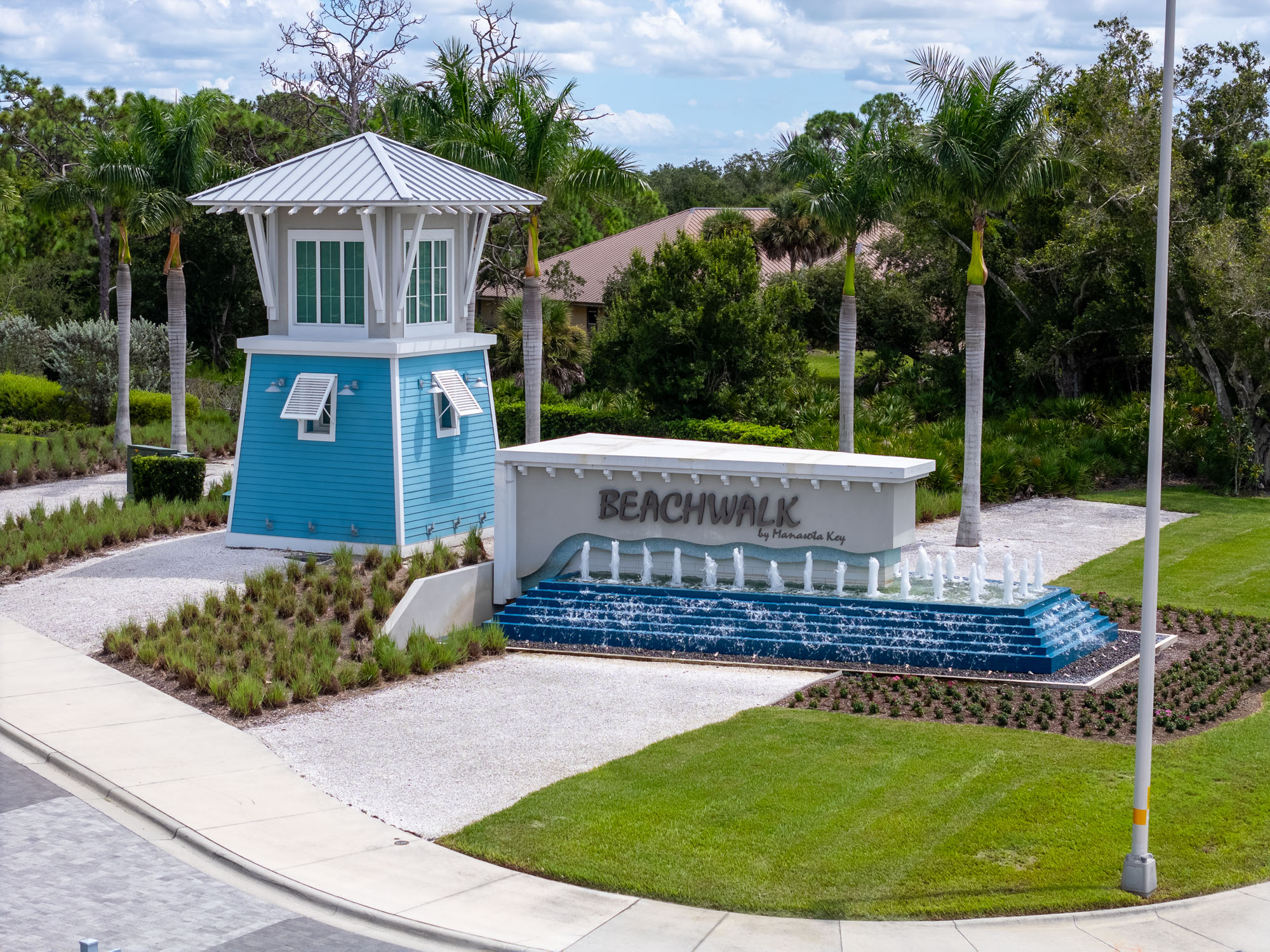
If you have been planning a move to Venice, Englewood, Beachwalk by Manasota Key, or Wellen Park "sometime next year," this vote just put a date on your calendar. It is about six weeks away.
Most of my buyers are relocating from out of state, and most of them pay cash. So this is the question my phone has been ringing with since the election. Is it worth rushing? Do I have to own a house by then? What if my new build won't be done until summer?
Here's what we know right now, what is still being worked out in Tallahassee, and how I would think through your timing. One promise up front: I'll tell you where the facts stop and the guessing starts. I'm a Realtor, not a tax attorney, so the last word on your situation belongs to your county property appraiser, your attorney, or your CPA.
What Amendment 3 Changed, in Plain English
Florida already gives homeowners a homestead exemption on their primary residence. For the 2026 tax year, the total exemption is up to $51,411 of assessed value. Part of it applies to all property taxes, and part of it applies only to non-school taxes.
Amendment 3 makes the non-school part much bigger. According to the Volusia County Property Appraiser's Amendment 3 guide, one of the clearest official explainers available, the schedule looks like this:
- Starting January 1, 2027: up to $150,000 of assessed value exempt from non-school taxes.
- Starting January 1, 2028: up to $250,000 exempt from non-school taxes.
- Starting January 1, 2029: that amount adjusts each year for inflation.
A few things did not change, and they matter just as much:
- School taxes: only the first $25,000 of assessed value is exempt from school taxes, the same as before. You will still see school taxes on your bill.
- Save Our Homes: the yearly cap on how much your homestead's assessed value can rise stays at 3% or the change in CPI, whichever is lower.
- Portability: if you already own a Florida homestead and move to another one, portability works the same way it did.
- Other exemptions: the existing senior, veteran, disability, and widow or widower exemptions are not changed.
There is also a change for property that is not a homestead, like a second home or a rental. The yearly cap on assessed value increases for non-school taxes drops from 10% to 5%. I'll come back to that, because a lot of my seasonal buyers fall in that group.
The December 31, 2026 Line, and Why It Matters to You
Here is the part that affects people moving here from out of state.
The bigger exemption is tied to whether you maintained a permanent residence in Florida as of December 31, 2026. If you did, you're in the group that gets the larger non-school exemption on the schedule above, once you qualify a homestead.
If you become a Florida resident on or after January 1, 2027, the rules are different. You start with a non-school exemption of up to $50,000. You become eligible for the larger exemption beginning with the fifth year you receive the homestead exemption.
Think about what that gap means. In 2028, an existing resident could have up to $250,000 of assessed value exempt from non-school taxes. A new resident in their first homestead year would have up to $50,000. That's a difference of up to $200,000 of taxable value for several years in a row.
A simple way to see the dollars
Property taxes are figured in mills. One mill is $1 of tax for every $1,000 of taxable value. So every $100,000 of exemption saves you $100 for each mill that applies to it.
Here's an illustration only, using round numbers. If the non-school millage on a home added up to 10 mills, an extra $100,000 of exemption would be worth about $1,000 a year. An extra $200,000 would be worth about $2,000 a year. Your real millage depends on the city, county, and special districts where the home sits, and local governments can change their rates. Pull the actual numbers for any home you're considering from the county property appraiser.
For a sense of scale from an official source, the Volusia County Property Appraiser estimated average savings in that county of about $1,164 in 2027 and $2,345 in 2028 for a homestead, assuming no millage changes. Sarasota and Charlotte County numbers will be different, but it shows you why buyers are paying attention.
Do You Have to Own a Home by December 31?
This is the question I get the most, and the answer surprises people.
Based on the guidance attorneys have published since the vote, the cutoff is about residency, not about owning the house you'll eventually homestead. A November 2026 analysis from the law firm Holland & Knight says the cutoff does not require you to own your eventual homestead property by December 31, 2026.
That's separate from how the homestead exemption itself works, which hasn't changed. To claim homestead for a given tax year, you generally need to hold title to the home and make it your permanent residence as of January 1 of that year. Then you file your application with the county property appraiser by March 1.
So there are really two clocks running:
- Clock one: your Florida residency. Were you a permanent Florida resident as of December 31, 2026? That decides which exemption schedule you're on.
- Clock two: your homestead. Did you own the home and live in it as your permanent residence on January 1 of a given year? That decides which year your homestead exemption starts.
A buyer who closes on a Beachwalk home in December, moves in, and lives there on January 1, 2027 could check both boxes at once. A buyer who rents in Venice this winter and buys next spring may still be on the existing-resident schedule, if their residency holds up, but their homestead on the new home would start the following January.
What Counts as Becoming a Florida Resident?
This is where I want you to slow down and get real advice. There is no single form that makes you a resident.
Attorneys describe residency as a question of fact. It's about your intent, shown by how you actually live and what your records say. Paperwork that points to Florida while your life is still clearly somewhere else won't carry much weight.
The steps attorneys commonly mention as evidence include:
- Actually living in a Florida home as your main residence, whether you own it or rent it
- Getting a Florida driver's license
- Registering your vehicles in Florida
- Registering to vote in Florida
- Filing a Declaration of Domicile with the county clerk
- Moving your mailing address, bank statements, and other financial and legal records to Florida
No single item on that list settles it. Together, they tell a story. If you're renting while you shop, keep copies of your lease and records from the date you moved, because you may need to show when your Florida residency started.
One more thing on this. Florida residency touches more than property taxes. It can affect your state income tax situation back home, your estate planning, and more. Talk with a Florida attorney or a CPA before you make the switch, especially if you still own property or earn income in another state.
What Is Still Being Worked Out
Amendment 3 is now part of the Florida Constitution, but the details are not all written yet. Here's what's still open as of mid-November 2026:
- Implementing laws. The Legislature has to pass laws putting the amendment into practice, including how people prove their December 31, 2026 status. The governor has said he plans to call a special session and that lawmakers need to return before January 1, though no date had been set as of this writing.
- A possible court challenge. Some property appraisers and commentators expect the five-year wait for new residents to be challenged in court, because the Florida Supreme Court struck down a similar residency waiting period decades ago. Nobody knows yet how that would play out.
- Local tax rates. Sarasota County leaders have already started talking about budget decisions after the vote. A bigger exemption lowers your taxable value, but your bill also depends on the millage rates your local governments set.
What that means for you: don't build your whole move around a number that might shift. Use the December 31 date as a real planning factor, then confirm with the county property appraiser as the rules are finalized. I'll keep my clients posted as they are.
Should You Rush to Close Before December 31?
Here's what I'd do, depending on where you are.
If you're already planning to live here full time
If Venice or Englewood is going to be your main home anyway, the December 31 date is worth taking seriously. A cash resale can often close within a few weeks of a signed contract, depending on title work, HOA approval, and your inspection period. That's tight before the holidays, but it is possible.
You don't have to buy the first house you see to beat the date. Since the cutoff is about residency, some buyers are renting first, moving their lives here before year end, and taking their time to buy the right home in 2027. Ask your attorney whether that path fits your situation.
If you're buying new construction
Most new builds in Beachwalk by Manasota Key and Wellen Park won't close in six weeks. If you're under contract on a home that finishes next year, the question becomes whether you can establish Florida residency now, likely by renting nearby, and then homestead the new home once you own it and live in it on a January 1. That's a conversation for your attorney, and it's one we should have early.
If you're still choosing a community, my Beachwalk by Manasota Key community page is a good place to start. Beachwalk has no CDD fees, which helps your carrying costs no matter which exemption schedule you land on.
If this will be a second home or a seasonal place
The bigger homestead exemption only applies to your permanent residence. If you'll keep your main home up north and spend winters here, you won't get the homestead exemption at all.
The change that helps you is the new 5% cap on yearly increases in assessed value for non-school taxes, down from 10%. That cap limits how fast your assessed value can rise. It doesn't freeze your tax bill, and it doesn't apply to school taxes. When you buy, the home is generally reassessed at market value, so look up the property and run the numbers with that in mind.
If you're an investor
Rentals don't get the homestead exemption, so don't count homestead savings in your numbers. The 5% non-school cap is the part that touches you. Keep in mind that some analysts expect local governments to look for revenue elsewhere, so model your carrying costs conservatively.
Your Six-Week Checklist
If you're seriously thinking about getting here before year end, here's the order I'd work in:
- This week: Talk with a Florida attorney or CPA about whether and how to establish residency before December 31, 2026, and what it means for taxes in your current state.
- Next: Decide whether you're buying now or renting first. If you're buying, get your proof of funds or pre-approval ready so you can move quickly.
- Before you write an offer: Look up the home on the Sarasota County Property Appraiser website, or Charlotte County's if the home sits on that side of Englewood. Note the current assessed value and the taxes the seller pays.
- Once you're here: Start building your residency records. Driver's license, vehicle registration, voter registration, and your mailing and financial addresses.
- By March 1 of the year your homestead starts: File your homestead exemption application with the property appraiser in the county where your home is.
- Through it all: Watch for the implementing laws. The rules for proving your December 31 status may get more specific.
If you're coming from out of state and want help lining up the whole move, my relocation services page explains how I work with long-distance buyers. I'm boots on the ground here. I can walk homes on video for you, check on details, and keep your timeline moving while you wrap things up back home.
And if you want the background on why your bill as a new owner usually looks different from the seller's, I wrote about that in why your property tax bill will be higher than the seller's in Venice and Englewood.
Frequently Asked Questions
When does the bigger homestead exemption from Amendment 3 start?
The non-school homestead exemption rises to up to $150,000 of assessed value starting January 1, 2027, and up to $250,000 starting January 1, 2028. After that it adjusts for inflation. The school tax exemption stays at $25,000, and implementing laws from the Legislature are still expected.
I'm moving to Venice in 2027. Do I lose the homestead exemption?
No. You can still claim a homestead exemption once you own and live in your Florida home as your permanent residence on January 1 and file by March 1. If you became a resident after December 31, 2026, you would start with a non-school exemption of up to $50,000 and become eligible for the larger one beginning in your fifth homestead year, unless the rules change through legislation or the courts.
Do I have to own a home in Florida by December 31, 2026 to qualify?
Published legal guidance says the cutoff is about whether you were a permanent Florida resident on that date, not whether you owned your eventual homestead. Your homestead exemption itself still starts with the first January 1 that you own and live in the home. Because the details are still being written, confirm your plan with a Florida attorney and the county property appraiser.
Does Amendment 3 help if I'm buying a second home in Englewood?
A second home doesn't qualify for the homestead exemption. What changes for you is the cap on yearly increases in assessed value for non-school taxes, which drops from 10% to 5%. That limits how fast the assessed value can climb after you buy, but it doesn't cap your total bill or school taxes.
Let's Look at Your Timeline Together
Six weeks goes fast, especially with the holidays in the middle. If you're weighing a move to Venice, Englewood, Beachwalk, or Wellen Park and want to know whether a December closing is realistic for you, let's talk it through now. I'll help you see what's on the market, what can close in time, and what questions to bring to your attorney or CPA.
Fill out my contact form and I'll get back to you personally. No spam. No fuss.
Have a great day!
Carol Burdelik
Luxury Realtor • ADTV Host • Coastal Lifestyle Expert
LPT Realty, LLC | FL License SL3549489
Serving Venice, Englewood, Beachwalk by Manasota Key, Wellen Park, and Sarasota, Charlotte, and Manatee Counties
Sources: Volusia County Property Appraiser, "Proposed 2026 Florida Property Tax Amendment 3" guide; Holland & Knight analysis of the new homestead exemption and Florida residency (November 2026); news coverage of the November 3, 2026 vote and the planned special session. This post is for general information only and reflects what was known as of November 19, 2026. Rules may change as implementing laws are passed.
Carol Burdelik is a licensed Florida real estate Sales Associate, not a CPA, attorney, or insurance agent. Nothing in this post is tax, legal, or insurance advice. Confirm your situation with your county property appraiser and a qualified tax or legal professional.
Communities
Featured Articles
Trending Articles from Southwest Florida’s Top Real Estate Team
Stay updated with our most popular real estate and luxury lifestyle articles.

Client Feedback
Read what previous homeowners have said about working with us.

Let's Connect
Get in Touch
We’re here to assist you with your real estate needs.
Say Hello
Reach out to us anytime.

Office
Luxury Homes by Carol
26040 Seastone Dr.
Englewood, FL 34223

Pushing You Forward
Our Team
Meet the dedicated professionals behind your real estate journey.

@CarolBurdelik on YouTube
Latest Youtube Videos
Get the latest videos by Carol Burdelik on her YouTube channel.
Get Started
Start Your Luxury Property Journey Today
Contact Carol for a personalized consultation and discover your dream waterfront property in Florida.