





Should You Waive the Home Inspection When Buying in Venice or Englewood?

Luxury Homes By Carol Blog
Should you waive the home inspection when buying in Venice or Englewood, FL? In most cases, no. A Florida As-Is contract gives you an inspection period to cancel for any reason, and giving that up means you absorb every hidden roof, plumbing, electrical, and moisture problem yourself.
You found the house. You love the lanai, the layout, and the location. Then your agent says the seller has three offers and one of them waives the inspection. Your stomach drops. You are an hour into a decision that could cost you tens of thousands of dollars in either direction.
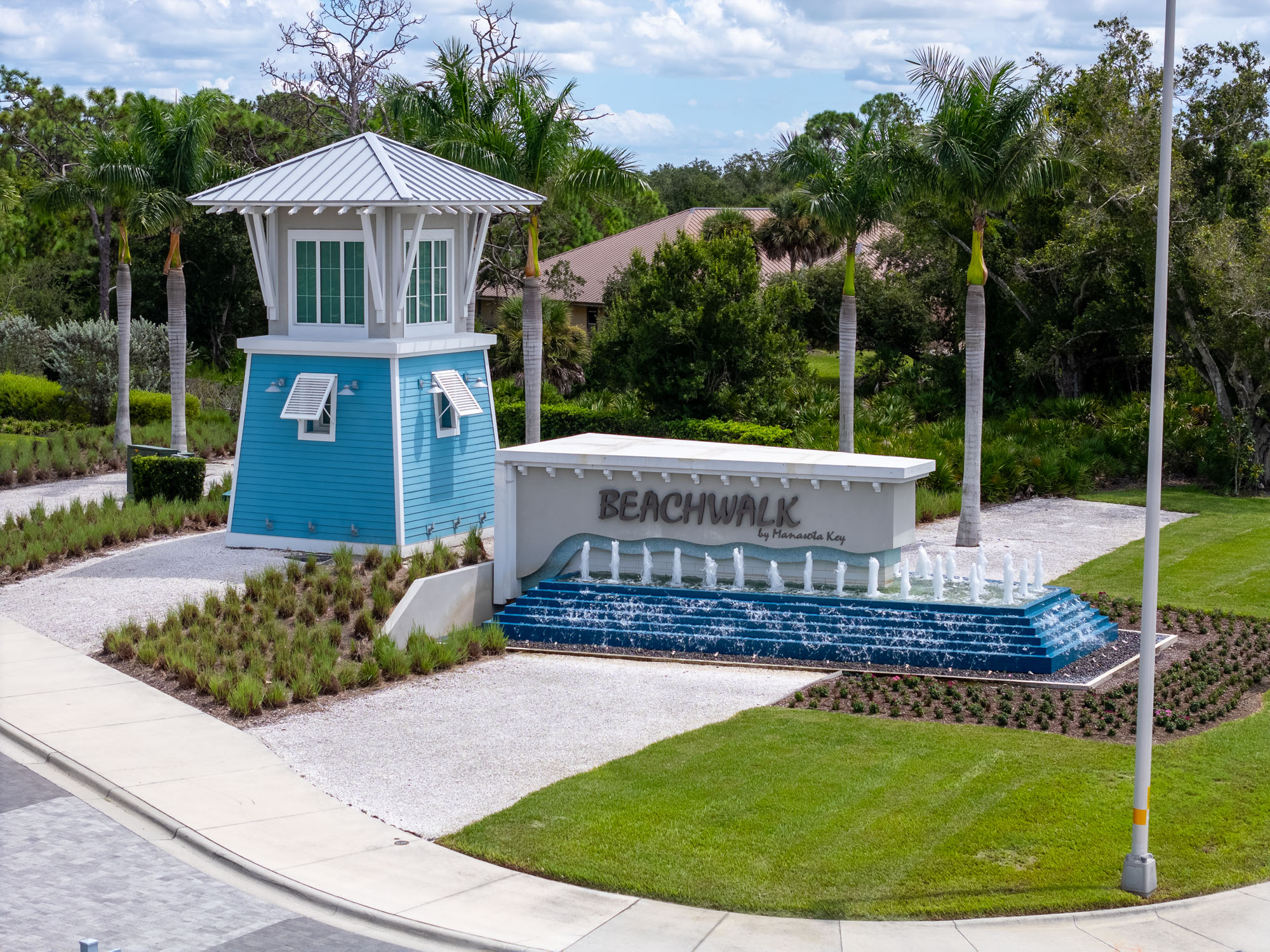
I hear this question from buyers in Venice, Englewood, Wellen Park, and Beachwalk by Manasota Key all the time, especially from people relocating from out of state who cannot just drive over for a second look. This post walks you through what waiving really means in a Florida contract, what an inspection finds that a showing never will, and the middle paths that can keep your offer strong without leaving you exposed.
Here's what I'd do, and why. Let's get into it!
What "Waiving the Inspection" Actually Means in Florida
Most Florida resale deals in Sarasota County and Charlotte County use the Florida Realtors/Florida Bar "As Is" residential contract. The name confuses people, so let's clear it up. "As Is" does not mean you buy blind. It means the seller is not required to make repairs, and you get an inspection period to decide whether you want to keep going. The default inspection period in that contract form is 15 calendar days, and during that window you can cancel for any reason and get your deposit back, as long as you cancel before the period ends.
That right to cancel is the whole point. The inspection period is your safety valve. It is the one stretch of time when you can walk away from the deal without penalty because you found something you did not expect, or because you simply changed your mind.
When a buyer "waives the inspection," one of three things usually happens:
- The buyer gives up the inspection period entirely, so there is no right to cancel after contract.
- The buyer shortens the period to a few days, which leaves almost no room to schedule specialists.
- The buyer keeps the period but promises not to ask for repairs or credits, which is a very different thing and often the smarter compromise.
Those three choices carry very different risk. Treating them as one decision is how buyers get hurt. Read the exact language in your contract before you agree to any of them, and ask your agent or a Florida real estate attorney to explain it in plain English.
Why So Many Buyers Feel Pressure to Waive
Pressure shows up in a few predictable ways around Venice and Englewood.
Competing offers
When a well-priced home hits the market, sellers can get several offers in the first weekend. A clean offer with a short or no inspection period looks attractive because it removes a way for the deal to fall apart. Your agent will often tell you that. It is true. It is also not the whole story.
Out-of-state buyers
If you are flying in from the Midwest or the Northeast, you may have one weekend of showings. You do not know the local contractors. You cannot easily send someone back to look at a leak. That makes you feel like you need to decide fast, and waiving feels like a way to save time. In reality it is the opposite. You are the buyer who needs a thorough inspection the most, because you cannot easily see the house again.
Cash purchases
Many of my buyers pay cash. No lender means no appraisal and no underwriter looking at the property. That sounds like a speed advantage, and it is. It also means nobody else is checking the condition on your behalf. If you are paying cash, your inspection is the only independent look at the house you will get.
Newer homes
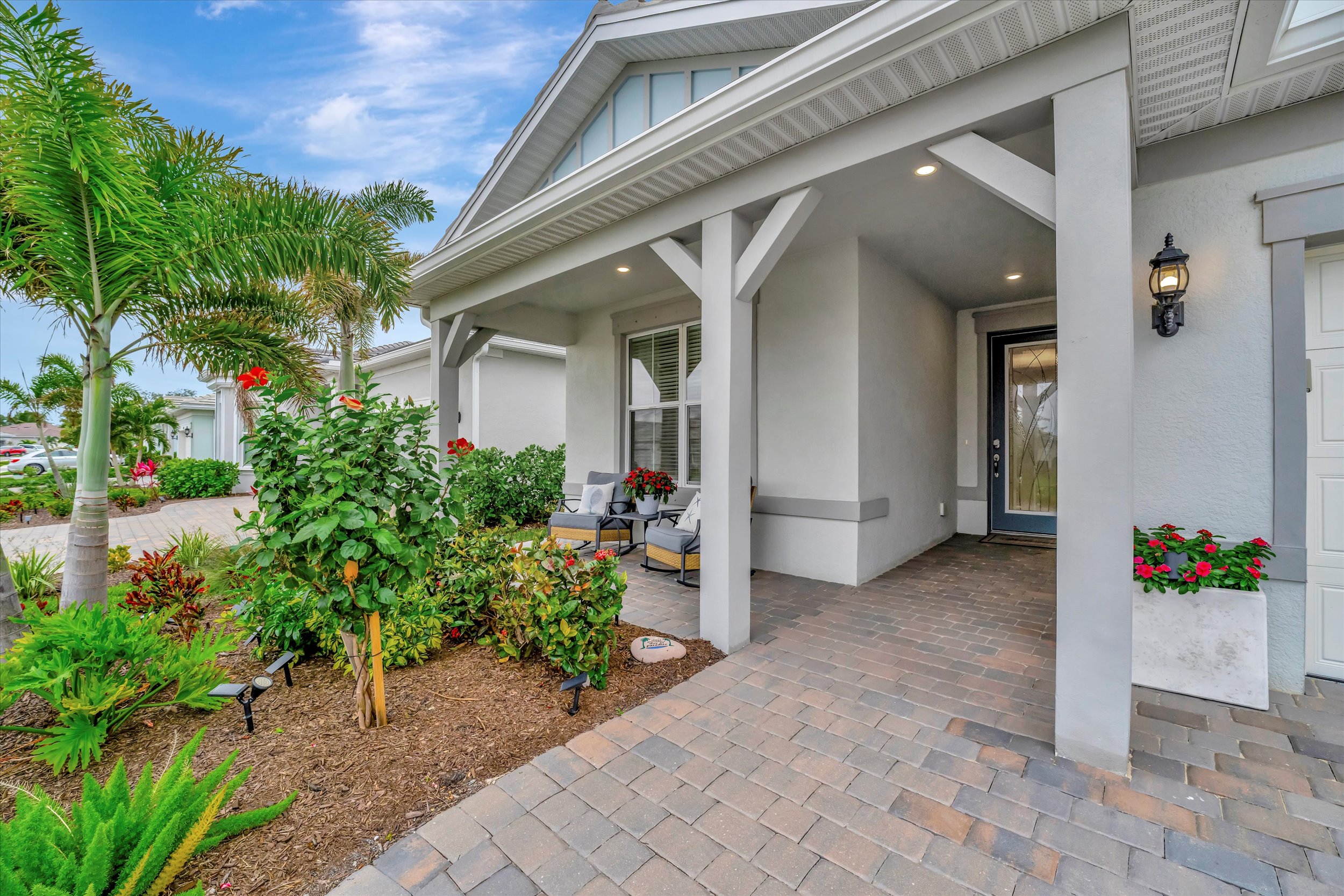
Beachwalk by Manasota Key and parts of Wellen Park are newer construction, and buyers assume newer means nothing can be wrong. Newer homes can still have missed flashing, grading problems, loose connections, and small issues the builder never finished. Newer lowers the odds. It does not erase them.
What an Inspection Finds That a Showing Never Will
A showing is about the feeling. You notice the light, the kitchen, the pool, the view. An inspection is about the systems behind the walls and above the ceiling. A licensed Florida home inspector performs a visual examination of the readily accessible systems and components of the home, such as the structure, electrical, HVAC, roof covering, plumbing, and the interior and exterior. The inspector then gives you a written opinion of the home's condition.
Here are the kinds of findings that come up on Gulf Coast homes:
- Roof condition. Staining, lifted or cracked tiles or shingles, failing flashing, and signs of past leaks. Roof age and condition affect insurance, so this one matters twice.
- Moisture. Stains on ceilings, soft spots around windows and sliders, wet drywall near the lanai, and signs of water intrusion after the storms we have had in recent seasons.
- Air conditioning. Condensate drainage problems, age and condition of the system, and ductwork issues. In Florida your AC is not a luxury, so a failing system is a real cost.
- Plumbing and water heaters. Slow leaks under sinks, corroded supply lines, and water heaters near the end of their life.
- Electrical. Panels with safety concerns, missing GFCI protection near water, and amateur wiring from earlier DIY projects.
- Windows, doors, and screens. Failed seals, rotted frames, and lanai enclosures that have taken a beating.
- Drainage and grading. Water that pools against the foundation after a rain, which matters a great deal in low-lying parts of Southwest Florida.
- Pool equipment. If the home has a pool, a pool professional can check the pump, heater, cage, and surface separately from the general inspection.
None of these show up in listing photos. Some of them show up as a slightly bigger repair bill than you planned. Others change your mind about the whole home. You want to learn that before you are the owner, not after.
Why the Seller's Disclosure Does Not Replace Your Inspection
Some buyers think, "The seller has to tell me about problems, so I am covered." Not quite.
Florida law, through the court decision known as Johnson v. Davis, requires a seller to disclose facts they actually know that materially affect the value of the home and that a buyer could not readily see on their own. That is a real protection. It also has limits. It applies to what the seller knew. It does not cover a problem the seller never discovered, and it does not cover conditions that are plainly visible. And proving what a seller knew, and when, after closing is a slow, expensive, fact-heavy fight.
The seller's disclosure is a starting point. Your inspection is how you find the things nobody told you, including things the seller honestly did not know about. Do both: read the disclosure carefully, then verify it with your own professionals.
It is also worth asking your agent to look into open permits and unpermitted work on the property, since those can follow the home to you as the next owner. Your title company and your attorney can help you understand how that works in your deal.
The Middle Paths: Staying Competitive Without Going in Blind
Here is the good news. You are not stuck choosing between "waive everything" and "lose the house." There are several ways to strengthen your offer while keeping your protection.
Inspect before you offer
In a hot situation, some buyers pay for an inspection before they submit an offer, with the seller's permission. You see the condition first, then decide how to write your offer. This costs you the inspection fee if you do not buy, but it can save you from a much larger mistake. It is not always possible on a home that already has multiple offers, so ask your agent early.
Keep the period but promise not to negotiate
This is my favorite compromise. You keep your right to cancel during the inspection period, but you tell the seller in writing that you will not ask for repairs or credits. You are only using the inspection to decide whether the house is right for you. To a seller, that looks almost as clean as a waiver. To you, it keeps the exit door open if something serious turns up, such as a major roof failure or a structural concern.
Shorten the period, but do it with a plan
If you reduce your inspection period, line up your inspector and any specialists before you submit the offer. Know who is available this week. A shorter period works when you are organized. It fails when you are scrambling on day three and cannot get anyone out in time.
Set your own repair ceiling
Some buyers decide in advance how much they are willing to absorb. For example, you might say you will accept the home as long as no single issue costs more than a dollar figure you choose with your agent. This is a personal risk decision, and it works best when you sit down with your budget before the offer, not after the report arrives.
Strengthen the rest of the offer
Inspection terms are only one piece of a competitive offer. A strong earnest money deposit, a flexible closing date that matches the seller's plans, clear proof of funds or a solid pre-approval, and a clean, simple contract can all help. A seller cares about certainty. You can offer certainty in many ways that do not require you to give up your right to know what you are buying. If you are financing, talk with a lender early about your pre-approval and timeline. You can learn more about how that process works on my financing page.
Inspections Beyond the General Home Inspection
A general inspection is the foundation, but Florida homes often need more eyes. Depending on the property, think about these additional checks during your inspection period:
- Wind mitigation and four-point inspections. Many insurance companies ask for these on older homes, and they can affect your coverage options. Ask your insurance agent which reports they want so you can order them while you still have time.
- Roof inspection by a licensed roofer. If the general inspector flags roof concerns, get a specialist opinion before your period ends.
- Wood-destroying organism (termite) inspection. Florida homes face real termite pressure, and this report is commonly ordered.
- Sewer line or drain camera. On older homes, this can reveal problems that a standard inspection will not.
- Septic and well checks. If the property is on a septic system or a well, ask for a specialist to evaluate it.
- Pool and cage inspection. Equipment, surface, and screen enclosure condition all affect your first-year costs.
Flood zone matters too. Look up the property on the FEMA Flood Map Service Center to see the mapped flood zone, and ask the seller for any elevation certificate they have. Then get insurance quotes before your inspection period ends. Insurance availability and cost are part of what you are really buying. I never quote premiums because they depend on the home and the carrier, so get real quotes from licensed insurance agents before you go under contract or while you still can cancel.
New Construction in Beachwalk and Wellen Park
If you are buying a newer home in Beachwalk by Manasota Key or Wellen Park, the same logic applies. Many new homes come with builder warranty coverage, but the terms, the time limits, and what is excluded are all in your contract, so read them closely. A third-party inspection before closing, and again before your warranty window ends, can help you document items for the builder to fix. If you are buying new construction, read my notes on the builder's contract before you sign. And one thing worth knowing: Beachwalk has no CDD fees, which is a nice financial advantage, but it does not change the need to inspect the house itself.
A Simple Way to Decide
When a buyer asks me whether to waive, I walk through five questions. Be honest with yourself on each one.
- Could you absorb a surprise repair? If a new roof, an AC replacement, or a plumbing repair would strain your budget, do not waive.
- Do you know the home's history? If you have no records on the roof, the AC, the windows, or past leaks, that is a reason to keep the inspection.
- Is the home older, or has it been through major storms? Age and weather exposure raise the odds of hidden problems.
- Can you easily go back and look again? If you live out of state, you have fewer chances to catch things yourself.
- Is the competition truly forcing your hand, or is it pressure? Sometimes a smart, clean offer with the inspection period intact wins anyway. Sellers often take certainty over a slightly higher price.
If you answered "no" to the first question or "yes" to the second through fourth, I lean strongly toward keeping some form of inspection protection, even if that means the "no repair requests" compromise. If you can truly absorb the risk and you understand exactly what you are giving up, waiving is your decision to make. I will help you make it with clear eyes. But I will not tell you it is free.
How to Choose a Good Inspector
Florida requires home inspectors to be licensed, and you can look up any inspector's license for free on the state's MyFloridaLicense.com website, run by the Department of Business and Professional Regulation. Here is how to pick well:
- Verify the license before you hire anyone.
- Ask for a sample report so you can see how clear and detailed it is.
- Ask how soon they can get on site, since your inspection clock is already running.
- Ask about their experience with the type of property you are buying, such as a coastal home, a newer build, or a home with a pool.
- Plan to attend the inspection. Walking the house with the inspector teaches you more than the report ever will, and you will understand the difference between a routine maintenance item and a real concern.
I am happy to share options when you are ready. I never require you to use any one inspector, and the choice is always yours.
What to Do After the Report Arrives
You have the report. Now what? Sort the findings into three buckets: safety and major systems, items that need repair soon, and small maintenance. Get quotes from licensed contractors for anything big so you are working from real numbers, not guesses. Then decide whether to continue as is, ask for a repair or credit, or cancel before your inspection period ends. Mark that deadline on your calendar and treat it as firm. If you miss it, you may lose your right to cancel and risk your deposit.
If you want to dig into how your deposit works, I have also written about earnest money in Venice and Englewood. It pairs well with this one.
Frequently Asked Questions
Can I still cancel after the inspection period ends in Florida?
Usually not for free. Once the inspection period in your contract ends, you generally lose the right to cancel simply because you changed your mind or found a problem. Other contract rights, such as a financing or appraisal contingency, may still apply, so read your contract and ask your agent or attorney about your specific deadlines.
How much does a home inspection cost in Venice or Englewood?
Pricing varies by inspector, the size and age of the home, and any extras like a pool or a termite report, so I do not quote one number. Get a written price from two or three licensed inspectors. Compare that cost to the size of the purchase, and you will usually see that the inspection is a small fraction of what it protects.
Do I need an inspection if I am buying new construction?
Yes, it is still a smart move. New homes can have unfinished or incorrect work, and your builder warranty and punch list process work better when you have documented findings from an independent inspector. Review your builder contract for warranty terms and deadlines.
Does a seller have to tell me about problems with the house?
A Florida seller must disclose known facts that materially affect the value of the home and are not readily observable to the buyer. That does not cover problems the seller never knew about, and it does not replace your own inspection. Use the disclosure as one tool and your inspection as another.
Ready to Make a Strong Offer Without Going in Blind?
If you are looking at homes in Venice, Englewood, Wellen Park, or Beachwalk by Manasota Key and you are weighing how to compete without taking on hidden risk, let's talk it through before you write the offer. I will walk you through your options, help you build an offer a seller will take seriously, and keep your protections in place. Browse my buyer resources, then reach out through my contact page and let's get started!
Have a great day!
Carol Burdelik
Luxury Realtor • ADTV Host • Coastal Lifestyle Expert
LPT Realty, LLC | License SL3549489
Serving Venice, Englewood, Wellen Park, Beachwalk by Manasota Key, and the Sarasota, Charlotte, and Manatee County Gulf Coast
Carol Burdelik is a licensed Florida Sales Associate. She is not a CPA, attorney, home inspector, or insurance agent, and nothing in this post is tax, legal, or insurance advice. Talk with the right licensed professional about your specific situation.
Communities
Featured Articles
Trending Articles from Southwest Florida’s Top Real Estate Team
Stay updated with our most popular real estate and luxury lifestyle articles.

Client Feedback
Read what previous homeowners have said about working with us.

Let's Connect
Get in Touch
We’re here to assist you with your real estate needs.
Say Hello
Reach out to us anytime.

Office
Luxury Homes by Carol
26040 Seastone Dr.
Englewood, FL 34223

Pushing You Forward
Our Team
Meet the dedicated professionals behind your real estate journey.


@CarolBurdelik on YouTube
Latest Youtube Videos
Get the latest videos by Carol Burdelik on her YouTube channel.
Get Started
Start Your Luxury Property Journey Today
Contact Carol for a personalized consultation and discover your dream waterfront property in Florida.