



Selling Your Venice or Englewood Home From Out of State: Remote Closing, Power of Attorney, and the Empty House
Luxury Homes By Carol Blog
Can you sell your Venice or Englewood, FL home while you live out of state?
Yes. Florida allows mail-away closings and remote online notarization, and you can also use a properly drafted power of attorney, so you can sell without flying back. Plan the paperwork and the empty house early.
Maybe you bought in Venice as a winter home and life changed. Maybe you already moved back north to be near the grandkids, or you took a job in another state and the Englewood house is sitting there with the AC humming and nobody home. Either way, you are ready to sell, and you are 1,000 miles away.
That is a very normal situation here. Plenty of homes in Sarasota and Charlotte County belong to seasonal and second-home owners. Sellers in your spot close every week without setting foot in Florida. The ones who have a smooth ride are the ones who sort out three things before they list: how they will sign, who can act for them locally, and how the empty house gets looked after until closing day.
This post walks you through all three. You will learn how a remote closing works under Florida law, when a power of attorney makes sense (and when it causes trouble), and what to put in place so a vacant house in Venice or Englewood stays safe, insurable, and ready to show.
Can you really close without coming back to Florida?
You can. Florida law is friendly to remote real estate closings, and there are three common ways to do it.
The first is a mail-away closing. The title company or closing attorney sends your seller documents to you ahead of time. You sign them in front of a notary where you live, with witnesses where Florida requires them, and ship the originals back. Your buyer closes in Florida and you never board a plane.
The second is remote online notarization, often called RON. You sign electronically on a live video call with a Florida online notary. Florida has allowed this since 2020, and many closing offices use it routinely.
The third is a power of attorney. You give a trusted person the legal authority to sign for you, and they attend closing in your place.
Which one fits depends on your timeline, how comfortable you are with technology, whether the property is or was your homestead, and what the title company handling your deal will accept. That last part matters more than most sellers expect, so we will come back to it.
Why Florida deeds need extra care
Florida has a rule that surprises sellers coming from other states. Under Section 689.01 of the Florida Statutes, a deed transferring real property has to be signed in the presence of two subscribing witnesses, in addition to being notarized.
Plenty of states only want a notary. So if you walk into your local bank in Ohio or New York and ask the notary to "just sign this deed," you might not have the two witnesses Florida requires. A deed signed without them can create a title problem that delays your closing while new documents get signed and shipped.
The good news is that the same statute now lets those witnesses appear through audio-video technology when you sign electronically. That is one reason remote online closings have become so common here.
Here's what I'd do. Before you sign anything at home, ask the closing office for written signing instructions. A good one sends a cover letter that spells out exactly which pages need witnesses, which need a notary, and how to send the originals back. Follow it to the letter.
Option one: the mail-away closing
This is the classic route, and it still works well, especially if you like paper and have a reliable notary nearby.
How it works
Once your buyer's loan or cash funds are lined up and the closing statement is close to final, the closing office prepares your seller package. It usually includes the deed, the settlement statement, an affidavit about liens and possession, tax and payoff forms, and any HOA-related documents. You sign in front of a notary and the required witnesses, then send everything back by overnight courier with tracking.
What to plan for
- Timing. Build in several business days for the package to reach you and come back. If your buyer has a firm closing date, sign early rather than on the last day.
- Witnesses. Line up two adult witnesses ahead of time. Many mobile notaries can bring them, but ask when you book.
- Original documents. The deed has to be recorded with the county, so the closing office will want the wet-ink original, not a scan.
- Your ID. Your name on the documents should match your ID and the way you hold title. If you have changed your name since you bought, tell the closing office right away.
Option two: remote online notarization
If you would rather skip the courier, RON lets you sign from your kitchen table with a laptop and a webcam.
Under Part II of Chapter 117 of the Florida Statutes, an online notary who is physically in Florida can notarize for you even when you are in another state. The notary confirms that you want Florida law to govern the notarization, verifies your identity through a remote check of your government ID plus identity questions, and records the audio-video session.
A few practical points:
- Identity questions can trip people up. The system may ask about old addresses or past loans. If you fail the check, the notary cannot go forward. Have your documents handy and take your time.
- Test your tech first. A strong internet connection, a working camera, and a quiet room make the session short and calm.
- Not every office uses RON for every deal. Ask early whether the closing office handling your sale offers it, and whether your mortgage lender, if you have a loan being paid off, has any requirements of its own.
Option three: a power of attorney
A power of attorney, or POA, lets someone you trust sign on your behalf. It can be a lifesaver when you are traveling, recovering from surgery, or simply cannot be available on closing day. It can also be the single biggest cause of last-minute delays, so treat it with care.
What Florida requires
Florida law requires a power of attorney to be signed by you and two subscribing witnesses, and acknowledged before a notary. Just as important, under Section 709.2201, your agent can only use authority that is specifically granted in the document. General "do anything I could do" language is not treated as specific authority. If your POA does not clearly cover selling real estate, it may not work for your closing.
Homestead and married sellers
If the home is, or recently was, your Florida homestead and you are married, the rules tighten. The same statute says an agent cannot convey homestead property for a married principal unless the spouse joins in the transaction. In plain terms, a POA from one spouse usually is not enough on its own.
Out-of-state powers of attorney
Florida generally honors a power of attorney signed in another state if it was valid where it was signed. There are limits, though, especially around homestead property, and a POA used to transfer Florida real estate may need to be recorded with the county. The Florida Bar has published a detailed article on how out-of-state powers of attorney apply to Florida real estate if you want to go deeper.
The step most sellers skip
Send a copy of your POA to the closing office as soon as you are under contract, and ask them to confirm in writing that they will accept it. Many closing offices and title underwriters want to review a POA well before closing. Finding out on closing day that the document is not acceptable is how deals slip by a week or more.
If you do not already have a POA that clearly covers this sale, talk with a Florida real estate attorney about drafting one. It is a modest cost compared to a delayed closing.
Taking care of the empty house
Paperwork gets the deal closed. The house itself is what gets it sold. A vacant home in Southwest Florida needs a plan, because our climate does not forgive neglect.
Humidity is the quiet threat
Turning the AC off to save money is the most expensive mistake an absent owner can make here. Florida humidity can lead to mold, musty smells, and warped wood in a closed-up house. The EPA recommends keeping indoor humidity below 60 percent, ideally between 30 and 50 percent. Keep the AC running, set to a reasonable temperature, and consider a smart thermostat or humidity sensor you can check from your phone.
Leave the power and water on through closing. Buyers expect to test every system during inspection, and the appraiser and final walk-through need working utilities too.
Check your insurance before you list
Many homeowners policies treat a vacant or unoccupied home differently than one you live in, and some limit coverage after the home has been empty for a stretch of time. The details vary by policy and carrier. Read the vacancy and unoccupancy sections of your policy and call your insurance agent before you move out, not after. Tell them the home will be listed for sale and ask exactly what is covered while it sits empty.
Plan for storm season
Atlantic hurricane season runs from June 1 through November 30. If your listing overlaps it, decide now who will close shutters if a storm is coming, who checks the house afterward, and who you will call for repairs. A buyer under contract may have rights if the property is damaged before closing, so a fast response protects your sale.
Line up local help
You will want a few people on call: someone for routine house checks, a handyman for small repairs, a landscaper or lawn service, and a pool service if you have a pool. I am happy to share options from people I have worked with, and you pick whoever you are most comfortable with. Nothing about selling requires you to use any particular vendor.
Showing and marketing a home you are not living in
An empty house can actually show beautifully. You control the timing, there is no clutter, and showings can happen on short notice.
A few things help a vacant listing in Venice or Englewood:
- Staging, even light staging. Empty rooms can look smaller in photos. A few well-placed pieces help buyers picture the space.
- Professional photos and video. Many buyers here are relocating from out of state themselves, and they shop online first.
- A secure lockbox. Cooperating agents can show the home without anyone needing to meet them there.
- Regular eyes on the property. I walk my listings, send owners video updates, and let you know if anything looks off after a showing or a storm.
If you are leaving the home furnished, decide early what stays and what goes. Buyers here often want furniture, golf carts, or patio sets included. Whatever you agree to, spell it out in the contract so there is no confusion at the final walk-through.
Your remote-seller timeline
Every sale is different, but here is the order that keeps out-of-state sellers out of trouble:
- Before you list: confirm how title is held, gather your HOA contact and mortgage payoff information, call your insurance agent about vacancy, and decide whether you will sign by mail, by RON, or by POA.
- At listing: set up house checks, keep utilities on, and get keys, garage remotes, and any community access devices to your agent.
- Once under contract: send your POA (if using one) to the closing office for approval, confirm your signing method, and give the closing office a phone number where you can always be reached.
- A week or so before closing: review the settlement statement, confirm your wire instructions by phone, and schedule your notary or RON session.
- Closing day: your documents are already signed and back in Florida, the buyer does the final walk-through, and the deed gets recorded.
Protect your proceeds from wire fraud
Remote sellers are a favorite target for wire fraud, because so much of the deal happens by email. Criminals send fake messages that look like they came from the title company, asking you to "update" your bank details.
Here is the rule I give every seller. Give your bank information to the closing office by phone or through their secure portal, and confirm it by calling a number you found yourself, not one in an email. If anyone emails you new wiring instructions or asks you to change where your money goes, stop and call the closing office directly before you do anything.
Taxes and special situations
Selling from out of state can come with tax questions, such as capital gains, the end of a homestead exemption, or withholding rules if you are not a U.S. person for tax purposes. Those depend on your own situation, so talk with a CPA or tax professional before you list. The closing office can tell you what forms they need from you, and your tax advisor can tell you what they mean for you.
If you are weighing your next move, or wondering whether to sell now or hold, my seller services page walks through how I plan a sale from start to finish.
Frequently asked questions
Do I have to attend closing in person to sell my house in Florida?
No. Florida sellers commonly close by mail with a local notary and witnesses, through remote online notarization with a Florida online notary, or through a valid power of attorney. Ask the closing office handling your sale which methods they accept and get their signing instructions in writing.
Can a family member sign for me at closing in Venice or Englewood?
Yes, if you give them a power of attorney that meets Florida's requirements and specifically grants authority to sell the property. If the home is homestead property and you are married, your spouse usually has to join. Send the POA to the closing office early so they can confirm they will accept it.
Should I keep the air conditioning on in my vacant Florida home?
Yes. A closed-up house in Southwest Florida can develop mold and humidity damage fast without AC. Keep it running at a reasonable setting, keep the water and power on for inspections and the final walk-through, and have someone check the house regularly.
Does my homeowners insurance cover a vacant home while it is for sale?
It depends on your policy. Many policies limit coverage when a home has been vacant or unoccupied for a period of time. Read your policy's vacancy terms and call your insurance agent before you move out so you know exactly what is covered while the home is listed.
Ready to sell from wherever you are?
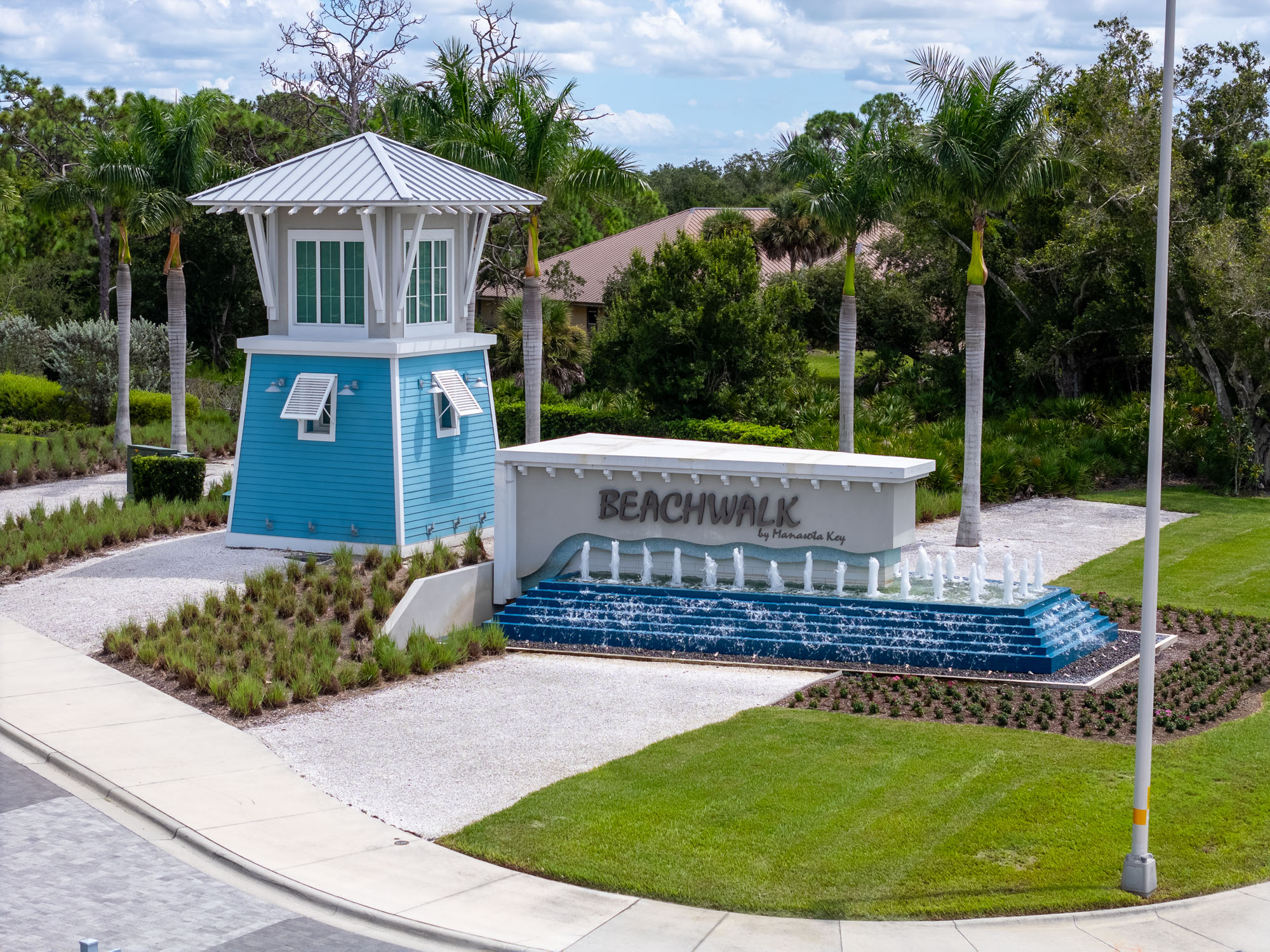
You do not have to be in Florida to sell well here. You need a plan for signing, a plan for the house, and someone local who treats your property like their own. That is what I do every week for owners in Venice, Englewood, Beachwalk by Manasota Key, and Wellen Park who live somewhere else.
If you are thinking about selling from out of state, fill out my contact form and tell me where you are and when you would like to close. We will map out the whole thing together, start to finish.
Have a great day!
Carol Burdelik
Luxury Realtor • ADTV Host • Coastal Lifestyle Expert
LPT Realty, LLC | Florida License SL3549489
Serving Venice, Englewood, Beachwalk by Manasota Key, Wellen Park, and Sarasota and Charlotte Counties
This post is for general information only. Sources: Florida Statutes Sections 689.01 and 709.2201 and Chapter 117 Part II (Florida Senate), The Florida Bar Journal, and the U.S. Environmental Protection Agency, as linked above. Carol Burdelik is a licensed Florida real estate Sales Associate, not a CPA, attorney, or insurance agent. Nothing in this post is tax, legal, or insurance advice. Laws and policies change, so confirm your situation with a Florida real estate attorney, your tax professional, your insurance agent, and the closing office handling your sale.
Communities
Featured Articles
Trending Articles from Southwest Florida’s Top Real Estate Team
Stay updated with our most popular real estate and luxury lifestyle articles.

Client Feedback
Read what previous homeowners have said about working with us.

Let's Connect
Get in Touch
We’re here to assist you with your real estate needs.
Say Hello
Reach out to us anytime.

Office
Luxury Homes by Carol
26040 Seastone Dr.
Englewood, FL 34223

Pushing You Forward
Our Team
Meet the dedicated professionals behind your real estate journey.

@CarolBurdelik on YouTube
Latest Youtube Videos
Get the latest videos by Carol Burdelik on her YouTube channel.
Get Started
Start Your Luxury Property Journey Today
Contact Carol for a personalized consultation and discover your dream waterfront property in Florida.