




Buying a Canal or Waterfront Home in Englewood or Venice: Seawall, Dock and Lift Checks Before You Close

Luxury Homes By Carol Blog
What should you check before buying a canal or waterfront home in Englewood or Venice, Florida? Inspect the seawall, dock and boat lift separately from the house, pull their permit history, and confirm water depth and bridge clearance for your boat before your inspection period ends.
You found it. A canal home in Englewood or South Venice with a dock out back, a lift waiting for your boat, and a sunset view across the water. You can already picture the morning coffee on the lanai and the quick run out to Lemon Bay.
Here is the part most out-of-state buyers do not hear until it is too late. On a waterfront home, the most expensive structure on the lot may not be the house. It is the seawall. And a standard home inspection usually does not look at it closely, if it looks at it at all.
After Helene and Milton, a lot of seawalls, docks and lifts along our stretch of the Gulf Coast took a beating. Some were repaired the right way. Some were patched. Some still look fine from the yard and have real problems below the waterline. So let's walk through what I check, in the order I check it, before any of my buyers commit to a waterfront home.
Why the waterfront structures deserve their own inspection
When you buy a canal home, you are really buying three things. The house. The lot. And the marine structures that hold the lot in place and get you onto the water.
The seawall keeps your backyard from sliding into the canal. The dock is your front door to the water. The boat lift protects your boat from storms, barnacles and constant wear. Each one has its own age, its own materials, its own permit history and its own repair cost.
A general home inspector is trained on roofs, wiring, plumbing and air conditioning. Some will glance at the seawall and note visible cracks. Very few will get in the water, measure anything, or tell you how many years the wall has left. That is a different specialty.
So my rule is simple. On any waterfront home in Venice, Englewood or Manasota Key, plan for a separate marine inspection by a licensed marine contractor or an engineer who works on seawalls. Do it inside your inspection period, not after.
The seawall: what to look at first
Most canal seawalls around here are concrete panels with a concrete cap on top, tied back into the yard. Some older walls are different, and some newer ones use vinyl or other materials. Your inspector will tell you what you have. What you want to know is how it is aging.
Signs worth asking about
- Cracks in the cap or panels. Hairline cracks are common. Wide or growing cracks, or rust stains bleeding out of the concrete, can mean the steel inside is corroding.
- Gaps between panels. If you can see light or soil between panels, fill may be washing out from behind the wall.
- Sinkholes or soft spots in the yard near the wall. Low spots, depressions or pavers that keep settling behind the seawall are a classic sign that soil is escaping.
- Leaning. A wall that tips toward the water, even a little, is telling you something about its tiebacks.
- Exposed or broken tiebacks. These anchor the wall into the yard. If they fail, the wall can rotate outward.
- Erosion at the base. The inspector may check the toe of the wall below the waterline, where scouring can undercut it.
Ask about repairs, and ask for the paperwork
Ask the seller when the seawall was built or last replaced, and whether any repairs were done after the 2024 storms. Then ask for the permit and the contractor invoice.
A repaired cap, a new section of panels, or a rebuilt wall should have a paper trail. If the seller says the wall was fixed and there is no permit, that is worth a closer look. It does not always mean the work was bad. It does mean nobody signed off on it.
Here's what I'd do. Get the marine inspector's written opinion on the wall's condition and remaining life. If the report raises concerns, get a written estimate from a licensed contractor. Then you are negotiating with real numbers, not guesses.
The dock: condition, size and permits
Docks in our canals take sun, salt, storms and constant moisture. Wood docks age differently than composite decking. The pilings underneath matter as much as the boards on top.
What your inspector should look at
- Pilings. Look for rot, marine borer damage, splitting, or wrapping that has failed.
- Framing and fasteners. Corroded bolts and brackets can let a dock sag or loosen.
- Decking. Soft boards, missing boards, and trip hazards.
- Electrical on the dock. Outlets, lighting and lift wiring near water need to be done right. More on that below.
Why dock size and permits matter to you as a buyer
Florida has rules about docks over state waters. Under Florida Statute 403.813, certain private residential docks can be exempt from a state environmental permit when they meet conditions, including a size limit. The statute sets that limit at 1,000 square feet or less of over-water surface area in most waters, and 500 square feet or less in Outstanding Florida Waters. Docks in artificially created waterways have their own exemption language.
Why should a buyer care? Because if a prior owner expanded a dock, added a second boat lift, or built something larger than what was permitted, that issue can follow the property. It can also affect what you are allowed to rebuild later.
Local building permits are a separate layer. The county or city where the home sits handles those. Ask your agent to help you pull the permit history for the dock, the lift and the seawall, not just the house.
The boat lift: the part buyers forget to test
A lift that looks fine at a showing can still have tired cables, worn motors or a weak frame. And replacing a lift is real money.
Ask the seller for the lift's age, its rated capacity, and any service records. Then compare the capacity to your boat. A lift rated for a smaller boat is not a match for a heavier one, no matter how good it looks.
During your inspection, have someone run the lift all the way up and all the way down. Listen for grinding. Watch the cables. Check the motor housing and the switch. If it does not run, that belongs in your repair conversation.
Wiring on lifts and docks
Electrical work near water is not a place to cut corners. In Charlotte County, the county has posted a notice explaining that marine permits involving electrical work need a licensed electrical contractor, and that wiring installed without one can be treated as unpermitted. You can read the county's notice on permitting for docks, boatlifts and seawalls.
That matters for buyers on the Charlotte County side of Englewood. If a lift was installed or rewired without the right permits, you want to know before you own it. On the Sarasota County side, ask the same questions about who did the electrical work and whether it was permitted.
Depth, bridges and the route to open water
My rule on waterfront: depth, bridge clearance and erosion change street to street. Two homes on canals a few blocks apart can offer a very different boating life.
Water depth at the dock
Ask what the depth is at the dock at low tide, and how the canal depth runs out to the main channel. Shallow spots can limit what boat you can run and when you can run it. A boater who wants to go out any time will care a lot about this.
Bridge clearance
If your canal route passes under a fixed bridge, the clearance at high tide decides how tall your boat can be. Measure your boat, including any T-top, tower or antenna. Then confirm the clearance on your route. This is one of the most common surprises I see with buyers who are bringing a boat from up north.
Time to the Gulf
Ask how long the run is to open water and what the no-wake zones look like along the way. In Englewood, many canal routes lead toward Lemon Bay and out through Stump Pass. In Venice, routes vary a lot by neighborhood. A short, open run and a long, slow one are very different daily experiences.
The best way to learn this is to go. If you can, ride the route by boat before you buy. If you are buying from out of state, ask your agent to video the route for you.
Flood zone, elevation and insurance on waterfront homes
Waterfront homes sit at the front line of storm surge. That shows up in your flood zone, your elevation and your insurance costs.
Look up the property's flood zone on the FEMA Flood Map Service Center, and ask the seller for an elevation certificate if one exists. Ask whether the home has ever taken water, and whether there have been any flood insurance claims. Florida sellers have disclosure duties on flood history, and you want those answers in writing.
Then get real insurance quotes on the exact address before your inspection period ends. That includes homeowners, wind and flood. I never quote premiums, because they depend on the home, the elevation and the carrier. Ask your insurance agent how the seawall, dock and lift are handled, since coverage for structures at the water's edge can be limited.
If you are looking at an older waterfront home and plan to renovate, ask about the FEMA 50 percent rule too. In a flood zone, a big enough renovation can require bringing the whole house up to current flood standards. That can change your plans in a big way.
How to fit all of this into your inspection period
Here is the catch. Your inspection period is short, and marine contractors are busy, especially after storms and in season. Waterfront buyers need a plan from day one.
Here is the sequence I use with my buyers:
- Before the offer. Ask the seller for seawall, dock and lift ages, permits, repair invoices, and any elevation certificate. Get a rough insurance read from your agent.
- Day one under contract. Book the general home inspection and the marine inspection. Ask both inspectors when they can come and when you will have the reports.
- First week. Pull permit history for the house, seawall, dock and lift. Confirm depth and bridge clearance for your boat.
- Before the period ends. Get written estimates for anything the marine inspector flags. Get your insurance quotes in hand. Decide whether to move forward as is, ask for a repair or credit, or cancel within your contract terms.
Every day matters here. A marine report that lands the day after your inspection period ends is information you can no longer act on.
Negotiating when the seawall or dock needs work
Finding a problem is not a reason to panic. It is a reason to negotiate with good information.
Ask for a credit or price adjustment
If the marine inspector says the seawall has limited life left, a written contractor estimate gives you a real number to bring to the table. Many buyers prefer a credit or price adjustment so they can choose their own contractor and timeline after closing. Check with your lender first if you are financing, since not every credit is treated the same way.
Ask the seller to repair
Some sellers would rather fix it. If they do, ask for the permit, the contractor information, and a final inspection sign-off before closing. Marine work can take time, so make sure the timeline fits your closing date.
Walk away if it does not fit
Sometimes the answer is no. If the wall needs a full replacement and the numbers do not work for you, your contract may let you cancel during the inspection period. That is exactly why the timing matters so much.
Cash buyers, this applies to you too. A lot of my waterfront buyers pay cash, and cash gives you flexibility. It does not give you protection. The marine inspection is still your best tool.
Questions to ask before you write the offer
- When was the seawall built or last replaced? Is there a permit?
- Were any seawall, dock or lift repairs done after the 2024 storms? Who did them, and were they permitted?
- How old is the boat lift, what is its rated capacity, and when was it last serviced?
- What is the water depth at the dock at low tide?
- Are there fixed bridges between the dock and open water, and what is the clearance?
- What flood zone is the home in, and is there an elevation certificate?
- Has the home ever taken water, and have there been any flood claims?
- Does the HOA, if there is one, have rules about docks, lifts or boat storage?
None of these questions are pushy. Listing agents get them every week on waterfront homes. Clear answers build confidence. Vague answers tell you where to inspect harder.
Is a canal home the right fit, or would a different setup work better?
Not every boater needs a canal home. Some buyers find that a home in a community near the water, with a nearby marina or boat ramp, gives them most of the lifestyle without owning a seawall. Others would never give up stepping off the lanai and onto their boat.
That is a personal choice, and there is no wrong answer. What matters is that you go in knowing the full cost of ownership. On a waterfront home, that includes the seawall, the dock, the lift, insurance, and the time it takes to keep it all in shape. If you want to compare waterfront living with other options, my communities page is a good place to start, and my buying page walks through how I work with buyers from first call to closing.
Frequently asked questions
Does a regular home inspection cover the seawall and dock in Florida?
Usually not in any real depth. A general home inspector may note visible issues, but a seawall, dock and boat lift are best evaluated by a licensed marine contractor or an engineer who works on these structures. Schedule that inspection inside your inspection period so you can still negotiate or cancel based on what it finds.
How do I know if a seawall needs to be replaced before I buy?
Look for warning signs like wide cracks, rust stains, gaps between panels, leaning, and sinking soil behind the wall. Then get a written opinion from a marine inspector on its condition and remaining life. If repairs are recommended, ask a licensed contractor for a written estimate so you can negotiate with real numbers.
Do I need a permit to repair a dock or boat lift in Englewood?
Often yes, and the rules depend on the work and the location. Local building permits are handled by the county or city, and state rules can apply to docks over state waters. In Charlotte County, marine permits involving electrical work need a licensed electrical contractor. Ask the local permitting office before any work starts.
What should boaters check about a canal before buying a home?
Check water depth at the dock at low tide, the depth along the route to the main channel, any fixed bridge clearances, and how long the run takes to open water. Measure your boat, including any T-top or tower. Ride or video the route before you commit if you can.
Thinking about a waterfront home in Englewood or Venice?
Waterfront living here is something special. It also comes with its own checklist, and the buyers who enjoy it most are the ones who handled that checklist before closing. If you are looking at a canal or waterfront home in Englewood, Venice, Manasota Key or anywhere along the Sarasota and Charlotte County coast, I would love to help you sort out the seawall, dock and boating questions before you write an offer.
Reach out through the contact form at luxuryhomesbycarol.com/contact and tell me what you are looking at and what kind of boat you are bringing. We will take it one step at a time.
Have a great day!
Carol Burdelik
Luxury Realtor • ADTV Host • Coastal Lifestyle Expert
LPT Realty, LLC • Florida License SL3549489
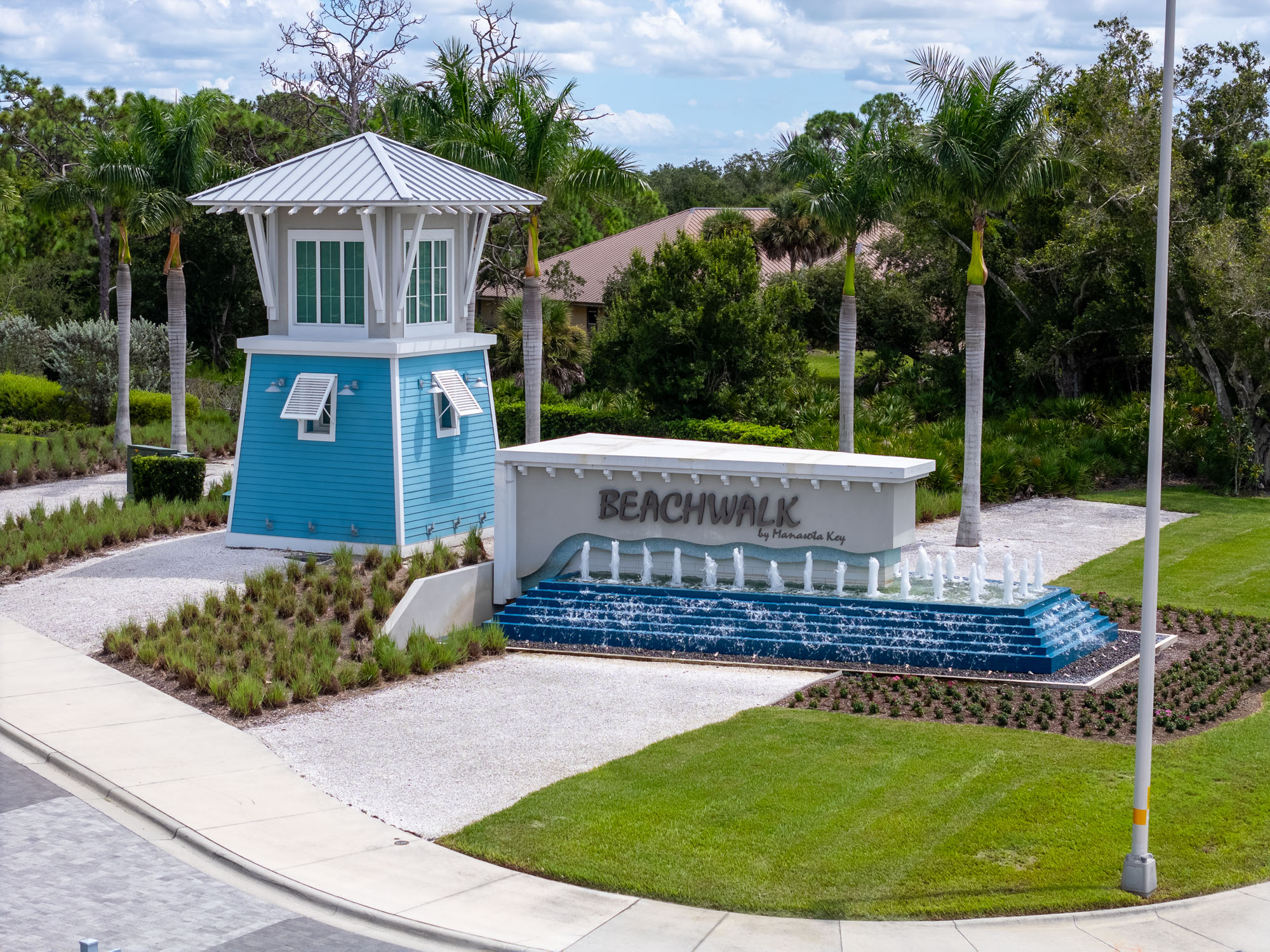
Serving Venice, Englewood, Wellen Park, Beachwalk by Manasota Key, Manasota Key, and the Sarasota and Charlotte County coast
This post is informational only. Sources: Florida Statute 403.813 (Florida Senate), Charlotte County Community Development notice on dock, boatlift and seawall permitting, and the FEMA Flood Map Service Center. Carol Burdelik is a licensed Florida real estate Sales Associate, not a CPA, attorney, engineer, marine contractor, home inspector, or insurance agent. Nothing in this post is tax, legal, engineering, or insurance advice. Permit rules and coverage vary by property and location, so confirm the details for your home with the local permitting office and licensed professionals before you rely on them.
Communities
Featured Articles
Trending Articles from Southwest Florida’s Top Real Estate Team
Stay updated with our most popular real estate and luxury lifestyle articles.

Client Feedback
Read what previous homeowners have said about working with us.

Let's Connect
Get in Touch
We’re here to assist you with your real estate needs.
Say Hello
Reach out to us anytime.

Office
Luxury Homes by Carol
26040 Seastone Dr.
Englewood, FL 34223

Pushing You Forward
Our Team
Meet the dedicated professionals behind your real estate journey.


@CarolBurdelik on YouTube
Latest Youtube Videos
Get the latest videos by Carol Burdelik on her YouTube channel.
Get Started
Start Your Luxury Property Journey Today
Contact Carol for a personalized consultation and discover your dream waterfront property in Florida.