







Cash Offer or Financed Offer: How Venice and Englewood Sellers Should Compare Them

Luxury Homes By Carol Blog
Should you take the cash offer or the financed offer when you sell in Venice or Englewood? Take the offer most likely to actually close at the best net, not the one labeled cash. A verified cash offer with proof of funds usually wins on certainty, but a strong financed offer often wins on price.
You listed the house. Showings went well. Now you have two offers on the kitchen counter and they are not close to the same. One is cash, quick close, and about twenty thousand under your asking price. One is financed, wants 45 days, and comes in at full price.
Most sellers I work with in Venice and Englewood assume this is a simple question. Cash is safer, so cash wins. Sometimes that is right. Plenty of times it is not, and the seller leaves real money behind because nobody walked them through what each offer is actually promising.
Here is how I compare them, in the order that matters. By the end of this you will know what to ask for before you sign anything, and which of the two offers on your counter is genuinely the stronger one.
Why Venice and Englewood sellers face this more than most
Nationally, all cash buyers have made up somewhere in the mid to high twenties as a percentage of existing home sales through 2026, according to the National Association of Realtors Confidence Index. That is the national picture.
Our corner of the Gulf Coast runs well above it. Sarasota and Charlotte County draw second home buyers, seasonal owners, and out of state relocation buyers who have just sold a house up north and are sitting on the proceeds. A lot of them do not need a loan and do not want one.
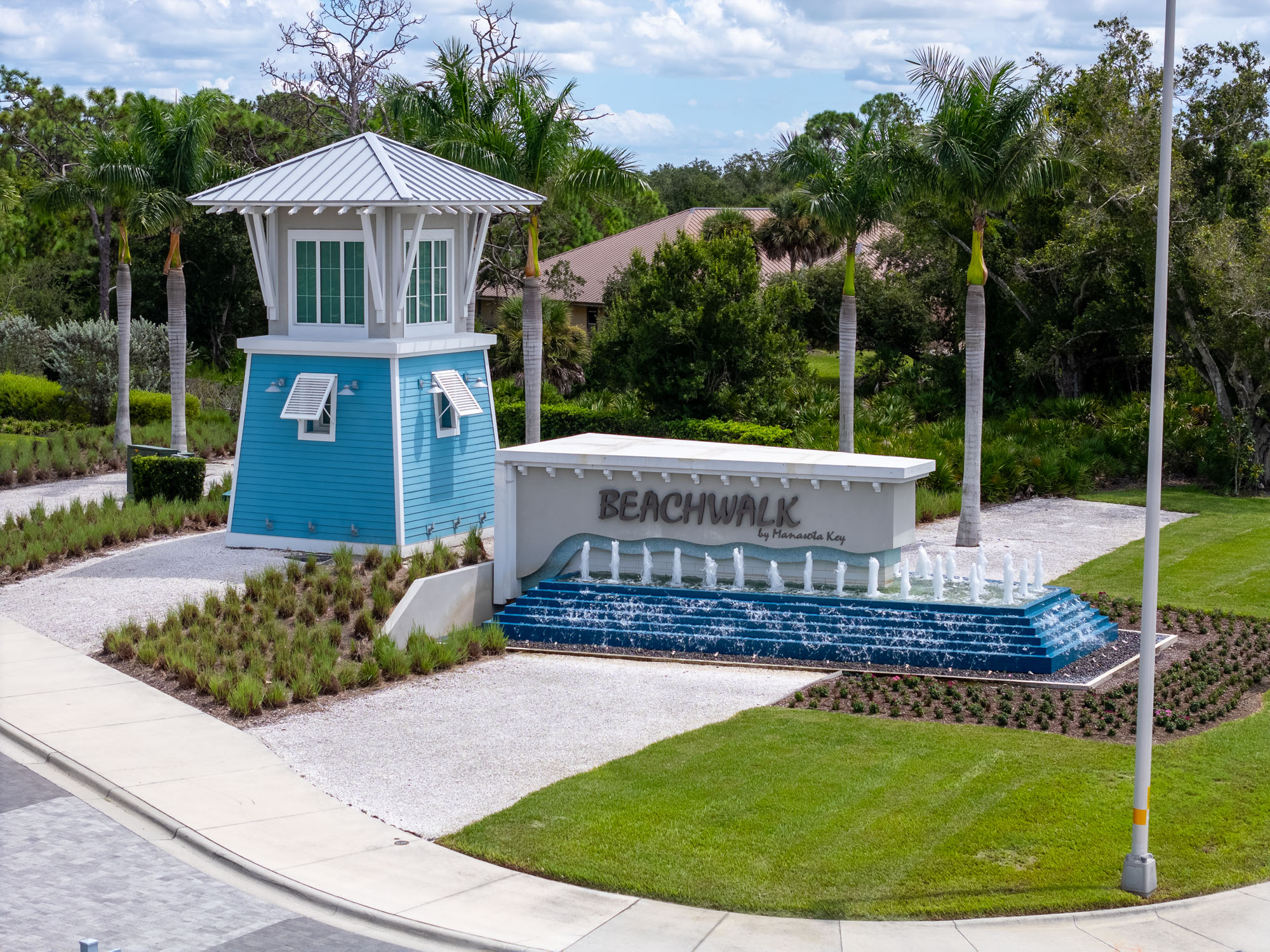
So if you are selling in Venice, Englewood 34223, Wellen Park, or Beachwalk by Manasota Key, the odds are good that at least one of your offers is cash. This is not a rare scenario here. It is a Tuesday.
That also means cash buyers in our market know they have leverage, and many of them price their offer accordingly. Which is exactly why you need a framework instead of an instinct.
What "cash" actually means on a Florida contract
Cash means the buyer is not borrowing to close. It does not mean the deal cannot fall apart. It does not mean there are no contingencies. And it does not mean the money is definitely there.
On a Florida AS IS Residential Contract for Sale and Purchase, a cash offer simply leaves the financing section unused. Everything else still applies. The inspection period still exists. The title work still has to come back clean. The buyer can still walk.
Proof of funds is the whole ballgame
A cash offer without verified proof of funds is a wish. Proof of funds is normally a recent bank or brokerage statement, or a letter from the financial institution, showing liquid money at least equal to the purchase price plus closing costs.
Two things I look for every time. First, the statement should be dated inside the last 30 days, because a statement from last spring proves nothing about today. Second, the funds need to be liquid. A retirement account balance, a line of credit that has not been drawn, or equity in a house that has not sold yet is not the same as cash sitting in an account.
If the proof of funds is a screenshot with the account number blacked out and no institution name, that is not proof. I ask the buyer's agent for something better before we counter. A serious cash buyer produces it in an hour.
Cash does not mean no inspection
This is the most common misread I see. Sellers hear cash and picture a buyer who does not care about the roof. In reality, most cash buyers in Venice and Englewood inspect harder than financed buyers, because there is no lender forcing a standard and they are spending their own money.
The inspection period on the AS IS contract is the buyer's free look. During that window they can cancel for essentially any reason and get their deposit back. A 15 day inspection period on a cash offer is 15 days where your house is off the market and the buyer holds all the cards.
So when you compare offers, compare inspection periods. A cash offer with a 20 day inspection period is less certain than a financed offer with a 7 day inspection period, at least for those first three weeks.
What a financed offer actually risks
A financed offer adds two things that can kill a deal: loan approval and the appraisal. Both are real. Neither is automatic disaster.
The loan approval period
Under the standard Florida contract, the buyer applies for financing within a set number of days after the effective date (five days if the blank is left empty), then has a loan approval period to get approved. Florida Realtors walks through the mechanics in its analysis of the financing contingency, and it is worth understanding before you sign.
If the buyer properly cancels inside that window because the loan was denied, the contract ends and the buyer gets the deposit back. You get nothing except lost market time. That is the risk you are taking on.
Here is what I do about it. I ask for a shorter loan approval period. A buyer whose file is genuinely clean can often live with 21 or 25 days instead of 35 or 40. If their lender will not shorten it, that tells you something useful about how solid the approval really is.
I also want to know what kind of pre approval we are looking at. There is a real difference between a one page letter generated from a self reported application and a fully underwritten approval where a human has already reviewed income, assets, and credit. Ask. The answer changes how much that offer is worth.
The appraisal
With financing comes an appraisal, and with an appraisal comes the chance it lands below your contract price. If the buyer has an appraisal contingency and the number comes in low, you are renegotiating, splitting the difference, or starting over.
Cash buyers can still order an appraisal, but they are not bound by it unless the contract says so. That is a genuine point in the cash column, and on a house that is priced at the top of its comparable range it is not a small one.
One middle path worth asking for: an appraisal gap provision, where the financed buyer agrees to cover a set dollar amount above appraised value out of pocket. A buyer who is serious about your house will often agree to it. That single paragraph can make a financed offer nearly as certain as cash.
The four things to compare, in this order
1. Certainty of closing
Ask one question about each offer: what is the most likely reason this deal dies, and how exposed am I to it? For cash, it is usually the inspection period or a buyer who was never as liquid as the offer claimed. For financed, it is the loan or the appraisal.
Then look at what each buyer has put at risk. Earnest money tells you a lot. A buyer putting down one percent is telling you they will walk without much pain. A buyer putting down five or ten percent, with a portion going non refundable after inspection, is telling you they intend to close.
2. Net proceeds, not price
Price is the headline. Net is the number that hits your account. Before you decide anything, have your agent run a side by side seller net sheet on both offers, with every line filled in.
The costs that move between two offers are the ones to watch: seller paid closing cost concessions, repair credits, a home warranty, rent back terms, and commission if it differs. The rest of your seller costs stay roughly the same either way.
Those fixed costs include documentary stamp tax on the deed, which in every Florida county except Miami-Dade runs $0.70 per $100 of the sale price per the Florida Department of Revenue. On a $600,000 sale that is $4,200, and it does not care whether your buyer is borrowing.
Your prorated property taxes, any HOA or condo estoppel charge, and your commission also stay put. If your community requires an estoppel certificate, Florida law caps what the association can charge and requires it be issued within 10 business days of a proper request, which Florida Realtors summarizes here. Worth knowing, because a slow association can delay a cash closing just as easily as a financed one.
One local wrinkle to confirm on your net sheet: who pays for the owner's title insurance policy is county custom, not law, and it flips across our market. In Sarasota County the buyer customarily pays and picks the closing agent. In Charlotte County the seller customarily pays. Englewood 34223 straddles that county line, so on two houses a few miles apart the same offer can net you differently. Ask your closing agent to confirm which custom applies to your parcel, and remember it is negotiable in the contract either way.
3. Timeline
Cash can close in two to three weeks once title work is done. Financed usually needs 30 to 45 days. Faster is only better if faster helps you.
If you are buying your next house and need the proceeds, a 21 day cash close that leaves you homeless is not a win. If you are a snowbird heading back north in three weeks and want this done before you go, it is worth real money.
And if you need more time, say so in the counter. A post closing occupancy agreement, sometimes called a rent back, can buy you one to four weeks in the house after closing. Many cash buyers here are flexible about it because they are not moving in immediately.
4. Contingencies and outs
Line up every contingency in both offers on one page. Inspection period length. Financing and appraisal, if any. Sale of the buyer's current home, which is a large hidden risk and shows up more than people expect. Insurance, which in our market is a legitimate contingency after a buyer gets quotes on an older roof.
Count the doors each buyer can walk out of, and how long each door stays open. The offer with fewer open doors for less time is the more certain offer, cash or not.
When the financed offer is the better offer
It is the better offer more often than sellers expect. Take it seriously when several of these line up.
- The buyer is fully underwritten, not just pre qualified, and the lender will confirm it.
- The loan approval period is short, 21 to 25 days rather than 40.
- They are putting meaningful earnest money down, and some of it goes hard after inspection.
- They agreed to an appraisal gap, or waived the appraisal contingency outright.
- Their down payment is large, which means the loan is smaller relative to value and the appraisal has more cushion.
- The price difference is real money to you after you run both net sheets.
A financed buyer with 40 percent down, a 21 day approval period, and an appraisal gap is, in practice, about as safe as a cash buyer with a 20 day inspection period. If they are also paying twenty five thousand more, the choice gets easy.
When the cash offer wins, even at a lower price
Sometimes certainty is genuinely worth paying for. The cash offer deserves to win when:
- You have already been under contract once and it fell apart, and you cannot afford more days on market.
- The house has a condition issue a lender may balk at, such as an aging roof, an open permit, or a four point inspection that will not come back clean.
- You are selling a condo in a building with reserve or milestone inspection questions, where conventional financing gets complicated.
- You have a hard deadline, such as a closing on your next house or a return date north.
- Carrying costs are eating you. Every extra month of taxes, insurance, HOA dues, and utilities on a vacant house shrinks the gap between the two offers.
- The cash buyer has short contingencies and verified liquid funds, so the certainty is real and not just a label.
Run the math on that last point rather than guessing at it. If carrying the house costs you $2,200 a month and the financed offer is $15,000 higher but adds a month of risk and a month of carrying, the gap is smaller than the headline suggests. That is a number you can actually decide on.
The cash offers that are not really offers
Not every cash offer comes from a buyer who wants to live in your house. Some come from wholesalers who intend to put your house under contract, then sell that contract to someone else for a markup.
Three things give it away. An assignment clause, or language letting the buyer assign the contract to another party. A long inspection period, 21 or 30 days, which is really shopping time. And thin earnest money, because they are not planning to risk anything.
There is nothing illegal about assignable contracts, and I am not telling you to reject one. I am telling you to price the risk honestly. If a buyer needs a month to find someone else to buy your house, that is not a certain close, and it should not be valued like one.
The same goes for the "we buy houses" and instant offer programs. They serve a purpose for a seller who needs speed above everything. Just compare their number against a properly marketed sale, net of fees, before you accept it. That comparison is exactly what a seller net sheet is for, and it is one of the first things I put together when we talk about selling your Venice or Englewood home.
How I actually run this with my sellers
When more than one offer comes in, I do the same four things every time.
First, I verify. Proof of funds on the cash offer, dated and liquid. Pre approval details on the financed offer, and a call to the lender to hear how solid the file is.
Second, I build one page with both offers side by side. Price, net proceeds, earnest money, inspection period, loan and appraisal terms, closing date, occupancy, and every contingency listed out. Seeing them in columns changes people's minds more often than any advice I give.
Third, we counter. Almost always. You can counter a cash offer on price while keeping the short timeline. You can counter a financed offer to shorten the approval period, add an appraisal gap, and raise the deposit. Most sellers accept or reject when they should have been negotiating terms.
Fourth, we decide based on your situation, not a rule of thumb. A seller who has already moved out and is carrying the house has different math than a seller who needs 30 more days in the home. Same two offers, different right answer.
If you want to see what that side by side looks like for your house, you can set up a time to talk it through before you are in the middle of it. The sellers who do best with multiple offers are the ones who knew their numbers before the offers arrived.
Frequently asked questions
Do cash buyers in Florida really close faster?
Usually yes, because there is no lender underwriting, no appraisal ordering, and no loan documents to wait on. A cash sale in Venice or Englewood can often close in two to three weeks once the title search is complete. The limiting factors become title work, survey if ordered, and any HOA or condo estoppel that the association has to produce.
Can I ask a cash buyer for proof of funds before I accept?
Yes, and you should. Asking for a current statement or an institution letter showing liquid funds at least equal to the purchase price is completely standard, and a legitimate buyer will not be offended. If the request is met with delay or excuses, that is useful information before you take your house off the market rather than after.
Should I accept a lower cash offer over a higher financed offer?
Only after you compare net proceeds, not list price, and weigh how likely each deal is to close. Run both offers through a seller net sheet, then subtract the cost of the extra time and risk the financed offer carries. Sometimes the cash offer still wins. Often the gap is smaller than it looks and the financed offer nets you more.
What happens to my deal if the buyer's loan is denied?
If the buyer properly invokes the financing contingency inside the loan approval period, the contract terminates and they typically receive their deposit back, and your house goes back on the market. If they miss the deadline and then fail to close, you may have a claim to the deposit, though that depends entirely on the contract language and the facts. Talk to your closing agent and, if there is a dispute, a real estate attorney.
Does it cost me more as a seller when my buyer uses a mortgage?
Your core seller costs are largely the same either way. Documentary stamp tax on the deed, prorated taxes, estoppel charges, and commission do not change based on how the buyer pays. What can change is what you agree to contribute, such as closing cost concessions or repair credits, and those are negotiable line items in both cash and financed deals.
Ready to compare your offers the right way?
If you are thinking about selling in Venice, Englewood, Wellen Park, or Beachwalk by Manasota Key, do not wait until two offers are sitting in front of you to figure out how you will choose between them. Know your net, know your timeline, and know what you will ask each buyer to prove.
I am happy to build you a seller net sheet and walk through what today's buyers in Sarasota and Charlotte County are actually offering. Reach out through the contact form at luxuryhomesbycarol.com/contact and let's get you set up.
Have a great day!
Carol Burdelik
Luxury Realtor • ADTV Host • Coastal Lifestyle Expert
LPT Realty, LLC • Florida License SL3549489
Serving Venice, Englewood, Wellen Park, Beachwalk by Manasota Key, Nokomis, Osprey, Manasota Key, and Sarasota, Charlotte, and Manatee Counties
Carol Burdelik is a licensed Florida real estate Sales Associate, not a CPA, attorney, or insurance agent. Nothing in this post is tax, legal, or insurance advice. Contract terms, statutory fees, and county customs change, so confirm the specifics for your own sale with your closing agent and your own professional advisors before you make a decision.
Communities
Featured Articles
Trending Articles from Southwest Florida’s Top Real Estate Team
Stay updated with our most popular real estate and luxury lifestyle articles.

Client Feedback
Read what previous homeowners have said about working with us.

Let's Connect
Get in Touch
We’re here to assist you with your real estate needs.
Say Hello
Reach out to us anytime.

Office
Luxury Homes by Carol
26040 Seastone Dr.
Englewood, FL 34223

Pushing You Forward
Our Team
Meet the dedicated professionals behind your real estate journey.


@CarolBurdelik on YouTube
Latest Youtube Videos
Get the latest videos by Carol Burdelik on her YouTube channel.
Get Started
Start Your Luxury Property Journey Today
Contact Carol for a personalized consultation and discover your dream waterfront property in Florida.