




Earnest Money in Venice and Englewood: How Much to Put Down and When You Can Lose It

Luxury Homes By Carol Blog
How much earnest money do you need to buy a home in Venice or Englewood, Florida? Most buyers here put down 1% to 3% of the purchase price as an escrow deposit, delivered within three days of the effective date. You get it back if you cancel in writing before a contingency deadline passes.
The escrow deposit is the first real money you put at risk when you buy a home on the Gulf Coast. It is also the part of the contract buyers understand least. I have watched relocation buyers sign a contract on a Friday, fly home to Ohio, and not realize a clock started running the moment the seller signed.
Here is the good news. In Florida, the standard residential contract is unusually generous to buyers in the first two weeks. You have a window where you can walk away for any reason at all and get every dollar back. Most people never lose their deposit. The ones who do usually lost it to a calendar, not to a bad house.
So let's walk through it. How much you should offer, when the money is due, the three deadlines that decide whether you keep it, and what actually happens if you and the seller end up fighting over it in Venice, Englewood, or anywhere in Sarasota and Charlotte County.
What the escrow deposit actually is
Your escrow deposit, also called earnest money or a good faith deposit, is money you hand over to show the seller you are serious. It is not a fee. It is not extra. It gets credited toward your down payment and closing costs at the closing table.
The important part is who holds it. The money does not go to the seller. It goes to a neutral third party, usually the title company handling the closing, sometimes the listing brokerage. That escrow holder cannot release the money to either side without written authority or a signed release.
Florida regulates this tightly. Escrow holders operate under strict rules about accounting for funds, and the Florida Realtors summary of Florida escrow law lays out what an escrow agent can and cannot do with your money. Nobody gets to spend it while you are under contract.
One thing I tell every buyer relocating to Englewood 34223 or Venice: confirm the wiring instructions by phone with a number you looked up yourself. Wire fraud in real estate is real, and the escrow deposit is the most commonly targeted payment in the whole transaction.
How much should you put down in Venice and Englewood?
Deposits in the Venice and Englewood market commonly land between 1% and 3% of the purchase price. On a $685,000 home, which sits close to the middle of the price band I work in, that is roughly $6,850 to $20,550.
There is no law setting the number. It is negotiable, and it is a signal. A bigger deposit tells a seller you have the cash and you are not going to flake. A smaller deposit keeps more of your money liquid while you are still inspecting.
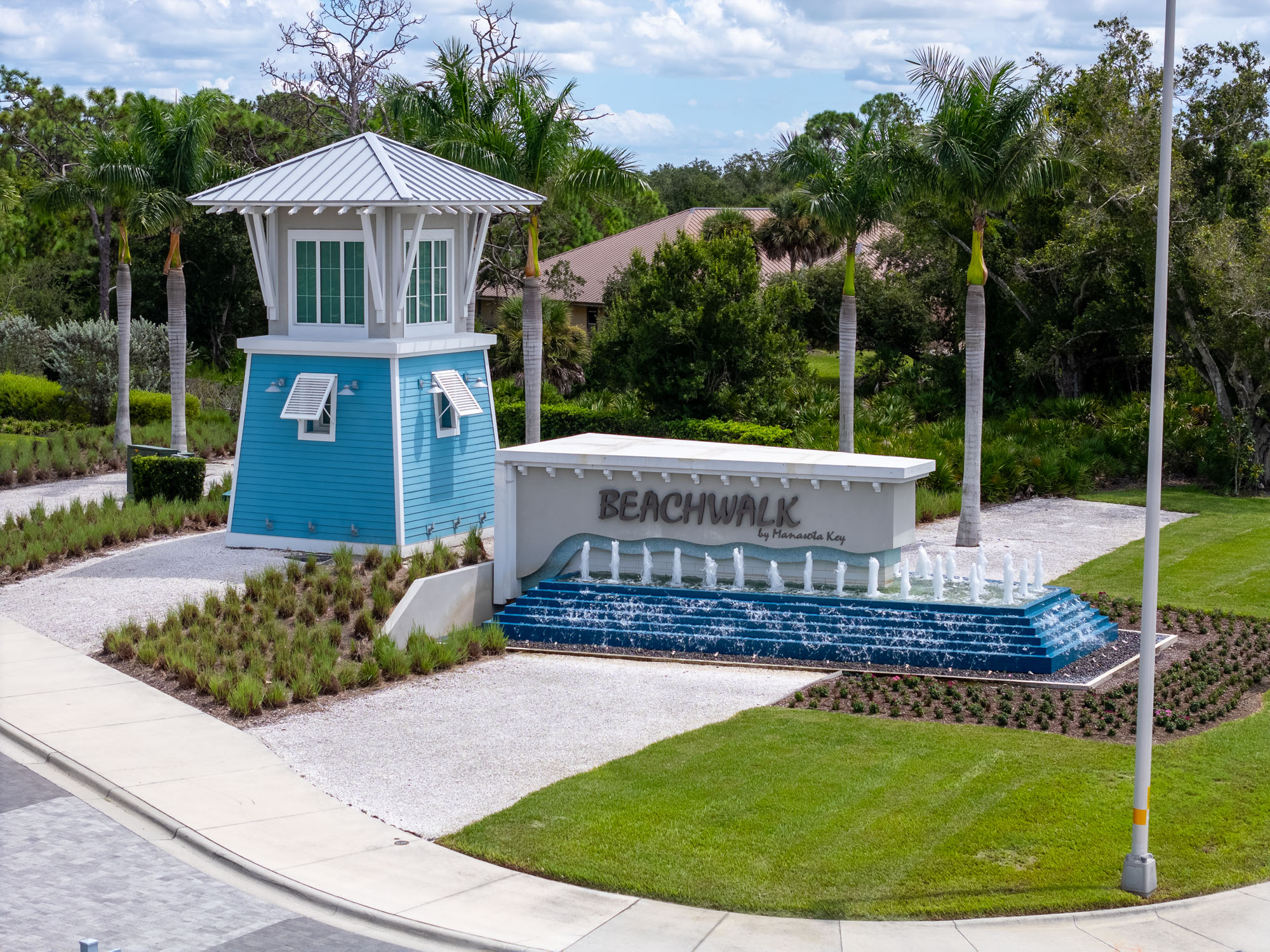
Here is what I'd do. On a quiet resale that has been sitting sixty days, a lighter deposit is usually fine. On a well-priced home in Beachwalk by Manasota Key or a popular floor plan in Wellen Park where you expect company, a stronger deposit does more for you than almost anything else you can put on paper short of price.
Some contracts also use a second deposit, due after the inspection period ends. That structure lets you start smaller and add money once you have decided to stay in the deal. It is a good tool for out-of-state buyers who want to see the house before committing the larger sum.
A quick reality check on total cash needed: the deposit is not the only money you bring. If you are still mapping out what buying here actually costs, my guide to buying in Venice and Englewood walks through the full picture from offer to closing table.
The three-day clock most buyers miss
On the standard Florida Realtors and Florida Bar residential contract, if nobody writes in a different number, your initial deposit is due within three days after the effective date. The effective date is the day the last party signs and delivers the signed contract, not the day you wrote the offer.
Three days is short. Under the contract's own time standard, any period of five days or less skips Saturdays, Sundays, and national holidays, which buys you a little breathing room over a weekend. It does not buy you a week.
This is where out-of-state buyers get into trouble. You are in a different time zone, your bank has a daily wire limit you forgot about, and the title company closes at five. Move the money the same day you go under contract if you can.
Failing to deliver the deposit on time is a contract breach on your side. In practice most sellers will give you a nudge before they do anything dramatic, but they are not required to. Do not rely on grace you did not negotiate for.
The three deadlines that decide whether you keep your money
Nearly every earnest money dispute in Florida comes down to a date. Learn these three and you will almost never be at risk.
1. The Inspection Period
The AS IS version of the Florida contract, which is what most Venice and Englewood deals use, gives you an inspection period that defaults to 15 days after the effective date if the parties leave it blank. In practice it is negotiated, and 10 to 15 days is typical here.
During that window you have the strongest right you will ever have in the deal. You can cancel in your sole discretion, for any reason or no reason, and your deposit comes back in full. You do not have to prove the house has a problem. You do not have to like the color of the lanai screen.
The catch is the word "written." You have to deliver written notice of cancellation before the deadline expires. A phone call to your agent at 8pm on day 15 saying you changed your mind is not notice. Get it in writing, time stamped, delivered.
This is the single most valuable thing in the contract for buyers, and it is why I push my clients to schedule inspections in the first few days rather than the last few. If your inspector finds an open permit or a roof issue on day 13, you have almost no room to negotiate or to get a second opinion.
In our market, the inspection period is also when you handle the Southwest Florida specifics. Four point inspection. Wind mitigation report. Flood zone and elevation. Insurance quotes in hand. Association documents reviewed. All of that belongs inside the inspection window, not after it.
2. The Loan Approval Period
If you are financing, the contract gives you a separate financing contingency. The loan approval period defaults to 30 days after the effective date when it is left blank, and it is the deadline by which you must obtain written loan approval, cancel, or get a written extension.
If your loan is properly denied and you cancel in writing within that period and you acted in good faith, your deposit is generally refundable. If you sail past the deadline without doing anything, the protection can quietly evaporate and you may be sitting on a non-refundable deposit without realizing it.
Two things put buyers at risk here. The first is not being fully underwritten before you write the offer. The second is changing something during the process, like opening a new credit line or switching jobs, that causes the approval to fall apart late.
Condo buyers in Venice and Englewood have an extra layer. A building with reserve or milestone inspection issues can be hard to finance conventionally even when your own file is clean, and that can push you right up against the deadline. If you are weighing how financing works in this market, my financing overview is a useful starting point before you write an offer.
3. The Closing Date
The third deadline is closing itself. Once your inspection and financing contingencies have expired, the deposit is effectively committed. If you decide at that point that you would rather not buy the house, the seller has a claim to the money as liquidated damages.
That is the deal you struck. The seller took the home off the market, turned away other buyers, and in a seasonal market like ours may have lost a whole selling window. The deposit is what compensates them.
When you actually lose your deposit
Buyers lose earnest money in a narrow set of situations. Almost all of them involve a deadline that passed or a notice that never got sent.
- You cancel after the inspection period expires without another contingency to stand on.
- You cancel verbally instead of in writing, and the deadline runs out while everyone assumes it was handled.
- You miss the loan approval deadline and then cannot close.
- You cause your own financing to fail, for example by taking on new debt mid process.
- You simply change your mind late, after every contingency has been satisfied or waived.
- You waived contingencies to win a competitive situation and then could not perform.
That last one deserves a note. Waiving an inspection or shortening it to three days can win you a house. It also converts your deposit from refundable to at risk almost immediately. I will help a client do it when the situation calls for it, but never without saying out loud exactly what is being given up.
What happens when you and the seller both want the money
Say the inspection period timing is disputed. You believe you cancelled in time, the seller believes you did not, and you both make a written demand on the title company for the same deposit.
The escrow holder does not get to pick a winner. Under Florida law, when there are conflicting demands or a good faith doubt about who is entitled to the funds, the escrow holder has to notify the Florida Real Estate Commission and then follow one of four set procedures: mediation, arbitration, requesting an escrow disbursement order from the commission, or filing an interpleader action in court. You can read the underlying statutory framework in Chapter 475 of the Florida Statutes.
None of those are fast. Your money can sit untouchable for months while the process plays out, which is the real cost of a deposit fight. Most disputes settle precisely because both sides look at the timeline and decide a split beats a stalemate.
The National Association of Realtors has also published guidance on escrow and earnest money practices, summarized in this Florida Realtors article on the NAR escrow guide, if you want to read further on how deposits are handled nationally.
How to protect your deposit
None of this is complicated. It is just a discipline about dates and paper.
Write every deadline on a calendar the day you go under contract. Effective date, deposit due date, inspection deadline, loan approval deadline, closing date. Set reminders three days before each one.
Book your inspector immediately, not after you have thought about it for a week. In season, good inspectors in Venice and Englewood book out, and waiting costs you days you cannot get back.
Get insurance quotes during the inspection period, not after. On the Gulf Coast the insurance number can change whether the house works for you at all, and you want that information while you still have a free exit.
Put everything in writing. Cancellations, extensions, repair agreements, every one of them. A text message is better than a phone call, and a signed form is better than a text.
Never extend a deadline informally. If the seller agrees to give you five more days, that agreement belongs on a signed addendum, not in a friendly email chain.
Two local wrinkles worth knowing
Cash buyers make up a large share of what I see in Beachwalk by Manasota Key and across Englewood 34223. If you are paying cash, you have no financing contingency, which means your inspection period is the only real protection you have. Guard it. Do not shorten it to three days just because you can close fast.
New construction is different territory entirely. Builders in Wellen Park and elsewhere in Sarasota County typically use their own contract, not the Florida Realtors form. Builder deposits are often larger, sometimes tied to design center selections, and frequently far less refundable than what you would get on a resale. Read that contract carefully, and read it before you sign, not after.
Frequently asked questions
Is earnest money refundable in Florida?
Often, yes. On the standard AS IS residential contract, you can cancel during the inspection period for any reason and receive a full refund, as long as you deliver written notice before the deadline. After the contingencies expire, the deposit is generally at risk if you walk away without a contractual reason.
How much earnest money is normal in Venice or Englewood, FL?
Deposits here commonly run 1% to 3% of the purchase price, though the amount is entirely negotiable. On a competitive listing, a stronger deposit can make your offer more attractive to a seller. On a home that has been on the market a while, a lighter deposit is often accepted without any issue.
Who holds the escrow deposit in a Florida home purchase?
A neutral third party holds it, most often the title company handling the closing, and sometimes the listing brokerage. The seller never receives the funds directly while you are under contract, and the escrow holder cannot release the money to either party without proper written authority.
What happens if I miss the three day deposit deadline?
Failing to deliver the deposit on time is a breach of the contract on your side, and the seller may have the right to cancel. Many sellers will allow a short cure in practice, but that courtesy is not guaranteed. If your bank has wire limits or you are in a different time zone, start the transfer the same day you go under contract.
Can I get my deposit back if my loan is denied?
Generally yes, if you applied in good faith, your loan was properly denied, and you cancelled in writing within the loan approval period. Miss that deadline and the protection can disappear. Being fully underwritten before you make an offer is the best way to avoid the situation entirely.
Let's make sure your money is protected
The buyers who lose earnest money in Venice and Englewood are almost never the ones who found a problem with the house. They are the ones who did not know what day it was.
If you are getting ready to write an offer here, or you are already under contract and not sure which deadlines are still open, let's talk it through before the clock runs out. I will walk you through your dates, tell you exactly where your exits are, and make sure nothing gets waived that you did not mean to waive.
Get in touch with me here and let's do it!
Have a great day!
Carol Burdelik
Luxury Realtor • ADTV Host • Coastal Lifestyle Expert
LPT Realty, LLC • Florida License SL3549489
Serving Venice, Englewood, Wellen Park, Beachwalk by Manasota Key, Nokomis, Osprey, Manasota Key, and the greater Sarasota and Charlotte County area
Carol Burdelik is a licensed Florida real estate Sales Associate, not a CPA, attorney, or insurance agent. Nothing in this post is tax, legal, or insurance advice. Contract terms and deadlines vary by agreement, so review your own contract with qualified professionals before relying on any general information here.
Communities
Featured Articles
Trending Articles from Southwest Florida’s Top Real Estate Team
Stay updated with our most popular real estate and luxury lifestyle articles.

Client Feedback
Read what previous homeowners have said about working with us.

Let's Connect
Get in Touch
We’re here to assist you with your real estate needs.
Say Hello
Reach out to us anytime.

Office
Luxury Homes by Carol
26040 Seastone Dr.
Englewood, FL 34223

Pushing You Forward
Our Team
Meet the dedicated professionals behind your real estate journey.


@CarolBurdelik on YouTube
Latest Youtube Videos
Get the latest videos by Carol Burdelik on her YouTube channel.
Get Started
Start Your Luxury Property Journey Today
Contact Carol for a personalized consultation and discover your dream waterfront property in Florida.