





Your Buyer Canceled: What Venice and Englewood Sellers Can Do When a Contract Falls Through

Luxury Homes By Carol Blog
What can a Venice or Englewood seller do when the buyer cancels the contract? Get the cancellation in writing, check which contract right the buyer used, settle who gets the deposit, then relist or call a back-up buyer fast.
The email lands on a Tuesday afternoon. Your buyer is "reconsidering." Or the inspection came back and they are "not comfortable moving forward." Or the lender needs "a little more time" and then does not call back. You had boxes half packed. You had a closing date on the calendar. Now you have a house that is under contract on paper and not under contract in real life.
It is a gut punch, and it happens more often than most sellers expect. The good news is that a canceled contract is rarely the end of your sale. It is a decision point, and the first few days decide whether you lose a week or lose a season.
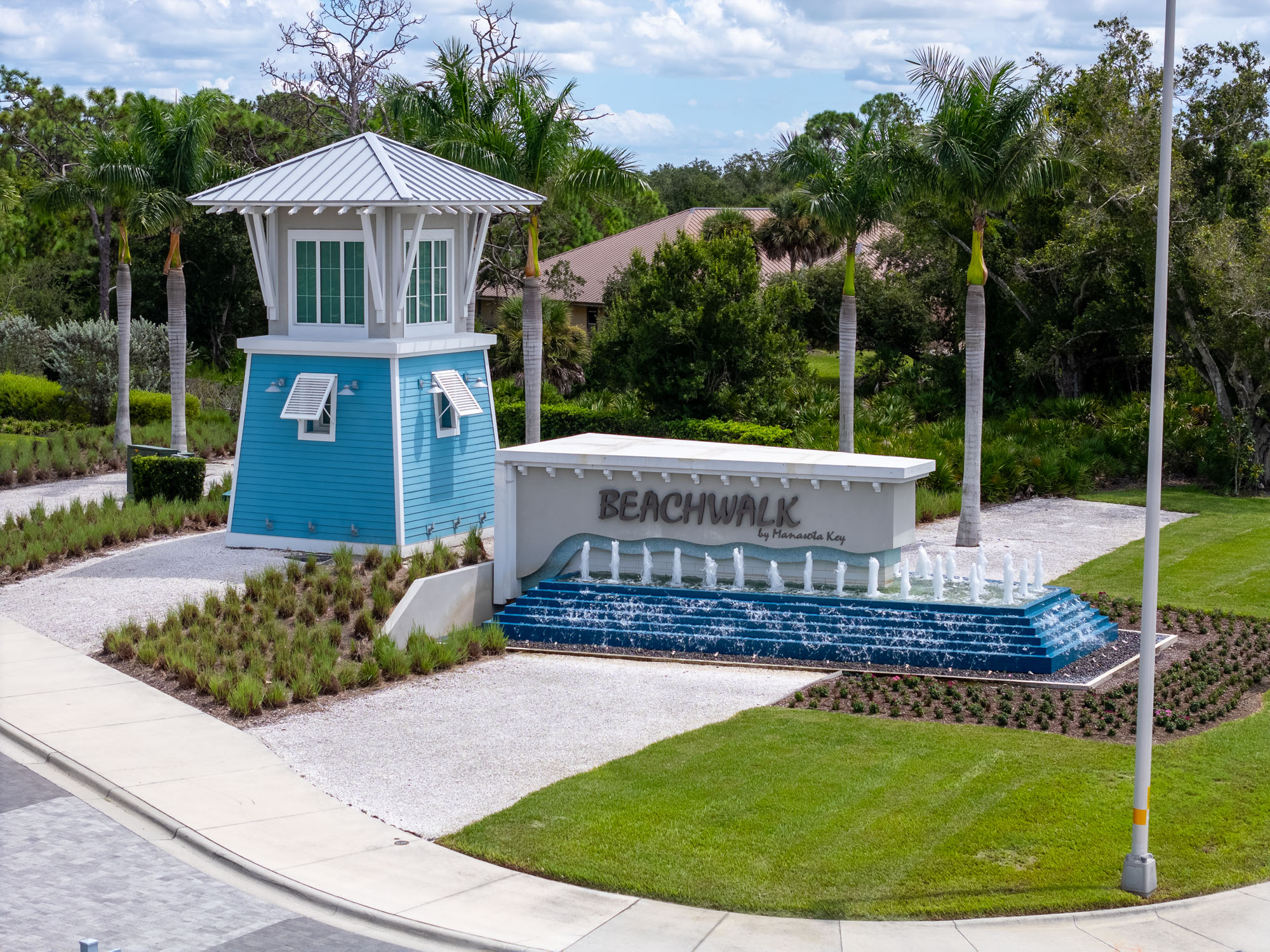
This guide walks through what to do, in order, for sellers in Venice, Englewood, Wellen Park, and Beachwalk by Manasota Key. It covers why Gulf Coast contracts fall apart, what the standard Florida contract lets a buyer do, who gets the deposit, what you must tell the next buyer, and how to write the next contract so it holds.
Why contracts fall apart on the Gulf Coast
Every canceled deal has its own story, but most of them trace back to a short list of causes. Knowing which one you are dealing with changes what you do next.
The inspection. This is the most common exit. The buyer hires an inspector, reads a long report, and gets nervous. In Southwest Florida the report often centers on the roof, the air conditioning system, the electrical panel, or moisture. If you have already read our guide on what to do when the buyer asks for repairs after the inspection, you know a repair request is a negotiation. A cancellation is the buyer choosing not to negotiate at all.
Insurance. Buyers in Florida cannot close without a policy that satisfies their lender, and in some cases their own comfort level. Older roofs, older electrical, and a missing wind mitigation report can make a policy hard to bind. When a buyer says they could not get coverage they were happy with, the contract often dies there. If that is your risk, our post on getting a 4-point and wind mitigation inspection before you sell shows how to take that objection off the table before you list.
The loan. Financing falls through for ordinary reasons. A job changes. A debt shows up. Documents take too long. The buyer's lender cannot approve the file by the date in the contract. Sometimes the buyer simply was not as ready as the pre-approval letter suggested.
The appraisal. If the appraised value comes in below the contract price, a financed buyer may have to bring more cash, ask you to lower the price, or walk away. We cover that exact situation in what to do when the appraisal comes in low on your Venice or Englewood home.
Condo and HOA paperwork. On a condo or in an HOA community, buyers get association documents after they sign. Special assessments, reserve questions, rental limits, and approval requirements can all change a buyer's mind. Condo buyers in particular now read milestone inspection and reserve materials closely.
Plain cold feet. Out-of-state buyers sometimes sign on a great trip, go home, and wonder what they did. Buyers who need to sell their own home first may lose their own sale. Neither of those is about your house.
What the standard Florida contract lets a buyer do
Most residential deals in Venice and Englewood are written on a Florida Realtors and Florida Bar form, commonly called the FR/BAR contract. Your contract is the rulebook, so read it before you react. A buyer can only cancel and keep their deposit protected if they use a right the contract actually gives them, inside the dates the contract sets.
Here are the doors a buyer typically has.
The inspection period. Many Florida contracts are written "as is" with a set number of days for the buyer to inspect. During that window the buyer can usually cancel for any reason connected to the property and get the deposit back. The number of days is filled in on your contract, so look at yours rather than guessing. A buyer who cancels inside the window is using a right they paid for with that deposit. There is usually no fight to have.
The financing contingency. If the buyer is using a loan, the contract spells out when they must apply and when they must have approval. If they follow the steps and still cannot get approved by the deadline, the contract generally lets them cancel and recover the deposit. If they never applied on time, that is a different conversation.
The appraisal terms. Depending on how the contract is written, a low appraisal may give a financed buyer a right to renegotiate or cancel.
Other contingencies and addenda. Condo and HOA approval, insurance, the sale of the buyer's current home, and similar conditions can each carry their own dates and their own exit.
The question that matters most is simple. Did the buyer cancel inside a window that the contract gave them? If yes, the deposit usually goes back to them and you move on. If no, you may have rights worth protecting.
Who gets the deposit
This is the part sellers ask about first. The earnest money deposit sits with an escrow agent, usually a title company or a brokerage, not with you and not with the buyer. Neither side can simply take it out.
If the buyer cancelled properly under a contingency, the deposit is generally returned to them, and both sides sign a release that says so. Sign what your agent and the escrow agent send once you have read it. A signed release is what lets everyone move on cleanly.
If the buyer backed out without a valid right under the contract, you have a choice. The standard contract describes what a seller may do when a buyer defaults, and one common path is keeping the deposit as an agreed amount in place of suing for more. That choice has consequences, because accepting it generally closes the door on other claims. Talk to a Florida real estate attorney before you pick.
When both sides claim the money, the escrow agent cannot decide who is right. Florida law and the Florida Real Estate Commission set a process for what a broker holding a disputed deposit must do, and it can include mediation, arbitration, or a court filing. You can read the relevant rule language in Florida Statutes section 475.25, and the Florida Real Estate Commission page explains who regulates brokers who hold deposits. Disputes like this can take months. Most are settled sooner, because a split of the deposit is cheaper than a fight.
I am a Realtor, not an attorney, so treat this as a map and not as legal advice. Anything involving a disputed deposit is a call to an attorney, today.
Your first 48 hours
Speed matters because the days a house sits "pending" with no real buyer are days it is not being shown. Here is the order I walk sellers through.
- Get the cancellation in writing. A text or a phone call is not enough. You want a signed termination or a written notice that your agent and the escrow agent can both file.
- Find out which clause the buyer used. Inspection period, financing, appraisal, or none. That answer decides the deposit.
- Ask for the inspection report. A buyer has no duty to hand it over, but many will, and it tells you exactly what the next buyer's inspector is likely to find.
- Sign the release or hold the line, based on the facts. Do not sign anything about the deposit until you know which situation you are in.
- Tell your agent to update the listing status. The home goes back on the market. The sooner it is visible, the sooner showings resume.
- Call any back-up buyers. If someone else made an offer and you kept the door open, this is the moment.
What you have to tell the next buyer
This is where sellers get tripped up, so read it twice. A buyer who cancels does not wipe your slate clean. If the inspection turned up a problem you now know about, you cannot pretend you do not.
Florida law requires a seller to tell buyers about known facts that materially affect the value of the home and are not readily visible to the buyer. That standard comes from a well-known Florida Supreme Court case, Johnson v. Davis, and it is the reason Florida contracts and disclosures ask what you know. If the first buyer's inspector found active moisture, a failing air conditioning unit, an electrical issue, or evidence of past water intrusion, you now know about it. The next buyer needs to hear it from you.
You do not have to disclose that a prior contract fell through, or the first buyer's reasons for leaving. You do have to disclose a defect once you know it exists. Those are different things, and an agent who understands both will help you keep them straight. Our guide on what Florida sellers must disclose about flooding covers the same principle for one of the most sensitive topics on the Gulf Coast.
The practical takeaway is that a defect you fix and document is a better story than a defect a second buyer finds on their own. The second inspector will find it. That is their job.
Relist as is, fix it, or change the price
Once the paperwork is settled, you face a real decision. The right answer depends on why the deal ended.
If the buyer left over something specific and fixable, fix it, document it, and say so in your listing materials. A receipt for a new component is worth more than a promise. This is especially true for roof, electrical, and air conditioning items, which show up again and again on Gulf Coast reports.
If the buyer left over insurance, put the paperwork a buyer needs in front of them at the start. Recent inspection reports, permits, and a wind mitigation report help a buyer and their insurance agent see the home clearly before they commit.
If the buyer left over the appraisal, the price may be telling you something. Look at what sold nearby, not just what you hoped for. Ask your agent for a fresh set of comparable sales and think hard about whether a price adjustment will bring in a stronger buyer than a long wait. We cover this tradeoff in our post on a house that is not selling: price cut or concession.
If the buyer left over financing or cold feet, you likely do not need to change the house at all. You need a stronger screen on the next contract.
How to make the next contract hold
You cannot prevent every cancellation. You can make them less likely, and you can protect yourself when they happen.
Ask for proof of readiness. For a financed buyer, that means a pre-approval letter from a lender who has looked at the buyer's documents, not a quick prequalification. For a cash buyer, it means proof of funds. Your agent can request both before you accept. I do not recommend specific lenders. Buyers should choose their own, and your agent can explain what a solid letter looks like.
Read the contingency dates before you sign. A shorter inspection period and a firm financing deadline limit how long your house is tied up. Be realistic, because a window that is too tight for the buyer's lender causes problems of its own.
Look at the deposit. A deposit the buyer can comfortably afford and would hate to lose gives them a reason to follow through. Your agent can talk through what is reasonable for your price range.
Consider a back-up arrangement. If a second serious buyer shows up while you are under contract, your agent can discuss keeping that offer in second position. If the first contract fails, you are not starting from zero.
Finally, remove the surprises before you list. A pre-listing inspection, a wind mitigation report, and any open permit issues cleared up in advance mean the first buyer's inspector has fewer reasons to scare the first buyer off.
Frequently asked questions
Can a buyer back out of a contract in Florida and get the deposit back?
Yes, if they cancel under a right the contract gives them, inside the dates it sets. Common examples are the inspection period and the financing contingency. A buyer who cancels without one of those rights may lose the deposit, though the outcome depends on the contract and the facts.
Can I keep the buyer's deposit if they cancel?
Only if the buyer defaulted rather than using a contract right, and even then the escrow agent cannot release the money on your word alone. The standard contract sets out a seller's options, and a disputed deposit can go through mediation, arbitration, or court. Speak with a Florida real estate attorney before you make a claim.
Do I have to tell the next buyer that the first deal fell through?
You are not generally required to disclose a canceled contract or the first buyer's reasons. You are required to disclose known material defects that a buyer cannot easily see. If the first inspection revealed one, treat it as disclosed knowledge from that day forward.
How fast should I relist after a buyer cancels?
As soon as the cancellation is signed and the status is updated. Each day under a dead contract is a day your home is not being shown. If you have a back-up buyer, contact them first, then relist.
Should I lower the price after a contract cancels?
It depends on the reason. If the buyer left over price or appraisal, a fresh look at comparable sales is worth doing. If they left over financing or personal reasons, the price may be fine. Your agent should show you the evidence before you decide.
Is your buyer pulling out and you are not sure what comes next?
If you own in Venice, Englewood, Wellen Park, or Beachwalk by Manasota Key and a contract is wobbling or has just ended, reach out before you sign anything. I will walk through the contract with you, check the dates, and help you decide whether to fix, reprice, or relist so your house is back in front of buyers fast.
Start with the form at luxuryhomesbycarol.com/contact and tell me where your sale stands.
Have a great day!
Carol Burdelik
Luxury Realtor • ADTV Host • Coastal Lifestyle Expert
LPT Realty, LLC • License SL3549489
Serving Venice, Englewood, Wellen Park, Beachwalk by Manasota Key, and the Sarasota and Charlotte county coast
Carol Burdelik is a licensed Florida Sales Associate, not an attorney, CPA, lender, or insurance agent. Nothing in this post is legal, tax, financing, or insurance advice. Contract rights, deposits, and disclosure duties depend on your specific contract and facts, so consult a Florida real estate attorney about your situation.
Communities
Featured Articles
Trending Articles from Southwest Florida’s Top Real Estate Team
Stay updated with our most popular real estate and luxury lifestyle articles.

Client Feedback
Read what previous homeowners have said about working with us.

Let's Connect
Get in Touch
We’re here to assist you with your real estate needs.
Say Hello
Reach out to us anytime.

Office
Luxury Homes by Carol
26040 Seastone Dr.
Englewood, FL 34223

Pushing You Forward
Our Team
Meet the dedicated professionals behind your real estate journey.


@CarolBurdelik on YouTube
Latest Youtube Videos
Get the latest videos by Carol Burdelik on her YouTube channel.
Get Started
Start Your Luxury Property Journey Today
Contact Carol for a personalized consultation and discover your dream waterfront property in Florida.