





Selling Your Venice or Englewood Home After the Storms? What Florida's Flood Disclosure Law Requires

Luxury Homes By Carol Blog
What do you have to disclose about flooding when you sell your home in Venice or Englewood, Florida?
Florida law now requires you to give buyers a written flood disclosure at or before signing the contract. It covers any flooding that damaged the home while you owned it, any flood insurance claim, and any flood repair assistance you received.
You lived through Helene. Then Milton came right behind it. Maybe water came up through the garage. Maybe the lanai flooded and the drywall got cut out two feet up. Maybe you were lucky and only the yard sat under water for a few days. Either way, you fixed it, you moved on, and now you are thinking about selling.
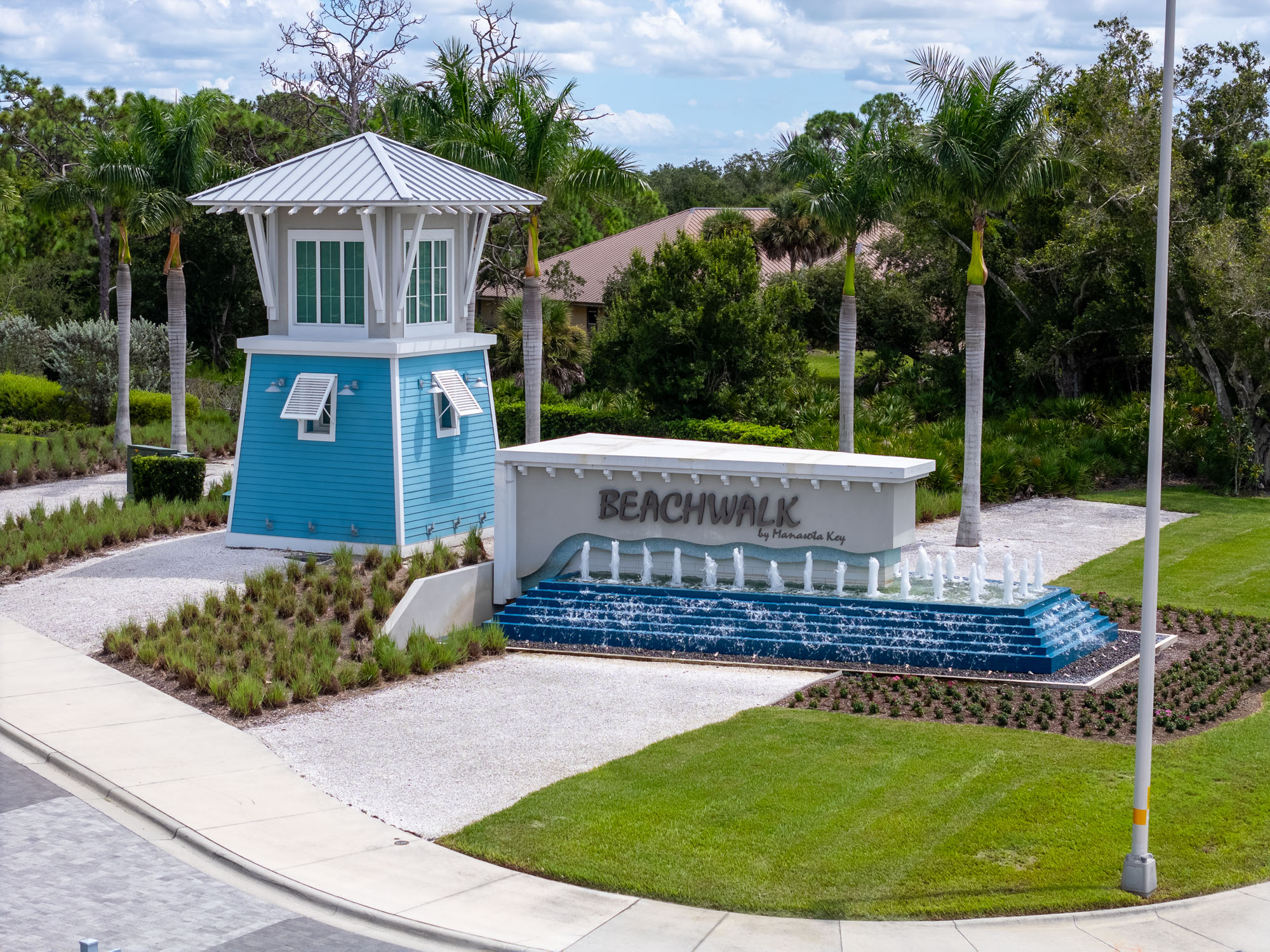
This is the question I hear from sellers in Venice, Englewood, Beachwalk by Manasota Key and Wellen Park almost every week right now: do I have to tell buyers about the water? The short answer is yes, if it fits the law, and the law got broader on October 1, 2025. The good news is that a clear, honest disclosure, backed by paperwork, usually helps your sale far more than it hurts it.
Here's what I'd want every seller in Sarasota and Charlotte County to know before they list. We'll walk through what the Florida flood disclosure actually asks, what changed in 2025, how it fits with your other disclosure duties, and how to present storm repairs so buyers feel confident instead of nervous.
The Florida flood disclosure law, in plain English
Since October 1, 2024, Section 689.302 of the Florida Statutes has required sellers of residential property to complete a flood disclosure and give it to the buyer. The timing is specific: it has to be provided at or before the time the sales contract is executed. Not at closing. Not after the inspection. Before or at the signing.
The form starts with a plain warning to the buyer. Homeowners insurance policies do not cover flood damage, and the buyer is encouraged to talk with an insurance agent about separate flood coverage. That part is the same for every seller.
Then come the three questions you answer yourself:
- Flooding. Do you have knowledge of any flooding that damaged the property during your ownership?
- Claims. Have you filed a claim with an insurance provider for flood damage to the property, including a claim with the National Flood Insurance Program?
- Assistance. Have you received assistance for flood damage to the property, including assistance from FEMA?
Each one is a simple has or has not checkbox. There is no essay to write. But each checkbox has to be accurate, so it pays to think it through before you sit down with the listing paperwork.
What counts as flooding
The statute defines flooding broadly. It means a general or temporary condition of partial or complete inundation of the property caused by any of these:
- The overflow of inland or tidal waters, which is storm surge, canal overflow and bay water coming in.
- The unusual and rapid accumulation of runoff or surface waters from any established water source.
- Sustained periods of standing water resulting from rainfall.
That third one surprises people. You do not need a hurricane for water to count. A summer storm that left standing water long enough to damage the home can fit too. The key word in the first question is damaged. Water that sat in the yard and went away without damaging the property is a different situation than water that came inside.
What changed on October 1, 2025
The first version of the law, from 2024, was narrower. Sellers had to disclose flood insurance claims and federal flood assistance. That left a gap. A seller who flooded but never filed a claim could check no on both questions.
The Florida Legislature closed that gap in 2025. As Florida Realtors explained in its September 2025 summary, effective October 1, 2025, sellers must now disclose their knowledge of any flooding that damaged the property during their ownership, not only flooding that led to an insurance claim. The assistance question also changed. It is no longer limited to federal help. Any assistance you received to repair flood damage now counts.
In practice, that means:
- If water damaged your home and you paid for the repairs yourself, you still disclose the flooding.
- If you received help from a state program, a nonprofit or another source, that counts as assistance.
- If you filed a flood claim, through the NFIP or a private flood carrier, you check yes on the claim question.
Florida Realtors updated its flood disclosure form to match. If your listing paperwork has an older version, ask your agent for the current one.
Only during your ownership
The questions ask about your ownership. You are not being asked to research what happened before you bought the home. That said, if you know about earlier flooding from your own purchase paperwork or from a prior owner, that knowledge is still worth a conversation with your agent or attorney, because Florida's general disclosure duty, covered below, can reach it.
How this fits with your other disclosure duties
The flood disclosure is one piece. It sits on top of a duty Florida sellers have had for decades.
The general duty to disclose
Under the Florida Supreme Court's decision in Johnson v. Davis, a seller of a home must disclose known facts that materially affect the value of the property and that are not readily observable to the buyer. That covers far more than flooding. Roof leaks, foundation problems, plumbing failures and known permit issues can all fall under it.
So the flood form does not replace that duty. A seller who checks the flood boxes correctly but stays quiet about a known moisture problem in the walls has not done the whole job.
The seller's property disclosure form
Most listing agents in Florida have sellers fill out a standard seller's property disclosure form. Florida law does not require that particular form, but it is the clearest way to show what you knew and when you said it. It asks about the roof, plumbing, electrical, permits, past insurance claims and more. If you flooded, that form is where you add the detail the flood checkboxes cannot hold: what got wet, what was replaced and who did the work.
HOA and condo documents
If your home is in an HOA, like Beachwalk or most Wellen Park neighborhoods, buyers also receive association documents. If you are selling a condo on Venice Island or Manasota Key, there are separate statutory condo disclosures and buyer cancellation rights. Those do not replace your flood disclosure either. They just mean your buyer is reading a stack of documents at the same time, which is one more reason to make yours clear.
Why honest disclosure helps you sell
Sellers sometimes worry that checking yes will scare every buyer away. In my experience, the opposite is more common. Here is why.
First, buyers here already expect the question. Almost every buyer I work with is relocating from out of state, and the first thing their family back home asks is whether the house flooded. A clear answer, given up front, ends that conversation quickly.
Second, buyers can often find out anyway. Inspectors spot cut lines in drywall, new baseboards, replaced flooring and fresh paint low on the walls. Neighbors talk. Storm photos are online. When a buyer finds something you did not mention, trust breaks, and the price conversation turns hard.
Third, the information gap works against sellers who stay quiet. As Florida Realtors pointed out when the law first passed, FEMA shares a property's past flood history only with owners who have active flood insurance, so buyers often cannot get that history before closing. That is exactly why the Legislature put the duty on the seller. A buyer who later learns about flooding you knew about may have legal claims under general Florida law. The statute itself does not spell out a specific penalty for sellers, so if you are unsure, talk with a Florida real estate attorney before you list.
And fourth, a well-documented repair is a selling point. A home that flooded, was repaired with permits, and now has new drywall, new flooring and a new water heater can show better than a home nobody has touched in fifteen years.
How to present storm repairs the right way
Here's what I'd do if your home took water in 2024 or any other storm while you owned it.
Gather your paper trail before you list
- Your insurance claim number and the adjuster's estimate, if you filed a claim.
- Any assistance award letters or approval notices.
- Contractor invoices and scopes of work, showing what was removed and replaced.
- Building permits for the repair work, plus final inspection sign-offs.
- Mold remediation or moisture testing reports, if any were done.
- Before and after photos, if you have them.
Put it all in one folder. When a buyer's agent asks, you hand it over the same day. That speed tells buyers you have nothing to hide.
Check your permits
Repairs done without permits are the part that can really hurt a sale. Open or missing permits can delay closing and give buyers a reason to renegotiate. Look up your permit history with Sarasota County or Charlotte County, depending on which side of the line your home sits. Englewood 34223 straddles both. If something is open, close it before you list.
If your home is in a flood zone and the repairs were large, ask whether the building department made a substantial damage determination. That can affect what a future owner is allowed to do with the house, and buyers will ask.
Know your flood zone and elevation
Look up your property on the FEMA Flood Map Service Center and know your zone before your first showing. If you have an elevation certificate, have it ready. If you carried flood insurance, buyers may ask whether your policy can be assumed. Your insurance agent can tell you whether that option exists for your policy. I never quote premiums, because they depend on the home and the carrier, but having this information ready lets buyers get their own quotes quickly.
Fill out the form yourself
Your agent can hand you the correct form and explain what each question means. But the answers are yours. A real estate licensee cannot fill in your knowledge for you. Take your time, read each question twice, and answer it accurately.
Common seller questions about the checkboxes
Every situation is a little different, and when in doubt, ask an attorney. Here is how these questions often come up.
Water came into the garage but not the living area
The question is whether flooding damaged the property, and the property includes more than the living space. If water in the garage damaged drywall, a water heater, cabinets or stored equipment that conveys with the home, think carefully before you check no. When it is close, more disclosure is usually the safer path.
The yard flooded but the house stayed dry
Standing water in the yard that drained away without damaging anything may not meet the damaged part of the question. But if it killed landscaping, undermined pavers, damaged a pool cage or affected a seawall, that may be damage. Describe it on your seller's disclosure form so the buyer has the full picture.
You bought the home already repaired
The flood questions cover your ownership. If the flooding happened under the prior owner and you know about it, Florida's general duty to disclose known material facts may still apply. Mention it to your agent and get legal advice on how to phrase it.
You rent the home out
If you rent your home on a lease of one year or longer, the 2025 law added a separate flood disclosure for landlords too, given at or before the lease is signed, in a separate document from the lease. If you are selling a home with a tenant in place, both sets of rules may matter to you. Your agent and attorney can help you line them up.
Your flood disclosure checklist
- Before you list: write down any flooding, claims and assistance during your ownership, with dates.
- Gather documents: claim files, assistance letters, invoices, permits and final inspections.
- Check permits: close anything that is still open with the right county.
- Look up your flood zone: have your elevation certificate ready if you have one.
- Use the current form: make sure it reflects the October 1, 2025 changes.
- Deliver on time: the flood disclosure goes to the buyer at or before contract signing.
- Add detail on your seller's disclosure: what happened, what was repaired and who did the work.
- Get legal advice on anything that feels like a gray area.
If you want a bigger-picture look at getting ready to list, my seller services page walks through how I prepare and market homes from day one. And if you are selling in Beachwalk, my Beachwalk by Manasota Key community page covers what buyers there are looking for.
How I help sellers handle this
About 95% of my buyers are coming from out of state, so I know exactly what they ask about flooding, and I know which answers settle their nerves. When I list a home that took water, I help you organize the paper trail, I make sure the right forms are in the listing package from day one, and I personally video the home so buyers can see the repaired areas for themselves.
I also bring options for the people you might need, like permit help, moisture testing or contractors to finish small items, and you choose who you work with. The goal is simple: buyers see an honest story, a clean file and a home that has been taken care of.
Frequently asked questions
When does a Florida seller have to give the flood disclosure?
The seller must complete and give the flood disclosure to the buyer at or before the time the sales contract is executed. It applies to sales of residential real property in Florida, so plan to include it in your listing paperwork rather than waiting until the inspection period.
Do I have to disclose flooding if I never filed an insurance claim?
Yes, if the flooding damaged the property during your ownership. Since October 1, 2025, Florida's flood disclosure asks about your knowledge of any flooding that damaged the property, not only flooding that led to an insurance claim. The claim and assistance questions are separate checkboxes on the same form.
Does the flood disclosure replace the seller's property disclosure?
No. The flood disclosure is a separate statutory form. Florida sellers still have a general duty to disclose known facts that materially affect value and are not readily observable, and most sellers also complete a standard seller's property disclosure form, where you can explain repairs in more detail.
Will disclosing past flooding lower my sale price?
It depends on the home, the damage and the repairs. A well-documented, permitted repair often reassures buyers, while undisclosed damage that turns up at inspection can lead to harder renegotiation. Talk with your agent about how comparable homes with storm repairs have sold in your neighborhood.
Getting ready to sell after the storms?
If you are thinking about selling in Venice, Englewood, Beachwalk by Manasota Key or Wellen Park and your home took water while you owned it, let's talk before you list. I'll help you get your paperwork in order, present your repairs clearly and price your home with the full story in mind.
Fill out my contact form and tell me a little about your home. Let's do it!
Have a great day!
Carol Burdelik
Luxury Realtor • ADTV Host • Coastal Lifestyle Expert
LPT Realty, LLC | FL License SL3549489
Serving Venice, Englewood, Beachwalk by Manasota Key, Wellen Park, and Sarasota, Charlotte, and Manatee Counties
Sources: Florida Statutes Section 689.302 (Florida Senate); Florida Realtors, "Florida Expands Flood Disclosures" (September 2025) and "New Florida Flood Disclosure Requirements Coming" (August 2024); FEMA Flood Map Service Center. This post is for general information only and reflects what was known as of November 26, 2026.
Carol Burdelik is a licensed Florida real estate Sales Associate, not a CPA, attorney, or insurance agent. Nothing in this post is tax, legal, or insurance advice. Disclosure rules can change and every situation is different, so review your own disclosures with a Florida real estate attorney before you list.
Communities
Featured Articles
Trending Articles from Southwest Florida’s Top Real Estate Team
Stay updated with our most popular real estate and luxury lifestyle articles.

Client Feedback
Read what previous homeowners have said about working with us.

Let's Connect
Get in Touch
We’re here to assist you with your real estate needs.
Say Hello
Reach out to us anytime.

Office
Luxury Homes by Carol
26040 Seastone Dr.
Englewood, FL 34223

Pushing You Forward
Our Team
Meet the dedicated professionals behind your real estate journey.


@CarolBurdelik on YouTube
Latest Youtube Videos
Get the latest videos by Carol Burdelik on her YouTube channel.
Get Started
Start Your Luxury Property Journey Today
Contact Carol for a personalized consultation and discover your dream waterfront property in Florida.