





Selling Your Venice or Englewood Home and Buying Again in Florida? How Homestead Portability Works

Luxury Homes By Carol Blog
Can I keep my Florida property tax savings when I sell my Venice or Englewood home and buy another one?
Yes, in most cases. Florida's Save Our Homes portability lets you move up to $500,000 of your built-up tax benefit to a new Florida homestead, as long as you set up the new homestead within three tax years and file Form DR-501T by March 1.
You've lived in your Venice or Englewood home for years. Your property tax bill has barely moved while your home's value climbed. That gap is real money. And the moment you sell, a lot of sellers assume it's gone for good.
It doesn't have to be. If you're selling a Florida homestead and buying another Florida home to live in, you can carry much of that savings with you. It's called portability. The catch? It doesn't happen on its own. There are dates, a form, and a few timing traps that can cost you thousands if you miss them.
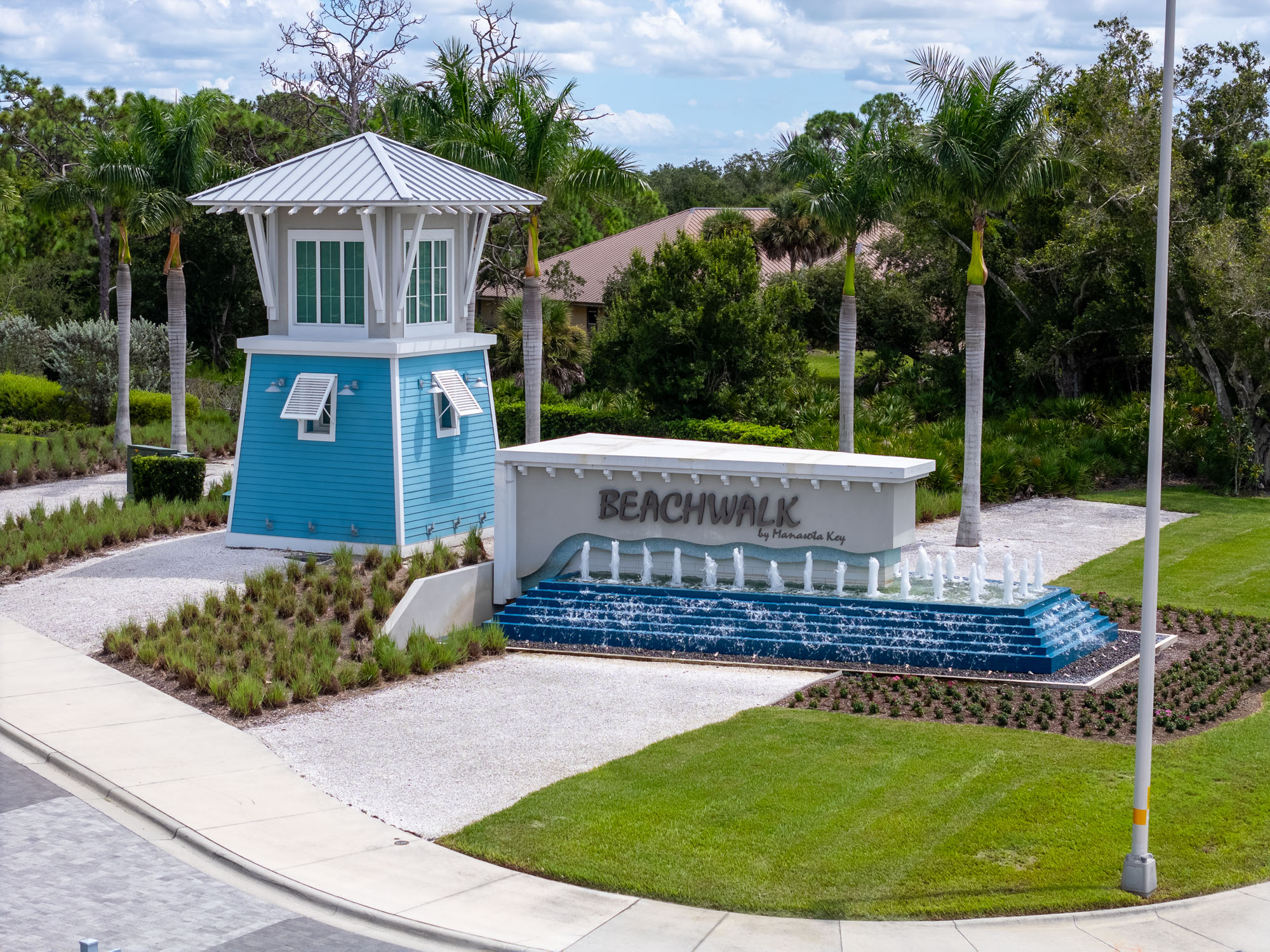
Here's what I'd want every seller in Venice, Englewood, Beachwalk by Manasota Key, and Wellen Park to know before they list. We'll walk through how portability works, what happens when you move up versus scale down, the exact deadlines, and how Amendment 3, which Florida voters approved on November 3, 2026, fits into the picture.
What Save Our Homes Actually Does for You
When you claim a homestead exemption on your primary residence in Florida, two things happen. First, you get the homestead exemption itself, which lowers your taxable value. Second, you get the Save Our Homes cap.
The cap limits how much your assessed value can rise each year. For a homestead, the yearly increase is held to 3% or the change in the Consumer Price Index, whichever is lower. Your market value can jump 10% in a hot year. Your assessed value can't.
Over time, that creates a gap between what your home is worth (market value) and what you're taxed on (assessed value). That gap is your Save Our Homes benefit. If you bought in Venice a decade ago, yours could be large.
When you sell, the new owner doesn't inherit your cap. Their assessment resets to market value. That's why the buyer's bill usually looks nothing like yours. But your benefit doesn't have to vanish. You can take it with you.
How Homestead Portability Works When You Sell
Portability lets you transfer your Save Our Homes benefit, up to $500,000, from your old Florida homestead to a new Florida homestead. The Sarasota County Property Appraiser's portability FAQ lays out the rules in plain terms.
A few things surprise sellers:
- You don't have to sell first. The old homestead has to be abandoned by everyone who held the exemption. It doesn't have to be sold.
- It only works Florida to Florida. If you're selling in Englewood and moving back to Ohio, there's nothing to port.
- It works across counties. Selling in Sarasota County and buying in Charlotte County, or the other way around, is fine. You file in the county where the new home sits.
- It isn't automatic. You have to apply for homestead on the new home and file the portability form. The homestead application alone doesn't do it.
That last point is where people lose money. They assume the county knows they moved. The county doesn't connect the dots unless you ask.
Moving Up vs. Scaling Down: The Math Changes
How much benefit you carry over depends on whether your next home is worth more or less than the one you sold. The property appraiser calls this upsizing and downsizing.
Upsizing: your new home's market value is the same or higher
If your new homestead's market value is equal to or higher than your old one, you can transfer your full Save Our Homes benefit, up to $500,000. The county subtracts it straight from the new home's market value to set your new assessed value.
Here's an illustration, using round numbers for clarity only. Say your Venice home has a market value of $600,000 and an assessed value of $380,000. Your benefit is $220,000. You buy a new home in Wellen Park with a market value of $700,000. Your new assessed value would start at $700,000 minus $220,000, or $480,000, before exemptions.
Downsizing: your new home's market value is lower
If you're scaling down, the county uses a ratio instead of a straight dollar amount. It looks at your old home's assessed value as a share of its market value, then applies that same share to the new home.
Same illustration: your old home was assessed at $380,000 on a $600,000 market value. That's about 63%. You buy a $450,000 home in Beachwalk by Manasota Key. Your new assessed value would be roughly 63% of $450,000, or about $285,000. You carry over about $165,000 of benefit instead of the full $220,000.
Those numbers are made up to show how the formula works. Your real figures live on your property record with the county property appraiser. Pull them before you list so you know what you're working with.
The Deadlines That Matter Most
This is the part I want you to circle. Portability has two clocks, and they work differently.
Clock one: the three-year window
You have three tax years after you abandon your old homestead to establish a new one. Florida voters widened this from two years to three in the November 2020 election. Tax years run January 1 through December 31.
The Sarasota County Property Appraiser gives a clean example. If you received your last homestead exemption for the 2020 tax year, you had to be approved for your new homestead by January 1, 2023. Apply the same logic to your own dates. If your last homestead year on the old home is 2026, you'd need the new homestead in place by January 1, 2029.
Clock two: January 1 and March 1
Florida sets homestead status as of January 1. To get the exemption for a tax year, you need to own the new home and live in it as your permanent residence on January 1 of that year. Then you file your homestead application and Form DR-501T by March 1.
This is where closing dates matter more than people expect. Picture two sellers:
- Seller A closes on their Englewood home in November, buys in Wellen Park in December, and moves in before the holidays. They're in the new home on January 1. They file by March 1 and get the new homestead and portability for that year.
- Seller B does the same thing but closes on the new home on January 10. They missed January 1 by ten days. They pay non-homestead taxes on the new home for a full year and file the next cycle.
Seller B hasn't lost portability, as long as they're still inside the three-year window. But they've lost a year of savings on the new home. On a larger benefit, that can be a painful bill.
The forms
You'll file the homestead exemption application (Form DR-501) and the portability application, Form DR-501T, Transfer of Homestead Assessment Difference, with the property appraiser in the county where your new home is. In Sarasota County, the portability form is provided as part of the homestead application process, and you can apply online. Charlotte County also accepts DR-501T by March 1 of the application year. You'll need the address of your prior homestead and details on the last year you held the exemption there.
Sell First or Buy First? How Portability Changes the Decision
Most of my sellers are juggling two moves at once. Here's how portability plays into the order.
If you sell first
Selling first gives you cash in hand and a clean offer on your next home. The risk is the gap. If you sell and then rent for a while, the three-year clock keeps running. A short rental is fine. A long one, or one that stretches past a January 1 you were counting on, can cost you a year of savings or, in the worst case, the whole benefit.
If you're selling first, pick a target move-in date for the next home and work backward from January 1.
If you buy first
Buying first means you might own two homes for a stretch. You can't hold two homestead exemptions. Whichever home you live in as your permanent residence on January 1 is the one that counts. If you've moved into the new home, let the property appraiser know the old home is no longer your homestead.
What about the old home's tax bill at closing?
Because homestead status is locked on January 1, your old home generally keeps its homestead treatment for the year you sell. Property taxes are prorated at closing, so you'll pay your share for the months you owned it. Your buyer's bill resets the following year. That's normal, and it's something I walk buyers through so it doesn't spook them late in the deal.
If you're weighing timing, my seller services page covers how I plan a listing around your next move.
Situations That Change the Answer
Portability gets more complicated when ownership isn't simple. The Sarasota County Property Appraiser addresses a few common cases:
- Co-owners who split up. If two people owned the old homestead and only one of them owns the new home, that person can generally carry over only their share, often 50%. To carry the full benefit, all homesteaded owners of the old home need to move to the new one.
- Divorce. Who keeps the benefit depends on how the deed is handled. If the spouse leaving deeds their interest to the spouse staying, the one who left has no portability. If both stay on title, the rules shift again.
- Trusts, estates, and inherited homes. These have their own rules. Talk to a Florida attorney before you assume anything.
If any of these apply to you, call the property appraiser's exemption team early. They're used to these questions, and it's far easier to sort out before closing than after.
Amendment 3 Passed: What It Changes and What It Doesn't
Florida voters approved Amendment 3 on November 3, 2026. Here's the short version for sellers, based on the Volusia County Property Appraiser's Amendment 3 guide, one of the clearest official explainers available.
What it does not change: Amendment 3 does not eliminate Save Our Homes, and it does not change portability. The 3% or CPI cap on homestead assessments stays, and moving your benefit from one Florida homestead to another works the same way it did.
What it does change:
- The homestead exemption against non-school taxes rises to up to $150,000 of assessed value starting January 1, 2027, and up to $250,000 starting January 1, 2028. After that it adjusts for inflation. For comparison, the total homestead exemption is up to $51,411 for the 2026 tax year.
- The $25,000 exemption against school taxes stays the same, so school taxes will still show up on your bill.
- People who become Florida residents after December 31, 2026 start with a non-school exemption of up to $50,000 and become eligible for the larger one beginning with their fifth homestead year.
- The yearly assessment cap on non-homestead property, like second homes and rentals, drops from 10% to 5% for non-school taxes.
Why does this matter to you as a seller? Two reasons. First, if you already live in Florida and you're selling one homestead and buying another here, the larger exemption sits on top of your ported benefit. It doesn't replace it. Second, a lot of buyers in Venice and Englewood are relocating from out of state, and some of them are now trying to become Florida residents before year end. That can affect how flexible a buyer is on your closing date, so it's worth asking about when offers come in.
The details are still being written. The Legislature has to pass implementing laws, and some property appraisers expect the new-resident waiting period to be challenged in court. Confirm your own numbers with your county property appraiser as the rules are finalized.
A Seller's Portability Checklist
Here's what I'd do, in order:
- Before you list: Look up your home on the county property appraiser's site. Write down your market value, assessed value, and the difference. That's your working benefit.
- Before you pick a closing date: Decide where you'll be living on January 1. Work your sale and purchase dates around it.
- If you're renting in between: Put the three-year deadline on your calendar in writing.
- After you buy: File for homestead and portability (DR-501 and DR-501T) with the property appraiser in your new county by March 1.
- If ownership is changing: Talk to the property appraiser and a Florida attorney before closing, not after.
- Get a real estimate: Ask the property appraiser or a CPA to run your actual numbers. Mine above are illustrations only.
If you're also shopping for your next home, my buying page explains how I help clients line up the purchase side so both closings work together.
Frequently Asked Questions
Does homestead portability transfer automatically when I sell my Venice home?
No. You have to apply for a homestead exemption on your new Florida home and file Form DR-501T with that county's property appraiser, generally by March 1. If you don't file, the county won't apply your benefit, even if you qualify.
How long do I have to use my portability after selling in Englewood?
You have three tax years from when you abandon your old homestead to establish a new one. For example, if your last homestead year on the old home was 2026, you'd need to be approved for the new homestead by January 1, 2029. Missing the window means the benefit is gone.
Can I port my Save Our Homes benefit from Sarasota County to Charlotte County?
Yes. Portability works between any two Florida homesteads, including across county lines. You file in the county where your new home is located, so a move from Venice to a home on the Charlotte County side of Englewood would be filed with the Charlotte County Property Appraiser.
Does Amendment 3 change homestead portability?
No. Amendment 3, approved by Florida voters on November 3, 2026, raises the non-school homestead exemption and changes the starting exemption for new Florida residents, but it does not change Save Our Homes or portability. Implementing laws are still expected, so confirm details with your county property appraiser.
Ready to Plan Your Sale Around Your Next Move?
Selling and buying in the same year is a lot to manage. The tax piece shouldn't be the thing that trips you up. If you're thinking about selling in Venice, Englewood, Beachwalk, or Wellen Park and buying again here in Florida, let's map out your dates together before you list.
Fill out my contact form and I'll get back to you personally. No spam. No fuss.
Have a great day!
Carol Burdelik
Luxury Realtor • ADTV Host • Coastal Lifestyle Expert
LPT Realty, LLC | FL License SL3549489
Serving Venice, Englewood, Beachwalk by Manasota Key, Wellen Park, and Sarasota and Charlotte Counties
Sources: Sarasota County Property Appraiser portability FAQ; Florida Department of Revenue Form DR-501T; Volusia County Property Appraiser Amendment 3 guide. This post is for general information only and reflects what was known as of November 21, 2026.
Carol Burdelik is a licensed Florida real estate Sales Associate, not a CPA, attorney, or insurance agent. Nothing in this post is tax, legal, or insurance advice. Property tax rules and amounts can change; confirm your situation with your county property appraiser and a qualified tax or legal professional.
Communities
Featured Articles
Trending Articles from Southwest Florida’s Top Real Estate Team
Stay updated with our most popular real estate and luxury lifestyle articles.

Client Feedback
Read what previous homeowners have said about working with us.

Let's Connect
Get in Touch
We’re here to assist you with your real estate needs.
Say Hello
Reach out to us anytime.

Office
Luxury Homes by Carol
26040 Seastone Dr.
Englewood, FL 34223

Pushing You Forward
Our Team
Meet the dedicated professionals behind your real estate journey.


@CarolBurdelik on YouTube
Latest Youtube Videos
Get the latest videos by Carol Burdelik on her YouTube channel.
Get Started
Start Your Luxury Property Journey Today
Contact Carol for a personalized consultation and discover your dream waterfront property in Florida.