




Builder Incentives and the Preferred Lender: What Wellen Park and Beachwalk Buyers Should Compare Before They Sign

Luxury Homes By Carol Blog
Should you use the builder's preferred lender to get the incentive on a new home in Wellen Park or Beachwalk?
Only if the numbers still win after you compare. Get Loan Estimates from the builder's lender and at least two others, then compare total cost, not the advertised payment.
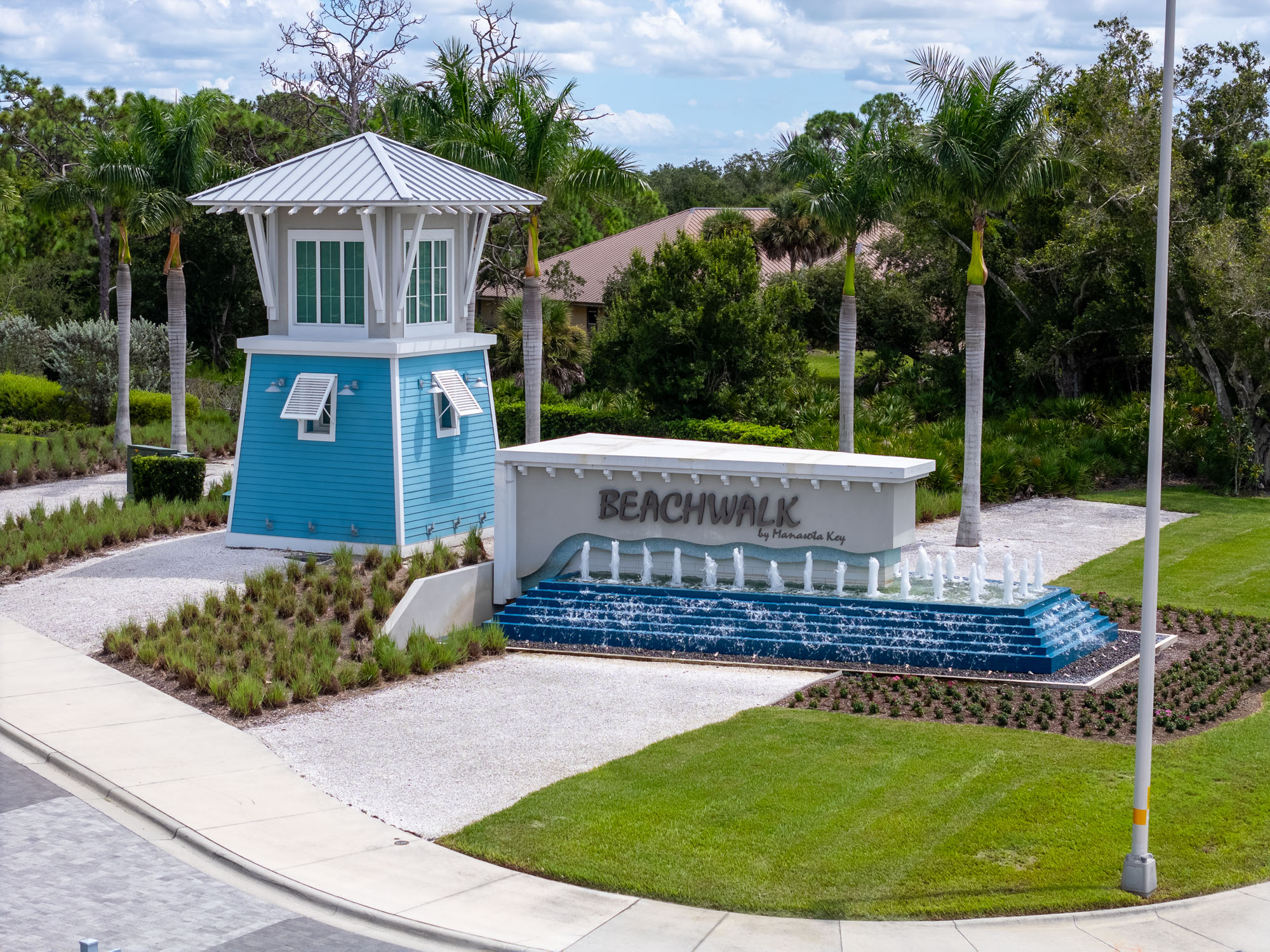
You walk into the sales center in Wellen Park or Beachwalk by Manasota Key, and the offer is right there on the easel. Thousands toward closing costs. A lower rate for the first couple of years. Maybe a design center credit on top. There's just one condition: you finance with the builder's preferred lender.
It sounds like free money, and sometimes it really is a great deal. Other times the incentive is built into the price, the low rate disappears in year three, or a lender down the street would have saved you more without the strings. The only way to know is to run the numbers side by side before you sign.
I sell a lot of new construction in Venice, Englewood, and Wellen Park, and this is the conversation I have with almost every buyer who walks into a model home. Here's how builder incentives actually work, what federal rules say about preferred lenders, and the exact comparison I'd run before you commit.
What builder incentives usually look like
Builders offer incentives because they want to sell homes on their schedule. Inventory homes, quick move-ins, and phases that need to close out by a certain date often get the strongest offers. The incentive is a sales tool, and it's worth understanding what kind of tool it is.
Most incentives fall into a few buckets:
- Closing cost credits. The builder pays a set amount toward lender fees, title charges, prepaid items, or escrow reserves. This lowers the cash you bring to the table.
- Temporary rate buydowns. The builder pays to lower your interest rate for the first one to three years. A common version is a 2-1 buydown, where the rate is two points lower in year one, one point lower in year two, and then goes to the full rate for the rest of the loan.
- Permanent rate buydowns. The builder pays discount points so your rate is lower for the life of the loan.
- Design center or upgrade credits. Money toward flooring, cabinets, countertops, or a pool. These add value to the house, but they don't change your loan.
- Price reductions. Less common as a headline offer, but sometimes available, especially on inventory homes that have been sitting.
A Kiplinger guide to builder mortgage incentives points out that the best financing incentives are usually tied to the builder's preferred lender. If you use your own lender, the offer often shrinks or goes away. That's the trade you're being asked to make.
Why builders steer you to their own lender
Builders aren't being sneaky when they push their preferred lender. They have real business reasons, and some of them help you too.
The builder's lender knows the community, the builder's construction schedule, and the closing process. They're used to timing a loan around a completion date that can move. When the house is done, the builder wants it closed fast, and their own lender is the most predictable way to make that happen.
Many large builders also own a mortgage company or have a business relationship with one. That means the builder can earn money on the loan as well as the house. It's one reason they can afford to offer a generous incentive.
None of that makes the offer bad. It just means the incentive isn't charity. It's part of a package, and your job is to price the whole package.
Can a builder require you to use its lender?
This is the question buyers whisper to me in the parking lot after the sales presentation. Here's the short answer, in plain English.
Federal rules under the Real Estate Settlement Procedures Act, known as RESPA, cover what are called affiliated business arrangements. Under Regulation X, Section 1024.15, published by the Consumer Financial Protection Bureau, a person who refers you to an affiliated settlement service provider has to give you a written disclosure of that relationship no later than the time of the referral. The same rule generally says the person making the referral can't require you to use a particular provider, with narrow exceptions such as a lender choosing its own appraiser.
In practice, that's why you'll usually hear it framed as "use our lender and you get the incentive" rather than "you must use our lender." You keep the choice. The incentive is the reason to say yes.
Two things to do with that information:
- Ask for the affiliated business disclosure if the builder's lender is related to the builder. Read it. It tells you who's connected to whom.
- Read your purchase agreement carefully. Builder contracts are written by the builder. Look at what happens to your incentive, and to your deposit, if you change lenders or your loan doesn't close. If anything there worries you, have a Florida real estate attorney look at it before you sign.
I'm not an attorney, and this isn't legal advice. It's the map. Your contract is the territory.
The comparison I'd run before you sign
Here's what I'd do. Treat the builder's offer as one bid, and get competing bids before you decide.
Step 1: Get at least three Loan Estimates
The Consumer Financial Protection Bureau recommends asking at least three lenders for a Loan Estimate, all based on the same loan terms. A lender has to send you the Loan Estimate within three business days after it gets six pieces of information: your name, income, Social Security number, the property address, the estimated value, and the loan amount you want.
You don't need a signed contract to get one, but you do need a property address. The CFPB's guide to using the Loan Estimate and Closing Disclosure also notes that, other than a reasonable credit report fee, you aren't obligated to pay an application fee to get one. Ideally, gather these before you sign the purchase agreement.
Get one from the builder's lender with the incentive applied, and at least two from lenders you pick yourself. Same loan type, same down payment, same lock period. Otherwise you're comparing apples to pineapples.
Step 2: Compare total cost, not the first-year payment
The sales pitch usually leads with the payment in year one. That's the least useful number on the page if the rate goes up in year two or three.
Look at these instead:
- Cash to close after the credit is applied.
- The full note rate you'll pay once any temporary buydown ends.
- The APR, which folds in fees and points and makes offers easier to compare.
- Total lender fees and points, line by line.
- What you'll pay over the years you actually expect to own the home, not over 30 years you may never reach.
Sometimes the builder's package wins easily. Sometimes an outside lender's lower ongoing rate beats a one-time credit within a few years. You can't tell until it's on paper.
Step 3: Ask the builder what you get without their lender
This is the question most buyers never ask. If you use your own lender, or pay cash, what incentive is still on the table?
Sometimes the answer is nothing. Sometimes it's a smaller closing cost credit, a design center credit, or room on price. Get the answer in writing from the sales consultant. Then you know the true value of the lender-tied incentive, because it's the difference between the two offers.
Step 4: Check the price against resales
An incentive doesn't help much if it's baked into a higher price. Ask your agent to pull recent sales of comparable new and resale homes nearby. If the new build is priced well above similar homes that just sold, part of that gap may be paying for the incentive.
This matters later too. The price you pay sets your starting point for property taxes, and it affects your equity if you sell or refinance in a few years.
Rate locks on a home that isn't built yet
New construction adds a timing wrinkle that resale buyers don't face. Your home might take months to finish, and completion dates move. Weather, inspections, and supply delays all play a part.
Before you commit, ask each lender:
- How long can I lock my rate on a home still under construction?
- What does it cost to extend the lock if completion slips, and who pays for that extension?
- Does the builder's incentive still apply if the closing date moves?
- If rates drop before closing, is there any option to float down?
Builder lenders often have programs designed around longer build times. That can be a genuine advantage. Just make sure the lock terms are in writing and you know what happens if the calendar shifts.
Temporary buydowns: plan for year three
A temporary buydown can make the first couple of years easier. It also has a built-in jump. When the buydown ends, your payment goes up to the full rate. That's not a surprise if you plan for it, but it catches people who budgeted only for year one.
Here's how I'd think about it:
- Budget for the full payment from day one. If you can comfortably afford the full-rate payment, the buydown is a bonus.
- Don't count on refinancing. If the deal only works because you plan to refinance before the rate steps up, you're betting on future rates. Nobody can promise where rates will be.
- Ask where the money goes if you refinance early. On some buydowns, unused funds may be applied to your loan balance. Ask the lender to explain it in writing.
I never quote interest rates or payments. Your lender will show you the exact numbers for each year of the buydown on your Loan Estimate. Read every year, not just the first.
If you're paying cash
A lot of my buyers in Beachwalk and Wellen Park pay cash, often after selling a home up north. If that's you, a financing incentive may not apply at all.
That doesn't mean you walk away with nothing. Ask the builder directly what incentive is available to a cash buyer. Depending on the builder, the phase, and how long the home has been sitting, there may be room on price, design center credits, or help with closing costs. A fast, certain cash closing is valuable to a builder trying to close out a phase, and it's fair to ask what that's worth.
Cash buyers still have closing costs on new construction, including title charges, recording fees, and any one-time community charges in the association documents. Ask for an estimate early so the number at closing isn't a surprise.
Don't let the incentive hide the real monthly cost
An incentive can make a home feel cheaper than it is. The monthly cost of owning a new home in Southwest Florida is more than principal and interest.
Before you compare homes, add up the full picture:
- Property taxes, estimated at your purchase price, not the builder's current land-only bill.
- HOA dues and any one-time capital contribution at closing.
- CDD assessments, if the community has a Community Development District. Many master-planned communities in Sarasota County do. Beachwalk by Manasota Key does not, which is a real difference in carrying cost.
- Homeowners and flood insurance, quoted on the actual address before you're locked in.
I keep a New Build Upgrade Worksheet that I use with buyers at builder meetings. It lays out the base price, lot premium, upgrades, incentives, HOA, and CDD on one page, so you can see everything in one place and feel good about your choices. If you're looking in Wellen Park, my Wellen Park community page is a good starting point for comparing neighborhoods.
Who's on your side in a builder deal
The sales consultant in the model home can be friendly, knowledgeable, and genuinely helpful. They also work for the builder. That's their job, and good ones are upfront about it.
When you bring your own agent, you have someone whose job is to look out for you. I help you compare the incentive against outside offers, read through the builder's contract terms with you, track your selections and deadlines, and keep an eye on the timeline through closing. There's no cost to you for my help on a new build.
One tip: some builders ask that your agent be registered at your first visit to the sales center. If you can, loop me in before you go, so nothing about the registration gets in your way later.
If you're relocating from out of state and comparing communities from a distance, my financing page walks through how the loan side of a Florida purchase fits together, and I can video homes and model centers for you when you can't be here in person.
Questions to ask before you sign the builder contract
Bring this list to the sales center:
- What exactly is the incentive, in dollars, and what does it require?
- What incentive is available if I use my own lender or pay cash?
- Is the builder's lender affiliated with the builder? May I see the affiliated business disclosure?
- What happens to the incentive if my closing date moves?
- How long is the rate lock, and who pays to extend it?
- If there's a temporary buydown, what is my payment in each year, including the full-rate year?
- What happens to my deposit if my loan isn't approved?
- Are there one-time charges at closing, like a capital contribution or transfer fee?
- Does this community have a CDD, and what is the annual assessment for this lot?
Get the answers in writing. A clear answer builds confidence. A vague one tells you where to dig.
Frequently asked questions
Do I have to use the builder's lender to buy a new home in Florida?
Generally no. Federal RESPA rules say a person referring you to an affiliated provider must disclose the relationship in writing and generally can't require you to use a particular provider. Builders often tie their best incentive to their preferred lender instead. Read your purchase agreement, and ask an attorney if anything is unclear.
Is a builder's closing cost incentive worth it?
It can be, but only after you compare. Get Loan Estimates from the builder's lender and at least two others with the same loan terms. Compare cash to close, the full rate after any buydown, the APR, and total fees over the years you expect to own the home.
Can I get a builder incentive if I pay cash?
Sometimes, but financing incentives usually require using the builder's lender. Ask the builder in writing what incentive is available to a cash buyer. Depending on the builder and the home, it may be a design center credit, closing cost help, or a price adjustment.
What happens when a temporary rate buydown ends?
Your rate rises to the full note rate, and your payment goes up. Budget for the full-rate payment from the start, and don't count on refinancing before the buydown ends. Your Loan Estimate shows the payment for each year of the buydown.
Let's run your numbers before you sign
A builder incentive can be a great deal. It just has to win on paper, against real competing offers, with the full monthly cost in view. If you're looking at new construction in Wellen Park, Beachwalk by Manasota Key, Venice, or Englewood, I'll help you put the builder's offer next to the alternatives so you can choose with confidence.
Fill out my contact form and tell me which community and builder you're looking at. Let's do it!
Have a great day!
Carol Burdelik
Luxury Realtor • ADTV Host • Coastal Lifestyle Expert
LPT Realty, LLC | FL License SL3549489
Serving Venice, Englewood, Beachwalk by Manasota Key, Wellen Park, and Sarasota, Charlotte, and Manatee Counties
Sources: Consumer Financial Protection Bureau, Regulation X Section 1024.15 and its guide to the Loan Estimate and Closing Disclosure; Kiplinger, "The Hidden Costs of Builder Mortgage Incentives" (updated June 2026). This post is for general information only and reflects what was known as of November 21, 2026.
Carol Burdelik is a licensed Florida real estate Sales Associate, not a CPA, attorney, lender, or insurance agent. Nothing in this post is tax, legal, financing, or insurance advice. Loan terms, incentives, and builder contracts vary, so review your own documents with a qualified lender and a Florida real estate attorney.
Communities
Featured Articles
Trending Articles from Southwest Florida’s Top Real Estate Team
Stay updated with our most popular real estate and luxury lifestyle articles.

Client Feedback
Read what previous homeowners have said about working with us.

Let's Connect
Get in Touch
We’re here to assist you with your real estate needs.
Say Hello
Reach out to us anytime.

Office
Luxury Homes by Carol
26040 Seastone Dr.
Englewood, FL 34223

Pushing You Forward
Our Team
Meet the dedicated professionals behind your real estate journey.


@CarolBurdelik on YouTube
Latest Youtube Videos
Get the latest videos by Carol Burdelik on her YouTube channel.
Get Started
Start Your Luxury Property Journey Today
Contact Carol for a personalized consultation and discover your dream waterfront property in Florida.